




Ames For A Greener Fleet
The City of Ames, Iowa, hits the target on creating a fuel-efficient fleet by experimenting with a wide array of makes and models.
Home to George Washington Carver, inventor of more than 300 uses for the peanut, as well as the inventors of the facsimile and the first electronic digital computer, Iowa State University brings a history of innovation to the town of Ames, Iowa. However, innovation doesn’t begin and end at Iowa State. The City of Ames is making a name for itself by taking strides toward becoming a greener city — starting with the City’s fleet.
Facing the Rise in Fuel Costs
Fleet managers nationwide can relate to the circumstances that led to Ames’ shift toward a more environmentally sound mindset. Two years ago, Paul Hinderaker, director of fleet services for the City of Ames, saw some startling figures — fuel had become the fleet’s largest expense.
With his fleet serving internal customers such as the police force, fire department, public works, water, electric, library, parks, cemetery, and a refuse recycling plant, along with a hospital and two county human service agencies as external customers, Hinderaker knew he had to find a way to counteract rising fuel expenses. "The cost of fuel became the largest single line item in our budget and obviously was taking funds away from our customers’ ability to continue providing services at the same level, so the fuel reduction effort was done to improve the awareness of fuel use and help control fuel costs," Hinderaker said.
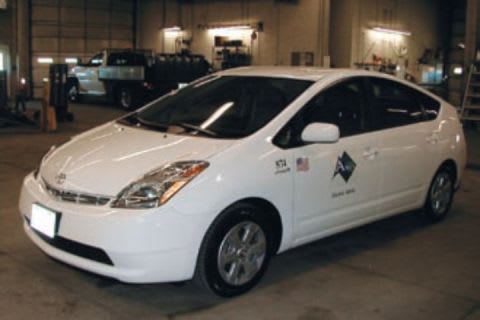
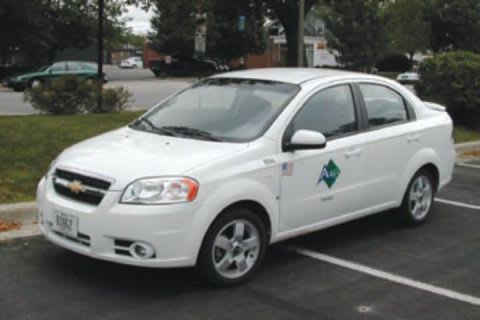
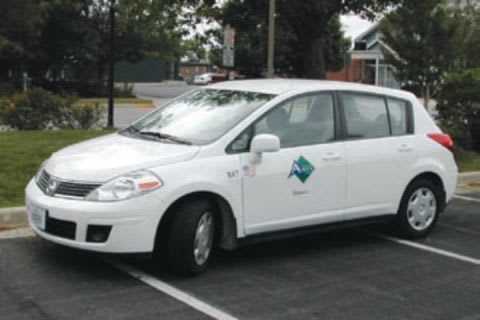
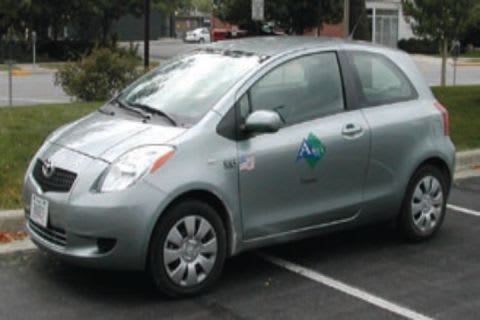
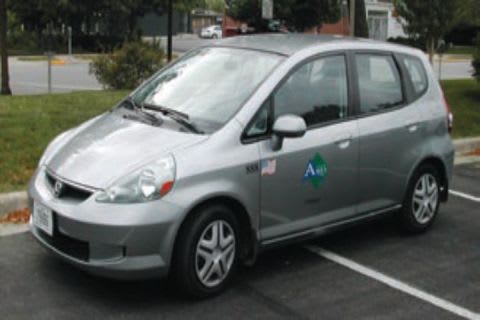
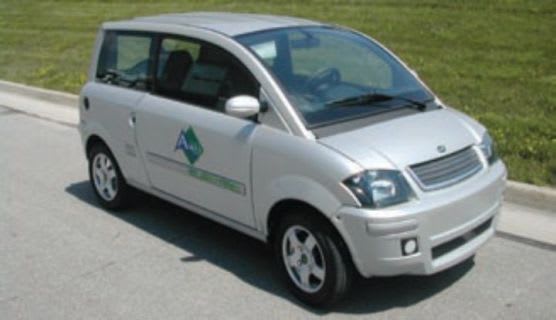
Considering that his department operates only on revenues collected from fee-based services — with no other supporting funds from tax dollars or utility revenues — he knew changes needed to be made. Like many fleets, Hinderaker’s team focused future vehicle purchases on fuel efficiency — investing in hybrids, flex-fuel, and electric vehicles. Hinderaker added to his fleet makes and models such as the Toyota Prius gas/electric hybrid, Ford Focus, Toyota Yaris, Honda Fit, Nissan Versa, Chevy Aveo, Ford Escape Hybrid, and the Zenn all-electric plug-in car, a neighborhood low-speed vehicle.
Rather than investing in one particular make and model, Hinderaker purchased an array of fuel-efficient vehicles, hoping to find the most appropriate cars for the future of his fleet.
"Purchase decisions are made based on the best fuel efficiency rates and price, but we purchased multiple brands for experimentation," Hinderaker said.
[PAGEBREAK]
A Comprehensive Strategy
Buying fuel-efficient vehicles is perhaps a quick-fix solution, but Hinderaker didn’t stop there. Instead, he opted to implement a comprehensive program that focused on making a fuel-efficient and environmentally-friendly fleet. In addition to purchasing the right vehicles, Hinderaker placed a premium on caring for those vehicles to optimize usage. Maintaining vehicles to OEM standards and inflating tires to the proper psi were two simple solutions.
A larger effort included creating a set of operational guidelines. To formulate these guidelines, employees from each department that utilizes fleet vehicles created a strategy that allowed all fleet drivers to contribute to a "greener" fleet. These strategies included implementing an accelerated replacement program when economically feasible, requesting voluntary use of fuel log books for operators to monitor fuel efficiency in their units, establishing an equitable mileage reimbursement rate for use of personal vehicles on city business, and implementing a vehicle sharing program to reduce the number of vehicles required, while maintaining all city service levels.
Under City Manager Steve Schainker’s guideline, no city services should be reduced to implement changes and practices.
"It’s very important that our citizens receive what they expect," Hinderaker said. "We just have to improve the way we provide our services."
Everyone Can Contribute:
Advice for Drivers
Another strategy was to initiate a set of standard operating practices (SOP) for drivers. Hinderaker’s team recommends the following for any fleet driver:
1. Eliminate extra mileage:
• Establish the best assignment route.
• Stock trucks with appropriate tools and needed supplies before leaving.
• Carpool, walk, ride the bus, or bike whenever possible.
2. Create the conditions for fuel efficiency:
• Remove unneeded items from vehicles to reduce weight.
• Perform weekly inspections on tire pres-sure, engine liquids, lights, etc.
• Avoid quick starts and hard braking.
• Use overdrive when possible.
• Eliminate or reduce engine idling.
3. Make environmentally sound choices:
• Use the most fuel-efficient vehicles avail-able to fit the application.
• Only fill gas tanks to the "first click" to reduce spillage and evaporation.
• Avoid prolonged engine warming time.
• Stay within speed limits.
• Avoid revving the engine anytime, especially on cold starts.
• Report problems with city vehicles to a supervisor or to fleet services.
Many fleet managers might ask, "How can you enforce such practices?" Rather than simply creating a list of practices for operators to follow, Hinderaker also provided educational tools that would encourage these practices, including quarterly fuel and use reports, an SOP poster program, and gas mileage calculators. Last year, fuel consumption rose by only 1.5 percent, while fleet utilization increased by 5.4 percent.
Even with such results, Hinderaker still faces challenges. For one, there’s no disputing the higher cost of a hybrid and other fuel-efficient vehicles. Likewise, Hinderaker found that acceptance of driving smaller vehicles (as fuel-efficient cars tend to be) was also an issue. However, with continued education on the goals and strategies of creating a greener fleet, Hinderaker found he could counteract potential roadblocks. When asked how he was able to do so, Hinderaker had this advice: "Empathize with staff on the difficulty in making operational changes and using different fleet vehicles and equipment. Stay on course and provide more assistance to your customers in vehicle and equipment selection and identifying acceptable units."
[PAGEBREAK]
The Trend of Innovation Continues
With a green initiative in full swing, the City of Ames has furthered its efforts at becoming more environmentally sound. The Ames City Council added a new goal to its directives in early 2007 to "commit to making Ames a more environmentally sustainable community" by adopting the "Cool City" pledge and authorizing Mayor Ann Campbell to sign the U.S. Mayors Climate Protection Agreement. This includes conducting a global warming emissions inventory of existing city fleets, buildings, and operations, and creating a plan outlining goals, actions steps, and an implementation timeline.
As part of the U.S. Mayors Climate Protection Agreement, Ames has committed to becoming a "Cool City." This agreement formally includes the City in the efforts and goals to reduce the community’s carbon emissions footprint by implementing practices to reduce energy demands by fleets, buildings, street lights, traffic lights, water and waste water pumps, parks, lights, and swimming pool circulation and filtration pumps, Hinderaker said. While these efforts are limited to City operations, the City Council has the capability of promoting and requesting similar efforts by private, commercial, and industrial constituents.
Considering Ames’ history of innovation, it’s likely this trend will be contagious. "Ames is a highly educated community with Iowa State University as a major partner in the city and has many international leaders in many walks of life. Our citizens place a very high value on living in a progressive community that is making these types of changes and advancements," Hinderaker said.
More Green Fleet
New Propane Autogas Program Offers Fleet Compensation
Qualified commercial fleets can receive $7,500 per eligible propane autogas vehicle and up to $10,000 for new refueling site prep. Learn how the program works and see whether your fleet qualifies.
Read More →
EV Charging Use Is Outpacing Infrastructure Growth
ChargePoint’s 2026 Charging Forward Report points to rising charger use, higher-powered charging, commercial vehicle electrification, and energy-management technology. Here’s what fleets should know.
Read More →
Merchants Fleet Reports 290M EV Miles as Fleets Navigate Changing Electrification Market
From millions in operating savings to hundreds of millions of EV miles, Merchants Fleet’s latest report reveals what’s working and what’s changing in fleet electrification.
Read More →
The EV Breakdown Nobody's Talking About: Why Most Electric Vehicle Roadside Calls Aren't Mechanical Failures
Here's why EV breakdowns are widely misunderstood.
Read More →
ChargePoint Now Available in Energy Pass
ChargePoint and additional planned charging network integrations were added to GM's Energy Pass.
Read More →

First Look: Slate Auto's Electric Fleet Pickup
Could an affordable, modular EV pickup make electrification more practical for fleets?
Read More →
Slate Debuts Colorful, Unique EV Models
A recent media and client event, studded with electric vehicles dressed up on platforms, planted a new position for the manufacturer in the wider EV market. Fleets will find cost-saving advantages.
Read More →
Slate Electric SUV, Pickup Switchable Model Aims For Light-Duty Fleets
Everything about this EV is counterintuitive and understated, making it stand out from the crowd.
Read More →
Inspiration Mobility Acquires Key Electrada Assets
Inspiration Mobility Group has acquired select assets of Electrada, adding the fleet electrification provider's team, technology, and charging infrastructure development capabilities to its energy management business.
Read More →