




Alternative Strategies for Reducing Fuel Consumption
Fleets are exploring new strategies to lower their fuel expenses, such as rightsizing vehicles, increasing driver training, improving fuel card compliance, and partnering with fuel management companies.
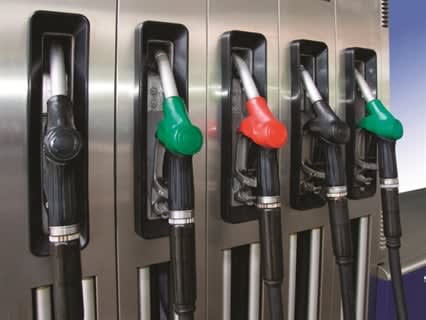
The EIA reported average national retail gasoline prices at $3.88 per gallon and diesel at $4.10 per gallon at the end of April.
Implementing a new fuel management program isn't always a fast process, but with the rising cost of fuel, fleets are looking at various strategies to reduce fuel spend, including rightsizing vehicles, working with drivers, and implementing fuel caps.
Fleets Reduce Fuel Spend
Three years ago, tests at General Parts, an automotive replacement parts, supplies, tools, and equipment distributor, showed that 85 percent of its vehicle cargo loads did not need to be transported in a pickup truck. The fleet team decided to change its truck-buying habits, replacing many pickups with Nissan Versas.
"That's been a tremendous amount of savings for us [in 2010] and well into this year," a company representative said.
The change was initially met with hesitation from long-time employees. Store managers had a hard time overcoming the perception that cars would be able to do the work pickups did. After showing drivers that 19.9 aggregate mpg was standard across the delivery fleet, the 28 mpg on the smaller vehicles was more than enough to convince them.
For LKQ Corporation, a national parts and replacement products provider, close monitoring of fuel costs helps the company ensure no abuse or fraud is taking place, according to Mike Lahr, director of Logistics. Fuel for vehicles is purchased using an assigned fuel card, and a PIN gives drivers access to any truck.
The gallon maximum per day per fill, fill-ups per day, and hours of use of each card can also be limited, Lahr said.
A list of drivers no longer employed with the company is provided daily to ensure their PINs are deactivated and no unauthorized charges are incurred. In addition, drivers must enter the odometer total, which enables mpg to be tracked for discrepancies. Weekend and after-hours fuel use is also tracked.
For many years, Safelite AutoGlass, a national auto glass repair and replacement service provider, has managed an anti-idling campaign called "Turn it off, idling gets you nowhere." It was recently revamped with new "green" signage and goals, as well as enhanced mileage and exception reporting and field training to support Safelite AutoGlass' overall 2011 fuel initiative to reduce consumption by 10 percent, according to Erin Gilchrist, fleet manager.
In efforts to achieve this goal, Gilchrist worked with Safelite AutoGlass' fuel card provider to develop a Web seminar focusing on the key components necessary to maximize overall fuel economy. With the help of its risk management solutions company, new "green" driver training modules and policies have been added to ensure all individuals understand their role in maximizing fuel efficiency. All drivers were required to complete the new modules by April 15. Gilchrist estimated these initiatives will help reduce CO2 emissions by 9,000 metric tons.
Explore Fuel Purchase Agreements
Fleet managers can also curb fuel expenses by working with a fuel management company that can provide a customizable price cap. According to Liat Rorer, vice president of marketing for Pricelock, a fuel price cap is another way for fleet managers to reduce fuel expenses.
Managers should look at "improving the mpgs of the vehicles [and] improving the driving pattern of their driver," before selecting a protection price, Rorer said.
A cap covers a set amount of fuel over a specified time period, both of which are determined by the fuel manager. Managers can use caps to cover the duration of a single project or a whole year.
Rorer warned against using fuel locks, which can cost fleet managers extra money if fuel prices unexpectedly drop.
Whether making major purchases or minor adjustments to offset high fuel expenses, fleet managers must do their research before making any sudden changes. The best fuel management strategy for any fleet will ultimately be the option that best suits a fleet's particular needs.
More Operations

Fleet Has a Talent Pipeline Problem. What Comes Next? | AF News Recap
Where will fleet’s next generation of leaders come from? This week, we’re looking at the industry’s talent pipeline, what certification can add to a fleet career, how to build an award-worthy track record, and the return of Automotive Fleet’s Personal Use Survey.
Read More →
Smith System Launches Driver Risk Management Program
Fleets have more driver data than ever, but identifying risky behavior doesn't necessarily correct it. Smith System's new Driver Risk Management program combines monitoring, training, and follow-up coaching to help fleets connect risk signals with driver intervention.
Read More →
Automotive Fleet Opens 2026 Personal Use Survey for Commercial Fleet Managers
Less than two weeks left! Commercial and corporate fleet managers are invited to share how their organizations handle company vehicle personal-use policies, charges, and driver eligibility.
Read More →
From AI Prompts to AI-Generated Safety Songs | AF News Recap
Can better prompts make AI more useful for fleet managers? This week, we’re breaking down smarter fleet analysis, an AI-assisted experiment that turned safety training into music, and what happened to fuel prices in August.
Read More →
How to Write Better AI Prompts for Fleet Analysis
Include these six elements in your fleet prompts to generate more relevant analysis and accurate answers.
Read More →
Fleet Meets: Eric Kilgore
This edition of the Fleet Meets series features one of the industry's best leaders driving multi-market and national operations.
Read More →
Why Reactive Fleet Management Is Becoming Too Expensive to Sustain
Research highlights a growing need for proactive management strategies to address rising costs in fleet operations effectively.
Read More →
What Your Fleet KPIs Aren’t Telling You
Tracking fleet metrics is only useful when the data leads to better decisions. This guide helps fleet leaders assess cost, utilization, and downtime more accurately, identify performance gaps, and prioritize the actions that can improve operational results.
Read More →
Hidden in Plain Sight: Fleet Compliance Risks
Fleet compliance isn't just about having policies — it's about consistently enforcing them. This practical guide reveals six hidden compliance risks common in public sector and shared fleet operations and outlines proven strategies to improve visibility, accountability, and audit readiness
Read More →
Turning Fleet Payment Data into Executive Insights
Does data alone drive results in operations?
Read More →