




AALA at Midyear
There was some good news, some bad news, and a lot of business that fell somewhere in between at the midyear fall meeting of the American Automotive Leasing Association in Chicago.
There was some good news, some bad news, and a lot of business that fell somewhere in between at the midyear fall meeting of the American Automotive Leasing Association in Chicago. The two-day meeting, which drew a record crowd of about 130 representatives of the auto leasing industry, offered insights into the future of the economy, solutions to problems that have recently arisen in the leasing field, and progress reports on activities the association has undertaken over the past few months.
RECOVERY AHEAD FOR ECONOMY
One of the brighter spots of the meeting was the presentation of speaker Leonard J. Santow, vice president and economist with Aubrey G. Lanston & Co. Characterizing 1970 as the year of recession, he advised that 1971 may well be the year of recovery for the American economy. But he cautioned that this recovery will be a gradual process and will not become apparent until next spring. Discussing the ever-growing threat of inflation, he noted that due to a predicted easing of the tight-money situation by the "Fed," inflation is bound to continue. Yet even here he saw cause for optimism since he calculated it will level off at about a 3 to 4 percent annual rate.
On the subject of the auto market and then anticipated Auto Workers' strike, he was somewhat less sanguine. Noting that the new leadership of the union was out to make a name for itself plus the fact that local grievances could stretch the production halt till early '71, he predicted that the auto market will remain depressed at least info the spring. Nor did he hold out much hope that Detroit's new small cars will spark any unusual buyer interest over the short term. "As for the new intermediate and higher priced cars," he cautioned, "they may have to wait until later in the model year for any sales improvement of note."
BUSINESS SESSION
The business session was opened by president, James W. Dodds. Following this, a report on the coming February convention in San Diego/Acapulco was given by David Brockman. Louis Rosenstein gave a run-down on recent tax and registration data and graciously acknowledged the help given the association by Automotive Fleet which compiled the tax and insurance charts which were distributed to the audience.
Summarizing the activities of the previous day's Board meeting, Louis J. Maher advised that on the basis of recent meetings with CATRALA, it had been decided that a merger of the two associations was not feasible. Accordingly, it had been decided that the two groups would operate on different levels -AALA at the Federal level and CATRALA at the state-to work against adverse legislation and for beneficial laws. In addition, Maher advised that the Board felt there was a need for a paid staff to work on the tax committee.
Ellis Lyon, the association's Washington counsel, discussed a number of adverse bills that were pending in the Congress; the reaction of the Justice Dept. to the recent discontinuance of fleet allowances; recent IRS decisions on the definition of leasing; and recent court decisions that seemed to broaden the concept of a lessor's area of liability.
CAVALLI SPEAKS
The featured speaker of the session was A. J. "Al" Cavalli, fleet administrator of C.I.T. Financial Corp. and president of the National Association of Fleet Administrators (NAFA). Discussing the topic "From the Lessee's Point of View," Cavalli advised that "these hard times may be a blessing in disguise, since they could help trim off a bit of the fat that has accumulated in the economy." Moving deeper into his subject he outlined the responsibility of the dealers, the manufacturers, and the leasing companies to automobile lessees. But he also pointed out some rules the lessees themselves should follow if they hoped to obtain maximum service on their cars.
In closing, Cavalli pursued a different tack and made a plea for greater concern for safety and pollution. With respect anti-pollution campaigns he stated, "I do not believe that we can indiscriminately kill off the internal combustion engine. It is up to us to find a way to work with what we already have."
PANEL ON LOSS OF "BENEFITS"
The afternoon session opened with a panel discussion regarding the recent discontinuance and cut-backs of fleet allowance programs by the auto manufacturers. Leading the session, which repeatedly drew questions from the audience, were Robert Tuttle, James Frank, Ed Field, and John Bennett. Tuttle, pointing out that what was needed by lessors was an overall "rolling forecast" plan and increased operational efficiency, advised the audience to "show some guts" when discussing price increases caused by the loss of fleet allowance programs.
John Bennett in his talk maintained that the loss of allowances would mean more to the daily rental industry than if would to those in leasing. "Some took the allowances as a supplemental source of income," he said. "And those people are going to find themselves in trouble now."
Jim Frank emphasized the need to re-think the process of cycling cars in view of the changed allowance programs. In addition he advised the lessors to find some way to build into their leases some flexibility in scheduling disposal.
Concentrating on the problems of those lessors who hold a preponderance of maintenance leases, Ed Field suggested obtaining equalization of cost with the supplying dealer and putting the exact cost of the car on the purchase order. In addition he stressed the need for a mileage clause in new leases due to existing and proposed odometer laws.
ROUNDTABLE
Following the formal segment of the meeting, the members got down to a shirt-sleeve roundtable discussion to discuss various problems confronting the industry. One of the most pressing of these was brought up by Howard Slotnik of Gotham Leasing. He related that contrary to what he had been advised by other AALA members, his company was experiencing difficulty with the Internal Revenue Service with regard to security deposits. Several members suggested ways of obviating the defining of these deposits by IRS as "income" through various auditing and banking procedures. Others advised that his problem with IRS was evidently a local problem since they were experiencing no such difficulty. But the suggestion was made by Slotnik and others that perhaps the issue should be taken up by the association so that some final ruling could be obtained from IRS on a national basis. This suggestion was noted by Ellis Lyons and others who advised they would investigate the matter further, to ascertain what, if anything, the association's course of action should be.
More Operations

Fleet Has a Talent Pipeline Problem. What Comes Next? | AF News Recap
Where will fleet’s next generation of leaders come from? This week, we’re looking at the industry’s talent pipeline, what certification can add to a fleet career, how to build an award-worthy track record, and the return of Automotive Fleet’s Personal Use Survey.
Read More →
Smith System Launches Driver Risk Management Program
Fleets have more driver data than ever, but identifying risky behavior doesn't necessarily correct it. Smith System's new Driver Risk Management program combines monitoring, training, and follow-up coaching to help fleets connect risk signals with driver intervention.
Read More →
Automotive Fleet Opens 2026 Personal Use Survey for Commercial Fleet Managers
Less than two weeks left! Commercial and corporate fleet managers are invited to share how their organizations handle company vehicle personal-use policies, charges, and driver eligibility.
Read More →
From AI Prompts to AI-Generated Safety Songs | AF News Recap
Can better prompts make AI more useful for fleet managers? This week, we’re breaking down smarter fleet analysis, an AI-assisted experiment that turned safety training into music, and what happened to fuel prices in August.
Read More →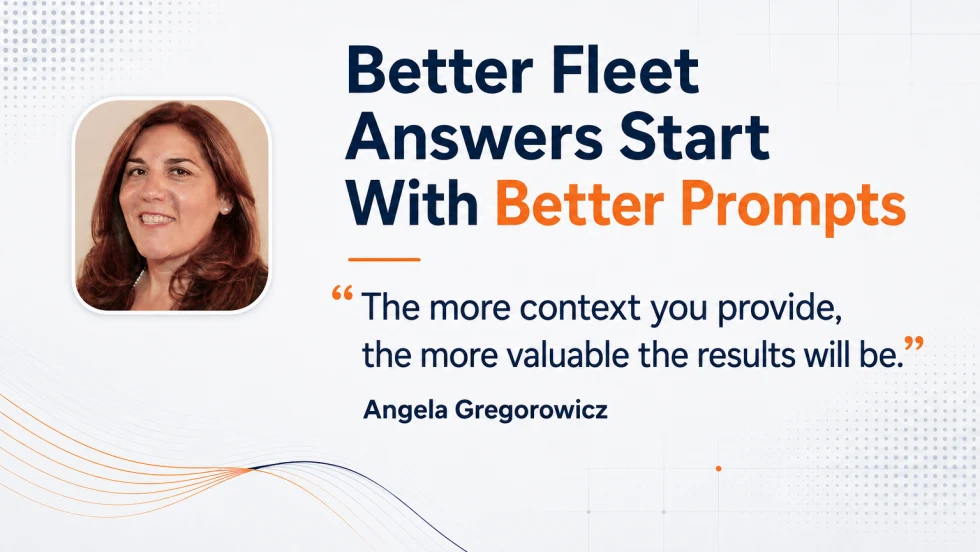
How to Write Better AI Prompts for Fleet Analysis
Include these six elements in your fleet prompts to generate more relevant analysis and accurate answers.
Read More →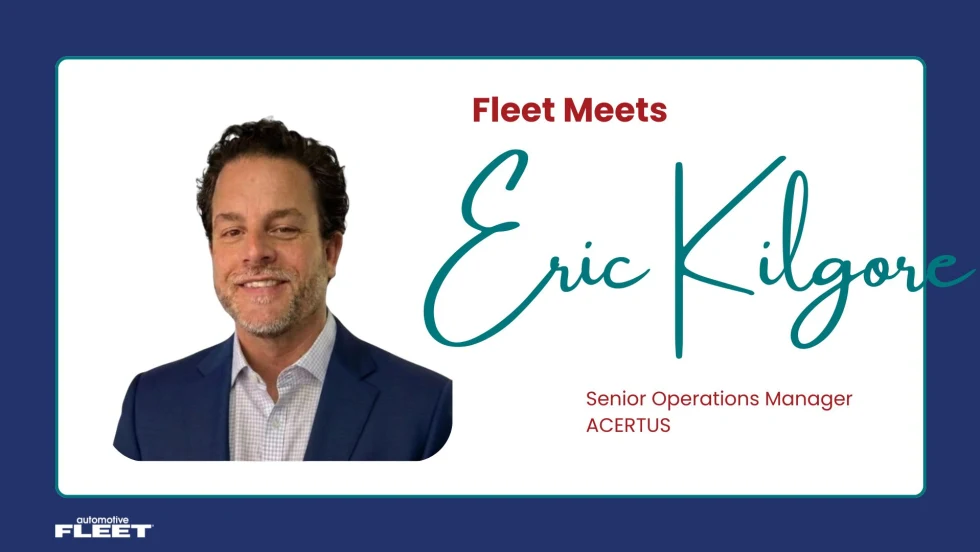
Fleet Meets: Eric Kilgore
This edition of the Fleet Meets series features one of the industry's best leaders driving multi-market and national operations.
Read More →
Why Reactive Fleet Management Is Becoming Too Expensive to Sustain
Research highlights a growing need for proactive management strategies to address rising costs in fleet operations effectively.
Read More →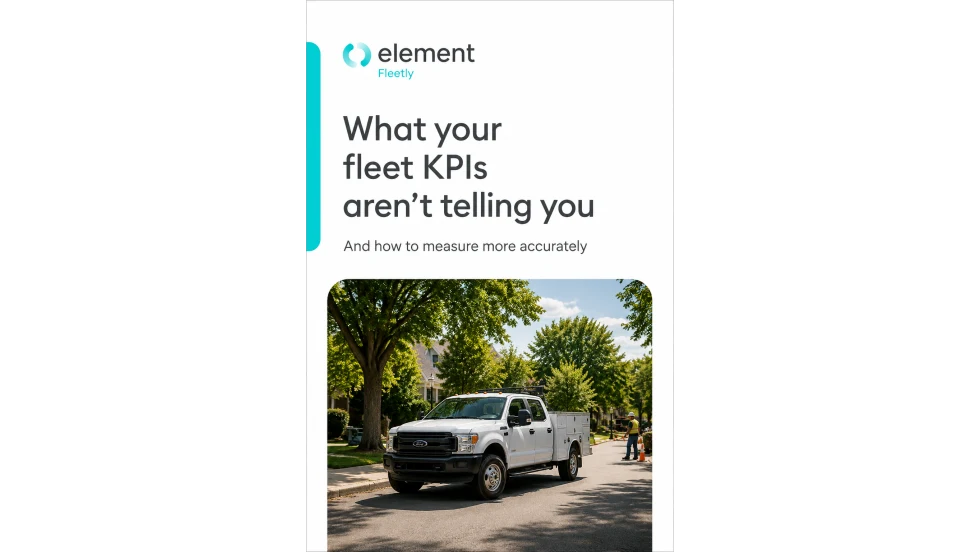
What Your Fleet KPIs Aren’t Telling You
Tracking fleet metrics is only useful when the data leads to better decisions. This guide helps fleet leaders assess cost, utilization, and downtime more accurately, identify performance gaps, and prioritize the actions that can improve operational results.
Read More →
Hidden in Plain Sight: Fleet Compliance Risks
Fleet compliance isn't just about having policies — it's about consistently enforcing them. This practical guide reveals six hidden compliance risks common in public sector and shared fleet operations and outlines proven strategies to improve visibility, accountability, and audit readiness
Read More →
Turning Fleet Payment Data into Executive Insights
Does data alone drive results in operations?
Read More →