





Learn more: Reassessing Fleet Electrification After a Disruptive Year
6 Factors Affecting EV Fleet Adoption by State
This new research, compiled by Inspiration Mobility in conjunction with Automotive Fleet, shows the potential for EV growth by state. The research accounts for regulations, incentives, temperature impacts on range, fuel cost savings, and charging infrastructure availability.
October 10, 2024
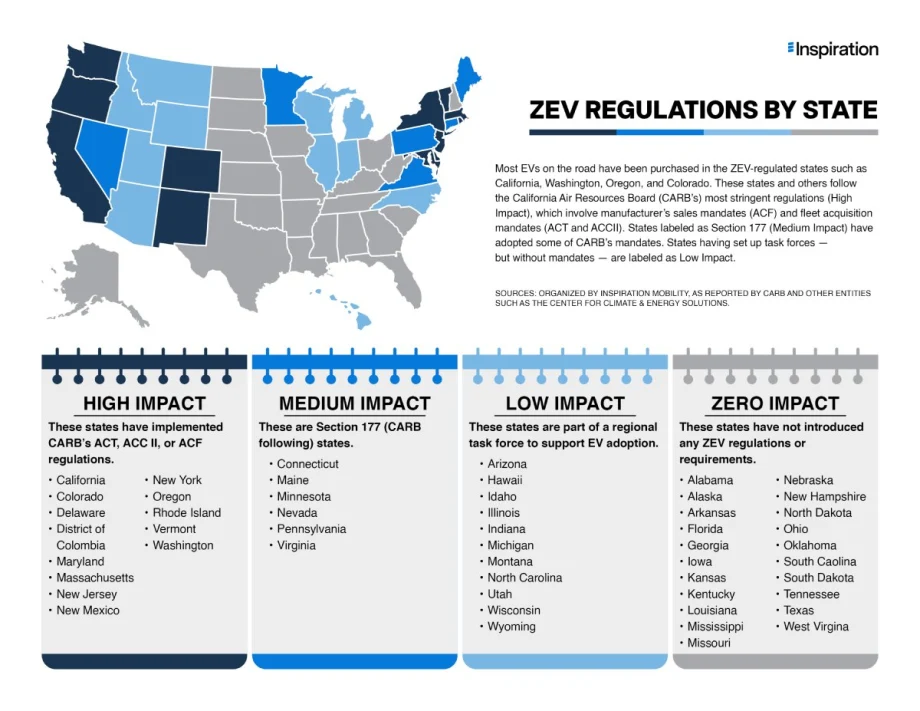
The regulatory environment is the biggest driver of EV adoption by state, particularly for commercial vehicles.
Source: Inspiration Mobility, CARB, other entities
2 min to read
In theory, electric vehicle adoption should start with an organization’s goal to reduce its carbon emissions. Yet many exterior factors propel or hinder these goals.
In conjunction with Automotive Fleet, Inspiration Mobility compiled and analyzed data for six such factors affecting EV adoption by state: regulations, registrations, climate impacts on range, fuel cost savings, incentives, and public charging availability and growth.
Taken in aggregate, these factors reveal growth patterns and rates of EV adoption.
Zero Emissions Regulations
Most EVs on the road have been purchased in the ZEV-regulated states such as California, Washington, Oregon, and Colorado.
These states and others follow the California Air Resources Board (CARB’s) most stringent regulations (High Impact), which involve manufacturer’s sales mandates (ACF) and fleet acquisition mandates (ACT and ACCII).
States labeled Section 177 (Medium Impact) have adopted some of CARB’s mandates. States having set up task forces — but without mandates — are labeled as Low Impact.
EV Registrations Per-Capita
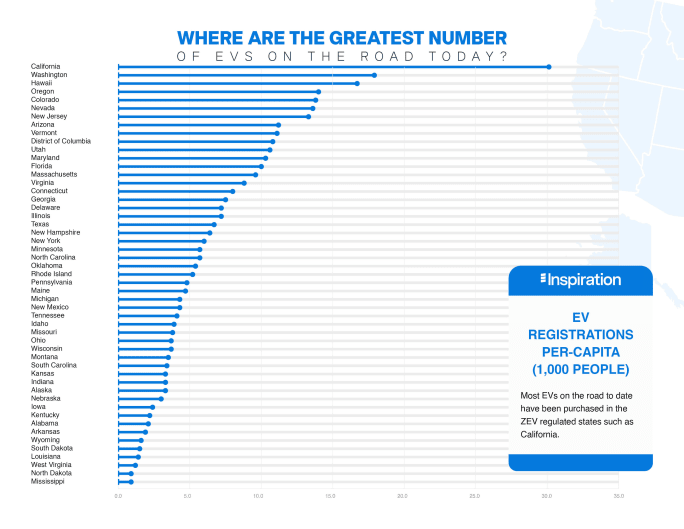
Beyond California’s obvious lead in EV registrations per capita, states such as Hawaii and Arizona, which don’t rank high in any of the propelling factors for adoption — are nonetheless in the Top 10 of EV registrations.
Source: Inspiration Mobility, U.S. Census, AFDC
Incentives & Rebates
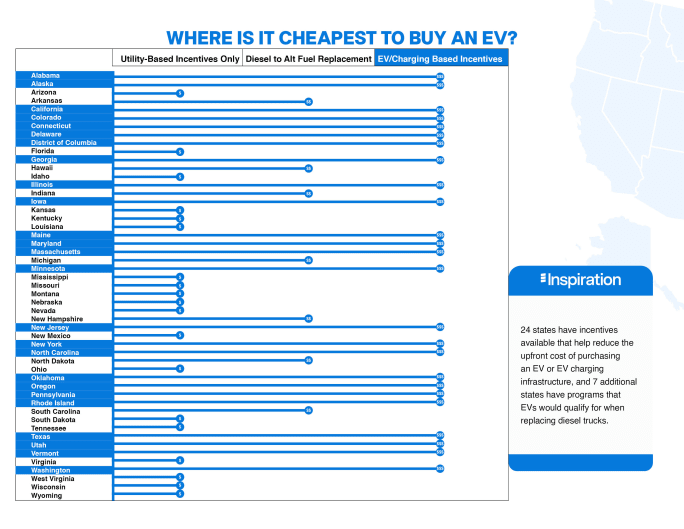
Incentives are available in 24 states to help reduce the upfront cost of purchasing an EV or EV charging infrastructure, and seven additional states have programs that EVs would qualify for when replacing diesel trucks.
California is the only state offering all four sets of incentives. While every state offers at least one incentive type, only two states — Connecticut and Texas — offer incentives for three.
Source: Inspiration Mobility, AFDC
Climate Impacts to Range
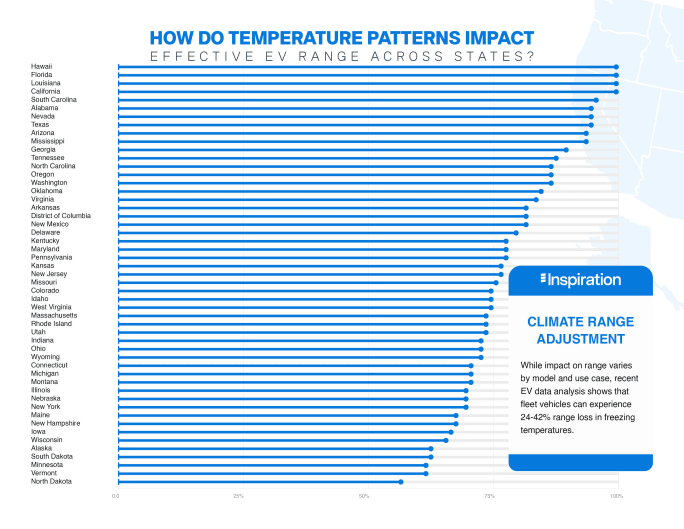
This chart characterizes how temperature patterns impact effective EV range across states, with states given a climate range adjustment based on their average temperatures.
While impact on range varies by model and use case, EV data analysis shows that fleet vehicles can experience 24% to 42% range loss in freezing temperatures.
Source: Inspiration Mobility, Geotab, 2021 data; Ref Recurrent, 2024 data
EV Fuel Savings Per Mile Vs. Gas
In this calculation, the highest-ranked states aren’t necessarily the ones with the lowest electricity costs but the ones in which the gulf between gas prices and electricity prices is the greatest.
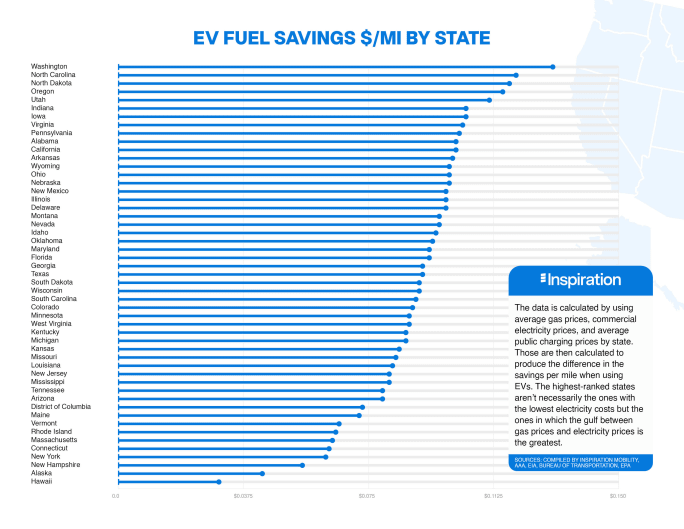
Source: Inspiration Mobility, AAA, EIA, Bureau of Transportation, EPA
Public Fast Charger Availability by State
While California leads the country with DCFC availability, four Midwest and Mountain West states are among those with the highest number of charging ports per person.
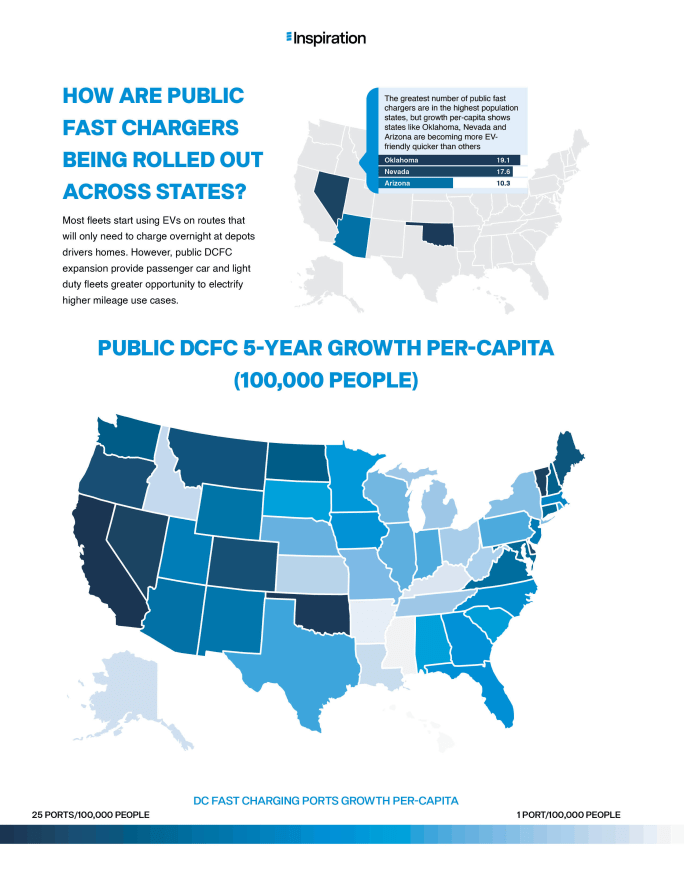
Source: Inspiration Mobility, AFDC, U.S. Census
Subscribe to Our Newsletter
More Fleet Forward

Chad Edmondson Named 2026 Fleet Safety Award Winner
The VSC Fire & Security fleet director oversees more than 1,100 assets nationwide. His approach to improving driver safety emphasizes collaboration, employee engagement, and building trust with the people behind the wheel.
Read More →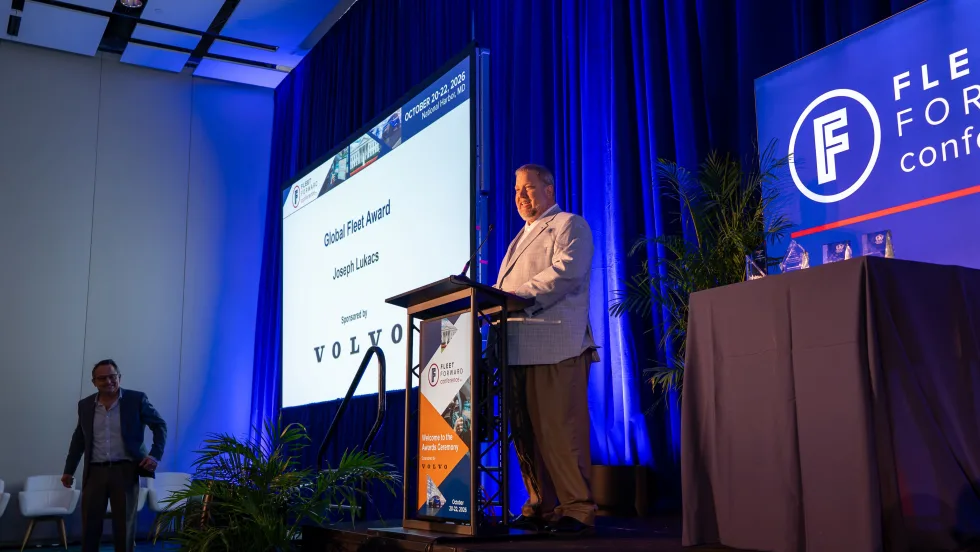
Joseph Lukacs Wins 2026 Global Fleet Manager of the Year
The Sherwin-Williams fleet leader adds another industry honor to his career after being named the 2025 Edward J. Bobit Professional Fleet Manager of the Year.
Read More →
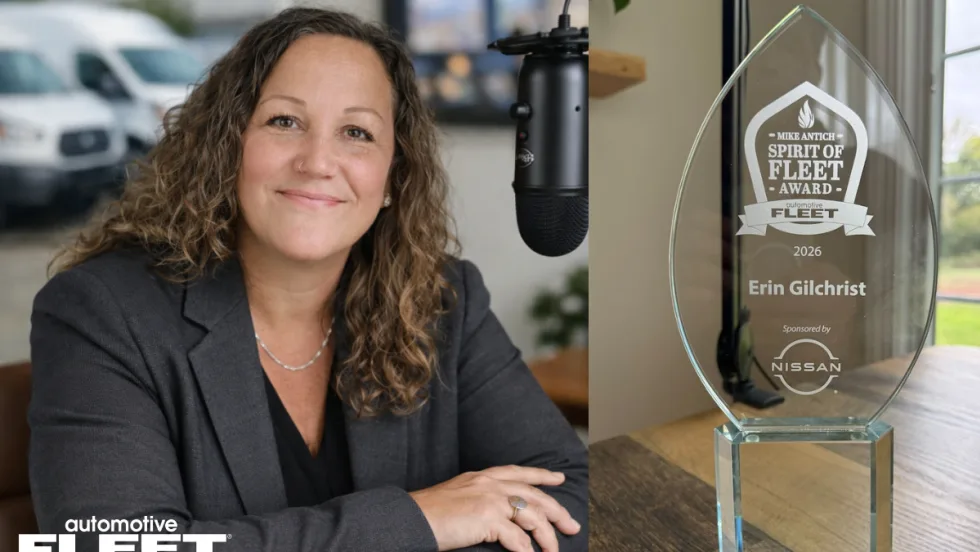
Erin Gilchrist Receives Mike Antich Spirit of Fleet Award
Last week at AFLA in Vegas, Erin Gilchrist received the inaugural, brand-new Spirit of Fleet Award.
Read More →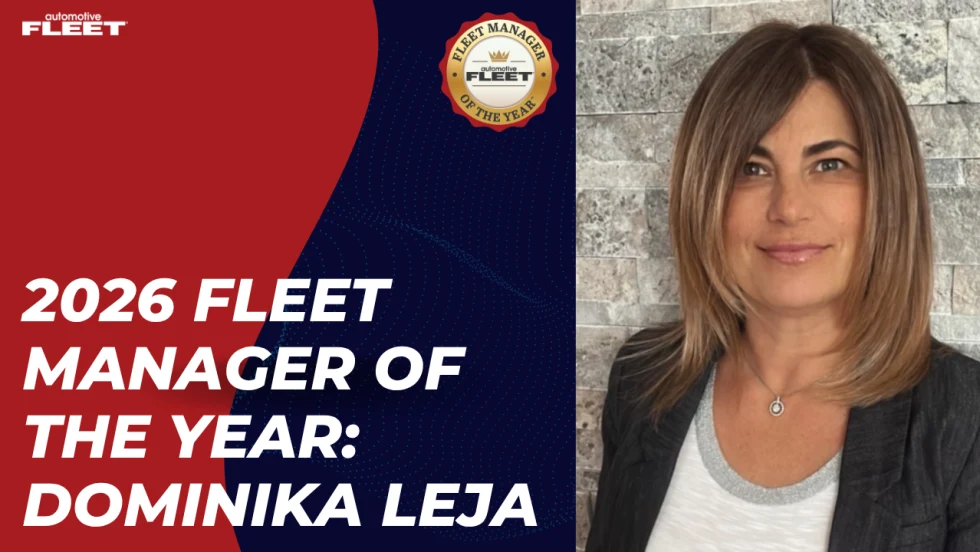
Dominika Leja Named the 2026 Fleet Manager of the Year
The AstraZeneca associate director of fleet was recognized for her leadership in fleet electrification, cost savings, and operational transformation.
Read More →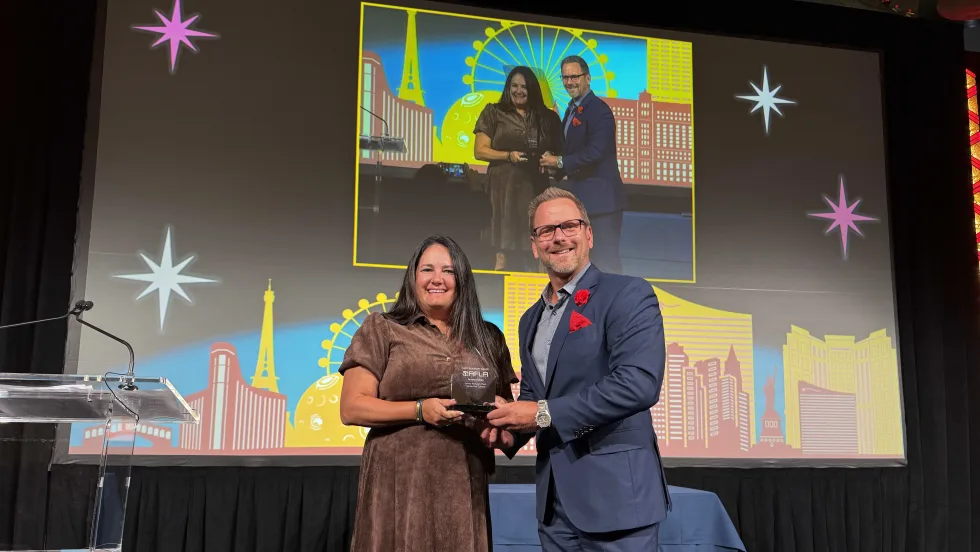
Jamie McKay Named the 2026 Fleet Visionary Award Winner
The Aptive Pest Control fleet manager was recognized for her approach to operations, data, lifecycle management, and driver needs.
Read More →
Fleet Forward Conference Introduces One-Day Passes for 2026
New one-day registration gives fleet professionals the flexibility to attend Tuesday, Wednesday, or Thursday, with passes available for $199 through Sept. 18.
Read More →
Vibe Coding: When Fleet Managers Become Software Builders
Five fleet professionals — none with programming skills — discuss how they’re using AI to build fleet solutions in-house and in a fraction of the time.
Read More →
Fleet Forward Conference Tackles Fleet Industry’s Growing Leadership Gap
This session will examine succession planning, knowledge transfer, and the skills the next generation of fleet leaders will need as veteran professionals leave the industry.
Read More →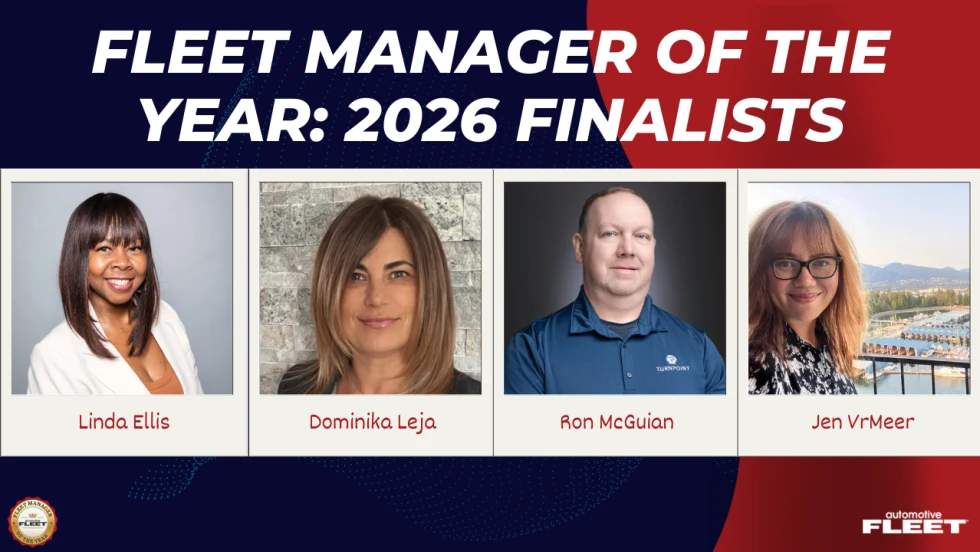
2026 Fleet Manager of the Year Finalists Announced
Who are the 2026 Fleet Manager of the Year finalists?
Read More →