




5 Ways to MoveFleet Management to the Driver Level
Giving drivers more responsibility and control over monitored, non-critical fleet management tasks allows managers to ‘work smarter, not harder.’
Reducing costs by moving most fleet management functions to the driver level is a way many companies are starting to go. However, some companies have not considered the consequences of not having a good game plan in place at the outset of such an operational shift. For example, cutting programs, such as safety, should never be primarily the driver’s responsibility. The following are five ways or steps to move more of the fleet manager’s role to drivers without sacrificing control or safety.
1. Service to the Driver
However you choose to implement new procedures to move more responsibility for fleet management to the driver, it must appear as seamless as possible. The level of service and standards must stay at least the same, if not improve. This has to be a win-win situation for both management and driver.
Communication throughout the organization is critical from the outset. When rolling out any new plan to drivers, it is necessary to spell out in the simplest of terms how this system gives them more flexibility and control over their vehicle.
2. Online Ordering
Online ordering offers increased speed and reduced administrative expenses, eliminating time from phone calls, mail, and faxes. Setting up selectors for drivers with all the necessary specifications on vehicle choices and equipment options is a great way to push this time-consuming burden to the driver. The driver feels more in control in ordering a new vehicle.
Once the vehicle choice parameters have been set, the driver can submit the required information and complete the order. Within company-approved options, drivers can select colors, certain driver-paid options, delivery address, specified dealer, etc. Once submitted, the order will go into an online ‘queue’ for your review and approval with a simple keystroke. Exceptions are minimized, and this sure beats having to input - or even manually write - the order.
Drivers can then track their order at any time without having to contact you weekly, so you can maximize your time.
3. Accident Management
Shifting to a “paperless” accident management system can save many headaches. Many companies now choose a service provider that offers a seamless and easy accident management service. Once an initial call is placed detailing the accident with all the necessary information, the service provider takes over with guidelines you have given them.
Some of these guidelines include insurance information, preferred vendors, accounting details, and salvage and subrogation information. Fleet managers can monitor this activity online, and the driver can also view the status of the claim and repair.
The service provider can audit claims to speed up the process, and the reporting capabilities of the entire system are comprehensive. All this information is available with point-and-click accessibility so you can provide management with all the information they need.
4. Fleet Maintenance
Pushing vehicle maintenance to the driver can be just as easy as accident management. Nearly all fleet lessors today offer a maintenance program that allows the fleet manager to review fleet maintenance instead of fielding phone calls from the drivers.
Discuss the best maintenance practices and schedules with your lessor. Then, any time a driver needs maintenance, one call to the lessor’s maintenance department takes care of the request. They can direct your driver to the closest repair shop capable of meeting their maintenance needs. The lessor can also make sure that unnecessary maintenance is not performed. Setting dollar thresholds on repairs is a way to minimize calls to you.
Lessors provide each vehicle/driver with an individual ID card to show repair shop staff. Billing is done through the lessor, then forwarded to the fleet manager after a complete audit conducted by the lessor. The driver does not fill out expense reports, and the maintenance history is stored in a database for easy access.
Continuing Education
At first glance, continuing education sounds like going back to school to maintain your driver’s license. In effect, it is just about the same thing: keeping a license to drive for your company. Many companies are moving to continuing driver safety training in an effort to minimize insurance premium rates and legal expenses.
Developing and implementing a program with your lessor or fleet safety company is easy and provides ongoing safety program/driver training with minimal input by the fleet manager. Annual driving tests/reviews for all employees and additional testing for drivers with a higher risk history can easily be performed.
In these times of cost reductions, downsizing, mergers, etc., it is prudent to stay in focus on fleet trends across the country. Moving the majority of fleet manager functions to the drivers can be done successfully only with complete communication and participation of all relevant departments. While it is never recommended to outsourcing key fleet functions such as budgeting or policies, it makes sense in today’s economy to pass on to the driver certain fleet functions while not relinquishing the required functions to monitor drivers. Remember, it’s important to convince drivers that they have more control when they are actually doing more of your job so you have more time to “work smarter, not harder.”
David Fern has more than 15 years of fleet management experience. He currently works as a fleet consultant and can be reached at dfern1957@msn.com.
More Operations
How to Manage Conflict for Your Fleet Operations
Conflict management is becoming a core leadership skill. Here are five strategies fleet leaders should know.
Read More →
Turning Connected Vehicle Data Into Decisions That Matter
Fleet leaders have more data than ever, but turning that data into clear, actionable decisions remains a challenge. This white paper shows how leading organizations are using connected vehicle data to improve safety, reduce costs, and optimize fleet performance. Learn how to turn insight into action across your fleet.
Read More →
Cameras, Safety and Insurance: From Reactive Claims to Real-time Prevention
Commercial auto remains one of the most challenging and costly lines of coverage for fleet operators and insurers alike. Learn more about how to effectively address these issues from Onur Aksan, Enterprise Business Development Executive, Geotab.
Read More →

Are You Tracking Your Fleet's True Total Cost of Ownership?
Bobit Business Media surveyed 190 fleet professionals and found that while most fleets are tracking costs, fragmented systems and data gaps are keeping true TCO visibility out of reach. With rising pressure to control spend in an increasingly volatile environment, the gap between what fleets think they know and what the data actually shows is wider than you might expect. See how your peers are managing costs today and where the industry still has room to improve.
Read More →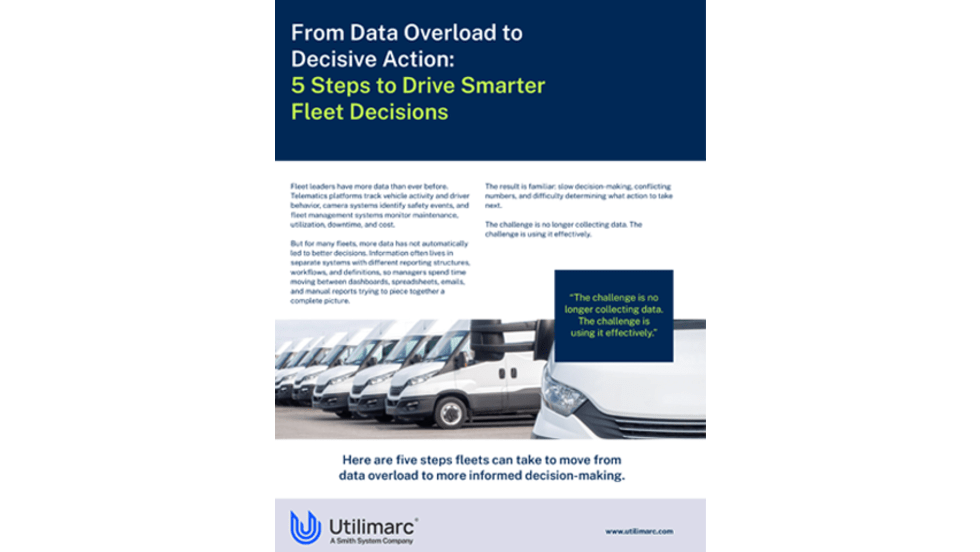
Turn Fleet Data Into Smarter Decisions
Fleet leaders have access to more operational data than ever, but disconnected systems and unclear metrics often slow decision-making instead of improving it. This article outlines five practical steps fleets can take to transform fragmented data into actionable insights that improve planning, safety, utilization, and long-term performance.
Read More →
Hybrids: Electrification Without the Challenges
For fleet managers, fuel is one of the biggest line items in the budget — and it's one hybrids can shrink without changing how your people work. Download the eBook to see the numbers, understand the technology, and get a step-by-step guide to making the switch.
Read More →
How NOV Uses Telematics to Improve Fleet Safety Across 160 Locations
James Victory of NOV discusses how the company manages fleet safety, maintenance, and telematics across more than 150 locations supporting oilfield operations throughout the U.S.
Read More →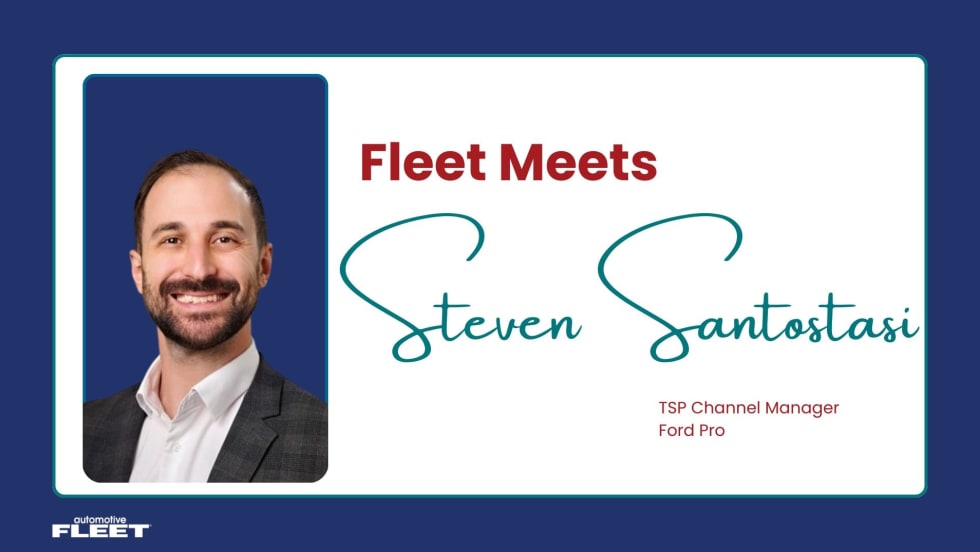
Fleet Meets: Steven Santostasi
This edition of the Fleet Meets series features Steven Santostasi, the current TSP channel manager for Ford Pro.
Read More →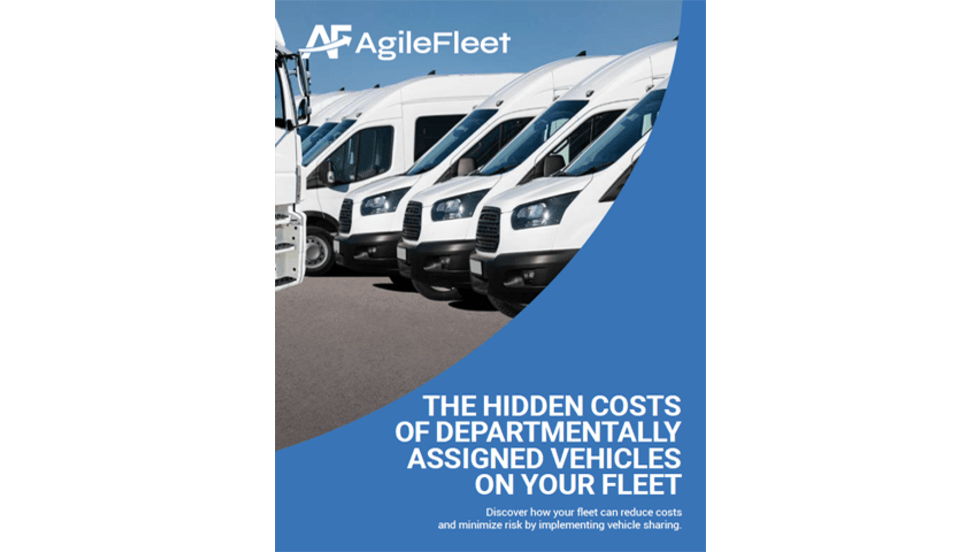
Why Fleet Managers Are Replacing Departmental Vehicles with Shared Motor Pools
Departmentally assigned vehicles often create hidden costs through underutilization, poor visibility, and increased administrative burden. This white paper explores how shared motor pool strategies help fleets reduce costs, improve accountability, and optimize vehicle utilization.
Read More →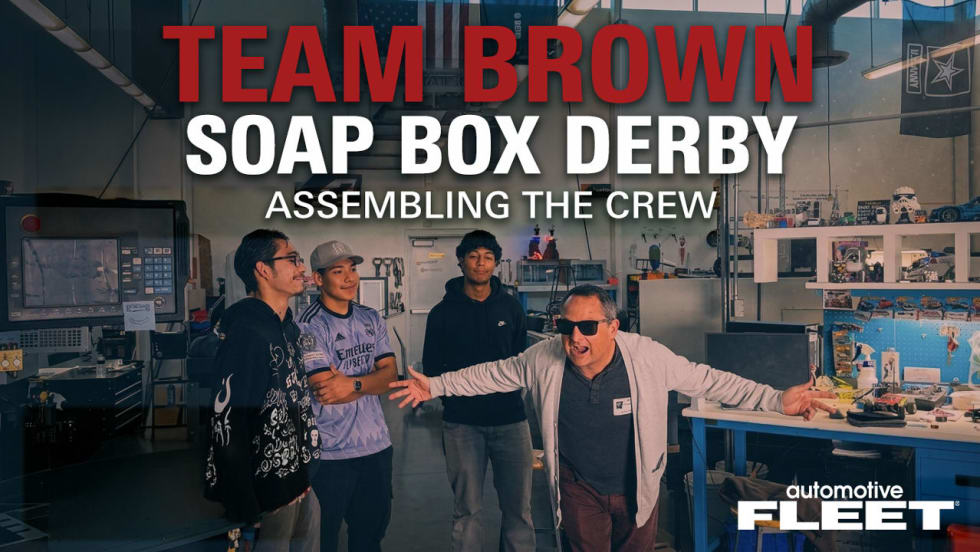
Soap Box Derby Challenge: Assembling the Crew
Meet Gabriel, Matthew, and Angel — the team helping bring this soap box derby build to life.
Read More →