




5 Nominees Compete for 2009 Fleet Executive of the Year
An exceptional field of fleet executives vies for the 2009 Fleet Executive of the Year Award. This year’s award will be presented April 26 at the NAFA Institute & Expo in New Orleans.
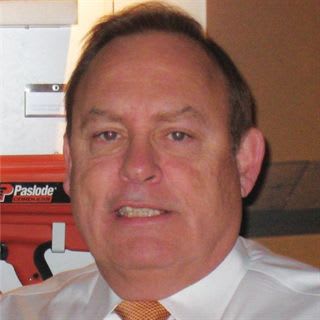
Gary Anton
Company: Illinois Tool Works Inc. (ITW)
Title: Vice President, Strategic Sourcing
Total Vehicles: 10,800 (3,800 U.S.; 7,000 global)
Staff Supervised: 25
Years in Fleet: 9
Replacement Policy: 3 years/70,000 miles
Anton is responsible for negotiating and maintaining optimal relationship agreements with ITW fleet management providers. He oversees a U.S. fleet of more than 3,800 vehicles as well as a global fleet of more than 7,000 vehicles.
ITW has standardized fleet management controls across its global fleet operations. Over the past year, Anton worked with the ITW fleet team and fleet management provider to reduce operational costs. They identified areas of opportunity by negotiating and implementing manufacturer and vendor programs that offer incentives, maintenance and fuel rebates, and a comprehensive accident management program. These programs have allowed ITW to realize a savings of more than $4 million, including $1.25 million in operating cost savings and $500,000 in accident management program savings.
Changes in vehicle selectors were also implemented. Vehicle choices permit ITW to reduce fuel costs and carbon reduction to better support fleet's green initiatives. Selector changes are projected to reduce costs by nearly $250,000. Over a three-year cycle, ITW estimates it will save more than $1.2 million in fuel costs and reduce its carbon footprint by more than 12 million pounds.
[PAGEBREAK]
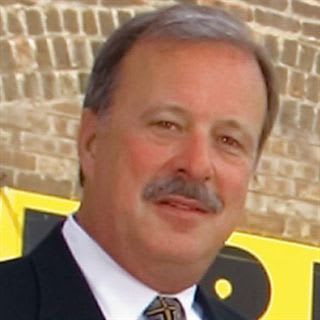
Mark Hardwick
Company: P&H Mining, a division of Joy Global
Title: SVP & Managing Director, N.A.
Total Vehicles: 750 (North America)
Staff Supervised: 2 (fleet)
Years in Fleet: 9
Replacement Policy: Varies with vehicle type — light trucks, 140,000 miles; SUVs, 120,000 miles; and sedans, 85,000 miles
Hardwick directed the establishment and implementation of a much-needed, well-defined fleet policy and procedure manual with key performance indicators. He also put in place a strong fleet manager to oversee and manage critical aspects of fleet management.
His accomplishments include saving approximately $13 million in fleet costs since 2000, while increasing vehicle counts, right-sizing fleet vehicles, deploying a telematics program, instituting a green fleet initiative, and maximizing alliance relationships with PHH Arval and Ford.
The fleet has also realized 40- to 45-percent recovery over capital costs for pickup trucks and more than 30 percent for sedans under Hardwick's leadership. Vehicle depreciation was also reduced — even after moving to vehicles that, in some cases, were more expensive.
One best practice instituted by the company is streamlining data collection. A partnership with PHH Arval resulted in the company's use of PHH's InterActive dashboard in 2005. According to Hardwick, the dashboard has had a significant positive impact on how key fleet information is distributed and used to better understand and manage expenses.
[PAGEBREAK]

Satish Natarajan
Company: Aramark Uniform and Career Apparel (AUCA)
Title: Senior Director of Fleet Operations
Total Vehicles: 6,000
Staff Supervised: 110
Years in Fleet: 4 years
Replacement Policy: Cars, 4 years/120,000 miles; trucks, 12 years/275,000 miles
Natarajan is responsible for the management of a 6,000-vehicle fleet that supports business operations at nearly 250 locations across North America. Additionally, he supervises a staff of 110 fleet managers, analysts, and technicians that oversees the procurement, maintenance, disposal, project management, and compliance of AUCA's fleet. The fleet provides distribution to more than 200,000 customer uniform rental and leasing service accounts nationwide.
Natajaran and his team have implemented standardized shop diagnostic tools in all AUCA shops across the U.S.; centralized the truck procurement process; designed a Web-based asset management tool; employed a maintenance management tool that tracks work orders, parts inventory, and vehicle maintenance; moved to a single, nationwide vendor to keep processes more fluid; developed a green fleet strategy that includes a pilot program for CNG vehicles and hybrid trucks; set continuous benchmarking standards; and incorporated ongoing learning and training development tools for fleet managers.
[PAGEBREAK]

Todd Nicholson
Company: Burlington Northern Santa Fe (BNSF) Railway Co.
Title: Director of Strategic Sourcing & Supply
Total Vehicles: 7,800
Staff Supervised: 6
Years in Fleet: 17
Replacement Policy: Varies based on vehicle type
A 17-year veteran of BNSF Railway, Nicholson is responsible for more than 7,800 vehicles that travel more than 180 million miles a year and a budget of more than $190 million.
One of his major accomplishments includes the planning and implementation of strategic initiatives that have saved BNSF millions. His planning process provides the synergies needed to make cost reduction recommendations. Nicholson saved BNSF an estimated $4 million on strategic initiatives implemented in 2008 alone.
One example of cost savings Nicholson implemented is a revised hy-rail replacement guide for wheel specifications that will ensure greater wheel longevity. He estimates the guide will help BNSF trim $500,000 in costs over the next three years.
He has also implemented a program to ensure hy-rail-equipped vehicles are deployed only in situations in which on-rail travel is absolutely necessary. The program's estimated savings will amount to more than $500,000 in 2009.
In addition to hard-dollar savings, Nicholson has also streamlined many fleet processes, including an automated vehicle request and ordering process, fraud control reporting, vehicle operator training, and accident management programs.
Nicholson has demonstrated his ability to not only look for creative ideas, but implement them effectively. He has been instrumental in moving the BNSF fleet to best in class.
[PAGEBREAK]
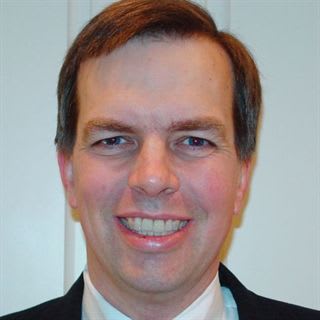
Tom Vining
Company: Otis Elevator
Title: VP, Field Operations
Total Vehicles: 4,000
Staff Supervised: 1
Years in Fleet: 4
Replacement Policy: 5 years/100,000 miles
Vining instituted a vehicle downsizing and reallocation program that better matched Otis' field mechanics to fleet vehicles and created a cost savings of more than $1.2 million in the first year. He also formed a fleet committee, consisting of Otis' fleet manager and regional field operations managers. The team's task is to evaluate the current fleet, needs of field mechanics who use the vehicles, and the type of vehicles employed.
Matrices were developed that tied jobs in the field to vehicles drivers should use, launching a concentrated vehicle reallocation program across the U.S. and Canada, as fleet vehicles were moved and reassigned to drivers according to the matrix matches.
At the conclusion of the reallocation program, vehicle replacement started. Due to reallocation, 35 percent of all vehicles replaced were smaller, downsized vehicles, creating savings of about $1.2 million the first year, with an additional expected savings of about $200,000 each year in operational costs. This move will also reduce greenhouse gas emissions to comply with United Technologies Corporation's mandate to cut the company's CO2 footprint by 12 percent and decrease gasoline consumption.
More Operations
Turn Fleet Data Into Smarter Decisions
Fleet leaders have access to more operational data than ever, but disconnected systems and unclear metrics often slow decision-making instead of improving it. This article outlines five practical steps fleets can take to transform fragmented data into actionable insights that improve planning, safety, utilization, and long-term performance.
Read More →
Hybrids: Electrification Without the Challenges
For fleet managers, fuel is one of the biggest line items in the budget — and it's one hybrids can shrink without changing how your people work. Download the eBook to see the numbers, understand the technology, and get a step-by-step guide to making the switch.
Read More →
How NOV Uses Telematics to Improve Fleet Safety Across 160 Locations
James Victory of NOV discusses how the company manages fleet safety, maintenance, and telematics across more than 150 locations supporting oilfield operations throughout the U.S.
Read More →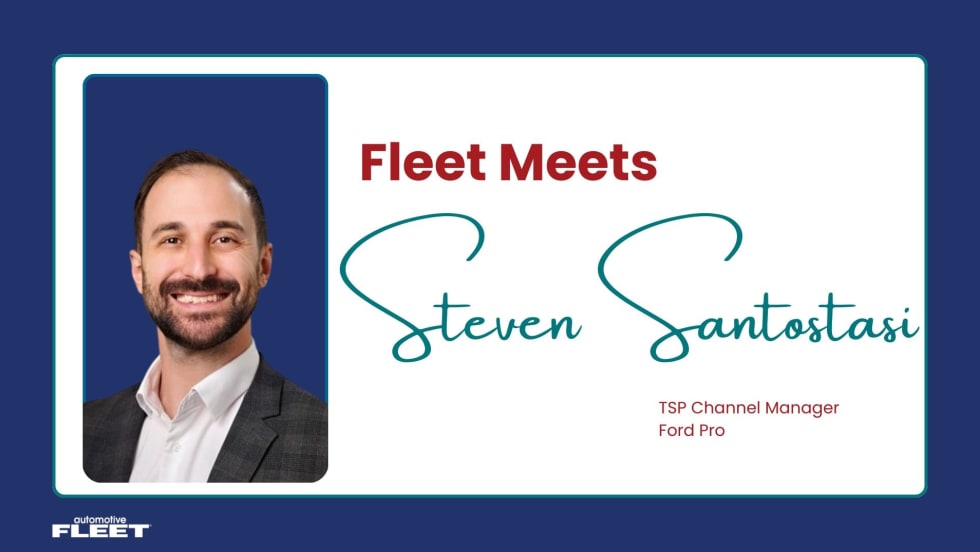
Fleet Meets: Steven Santostasi
This edition of the Fleet Meets series features Steven Santostasi, the current TSP channel manager for Ford Pro.
Read More →
Why Fleet Managers Are Replacing Departmental Vehicles with Shared Motor Pools
Departmentally assigned vehicles often create hidden costs through underutilization, poor visibility, and increased administrative burden. This white paper explores how shared motor pool strategies help fleets reduce costs, improve accountability, and optimize vehicle utilization.
Read More →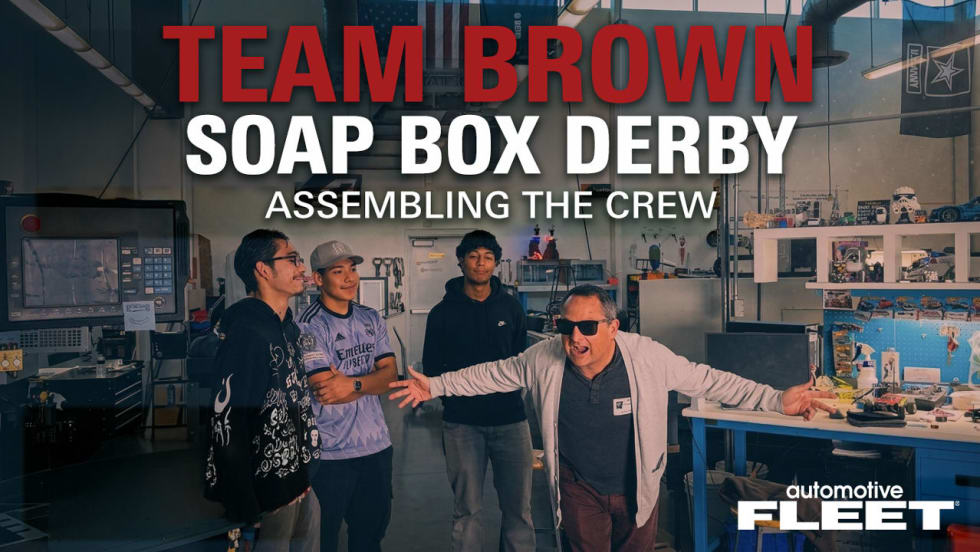
Soap Box Derby Challenge: Assembling the Crew
Meet Gabriel, Matthew, and Angel — the team helping bring this soap box derby build to life.
Read More →
BBL Fleet Acquires Velcor Leasing Corporation
BBL Fleet expanded its footprint in the fleet management industry with the acquisition of Velcor Leasing Corporation of Madison through a stock purchase agreement finalized Feb. 27, 2026.
Read More →
Lytx Introduces New AI Fleet Technologies at Protect 2026
The company introduced new AI-driven fleet safety and operations technologies during its annual user conference.
Read More →
Fleet Costs Are Rising: Here’s How Leaders Are Responding
Fleet leaders are under pressure to reduce costs, adapt to economic uncertainty, and make smarter decisions. See how peers across North America are responding with real data, proven strategies, and forward-looking insights. Download the 2026 Market Pulse Report to benchmark your strategy and uncover where you can gain an edge.
Read More →
From Waffle House to AI: Fleet Trends You Need to Know
In this AF news recap, host Faith Howell covers how Waffle House stepped up during disaster response and new AI tech on the market.
Read More →