




3G to 5G: 8 Steps to Manage the Road Ahead
While the 3G sunset isn’t imminent, existing infrastructure isn’t guaranteed to last until the sunset date. Fleets using ELDs are particularly vulnerable if they don’t get ahead of this technological leap now.

Most 3G networks will be offline next year, and fleets that don’t upgrade could find themselves in the dark.
Photo: Troy Squillaci from Pexels
Wireless network technology is continuing to evolve, and members of the transportation industry who have come to rely on 3G networks for telematics in their connected vehicles have to consider how they’re going to keep up, lest they get left behind.
Driven by ever-growing demands for more and faster data, major network providers are working ceaselessly on their respective rollouts of the fifth generation of mobile network capabilities, known as 5G, promising greatly reduced latency along with incredible speed and the ability to transmit large amounts of data in much reduced time.
At the same time, the 3G networks are being phased out, with most networks set to go offline next year. Current 3G hardware is incompatible with the newer networks, and fleets that don’t upgrade in time will find themselves in the dark before long.
3G’s Clock is Ticking
Fortunately for fleet owners, there is still time to make the transition. Of the biggest providers, only AT&T is currently set to sunset 3G early next year – in February – with both Sprint and Verizon planning their shutdowns for December 2022.
Those dates come with a caveat, however: depending on the region, existing 3G infrastructure isn’t guaranteed to last until the sunset date, as regular maintenance may be dropped in favor of implementing hotly demanded 4G and 5G infrastructure instead.
Faced with uncertainty, fleet owners would be wise to get ahead of this technological leap. This is especially true for fleets that are using electronic logging devices (ELD). No fleets are more at risk of being negatively impacted by this change than those mandated to use ELDs. If these fleets fall offline, the systems will no longer be accurately tracking hours of service, and the drivers will be non-compliant, introducing a risk of those vehicles being pulled from service.
To make this jump correctly, companies must carefully craft an Internet of Things (IoT) strategy that accounts for these newer, high-speed networks. Doing so will require implementation planning, cost analysis and training, giving all the more reason to act quickly.

Photo: Teletrac Navman
The Benefits of Modern Hardware
Newer technology introduces greater functionality that will undoubtedly come in handy in the regular operation of a fleet. Even going from one step from 3G to 4G, the improvement will be immediately noticeable. Further futureproofing for 5G will ensure fleet owners stay at the forefront of technology for decades to come, all while enjoying the smoothest experience possible as the new networks roll out.
The perks of being on a cutting-edge network are myriad, but highlights include:
Faster speed and a wider network mean more reliable connections, particularly in areas where the wireless network is congested.
Improved latency allows for sending a large mass of data such as alerts and events, including data-heavy content such as video.
Communications between connected vehicles and the surrounding infrastructure is far more reliable and operate in close to real-time on high-speed connections providing instant information from the fleet and drivers.
Massive amounts of data can be fed into AI-enabled telematics systems, turning real-time data into actionable safety, efficiency, and compliance gains.
The key takeaway is that moving to new hardware isn’t a needless burden, but a net gain for a fleet’s drivers, customers, and bottom line. Owners who get ahead now will avoid challenges down the line and reap the benefits above in the meantime.
The Road Ahead
Adopting 4G- and 5G-capable hardware is both an exciting opportunity and a growing requirement as older networks sunset, but the biggest reason for fleet owners to get started sooner is to make sure they have time to do it right.
In the coming months, owners will want to take the following steps:
Determine how many devices are still on the 3G network, and how many need to be migrated.
Understand what kind of lifecycle to expect from new telematics equipment.
Research modern telematics speed- and data-focused features made possible by new hardware, including AI and machine learning options, and consider how they can improve the fleet’s operation.
Discuss the upgrade with the fleet’s telematics provider and learn about modern telematics and future facing solutions.
Discover whether or not the telematics provider is charging their current customers for this type of upgrade, this can give you a glimpse into how they will handle related future tech refreshes.
Ensure the new hardware is properly certified and has a pathway to helping companies with their regulatory requirements such as ELD or other regional specific programs
Schedule the necessary vehicle downtime to make the upgrade with the minimum possible impact on downtime.
Once everything is in place, implement a migration plan well ahead of your wireless network provider’s 3G sunset period.
These steps will take time, and fleet owners will want to feel confident in every step of the process. As such, waiting until the last minute to get started on the transition is ill-advised. Moving up from 3G isn’t as easy as flipping a switch.
However, those owners who do put in the effort will avoid having to worry about their telematic systems potentially going out on them, crippling their essential dataflow for safety, compliance, and business efficiency.
Now is the time to check with your telematics provider about the imminent 3G sunsetting or find a new vendor who can handle the inevitable upgrade.
About the author
In his role as chief product officer at Teletrac Navman, Andrew Rossington is responsible for all transport industry solutions, including product development, go to market, team development and financial responsibilities. Rossington has extensive experience managing software development teams and implementing key business systems for some of Australia’s largest transport operators and software companies.
More Fleet Forward
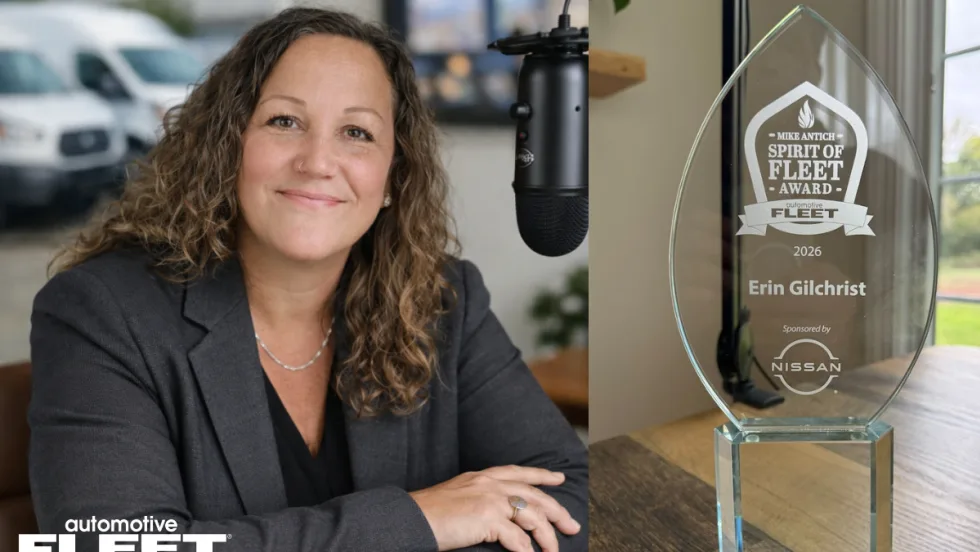
Erin Gilchrist Receives Mike Antich Spirit of Fleet Award
Last week at AFLA in Vegas, Erin Gilchrist received the inaugural, brand-new Spirit of Fleet Award.
Read More →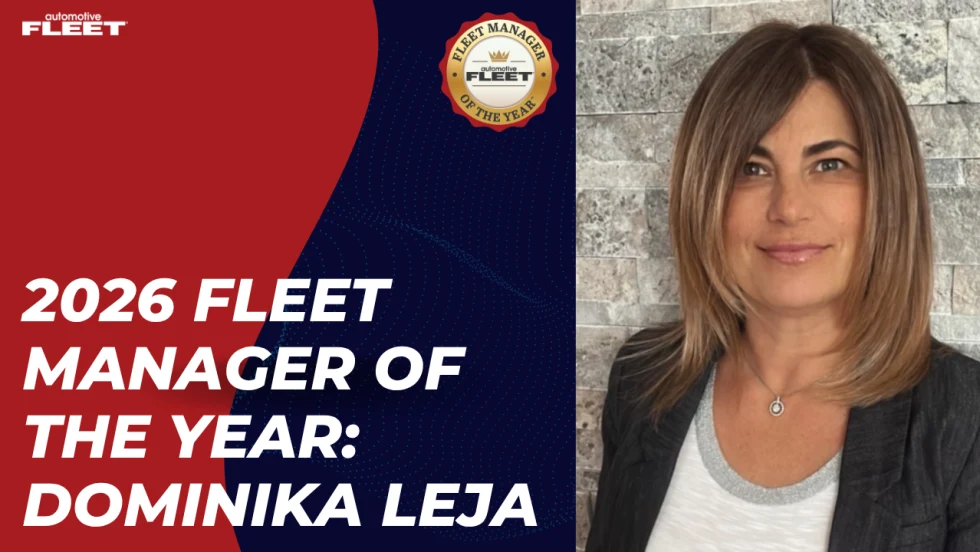
Dominika Leja Named the 2026 Fleet Manager of the Year
The AstraZeneca associate director of fleet was recognized for her leadership in fleet electrification, cost savings, and operational transformation.
Read More →
Jamie McKay Named the 2026 Fleet Visionary Award Winner
The Aptive Pest Control fleet manager was recognized for her approach to operations, data, lifecycle management, and driver needs.
Read More →
Fleet Forward Conference Introduces One-Day Passes for 2026
New one-day registration gives fleet professionals the flexibility to attend Tuesday, Wednesday, or Thursday, with passes available for $199 through Sept. 18.
Read More →
Vibe Coding: When Fleet Managers Become Software Builders
Five fleet professionals — none with programming skills — discuss how they’re using AI to build fleet solutions in-house and in a fraction of the time.
Read More →
Fleet Forward Conference Tackles Fleet Industry’s Growing Leadership Gap
This session will examine succession planning, knowledge transfer, and the skills the next generation of fleet leaders will need as veteran professionals leave the industry.
Read More →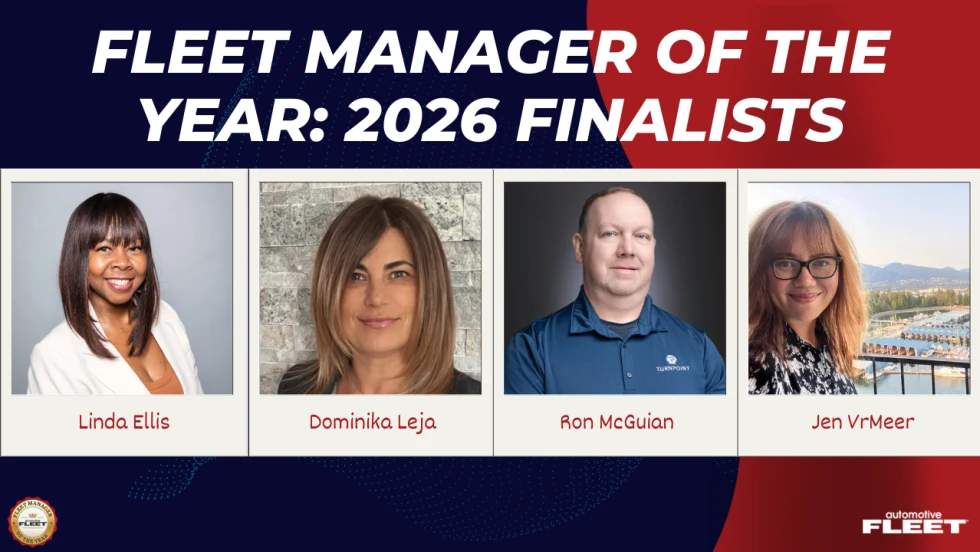
2026 Fleet Manager of the Year Finalists Announced
Who are the 2026 Fleet Manager of the Year finalists?
Read More →
John Rossant to Deliver Opening Keynote at 2026 Fleet Forward Conference
The CoMotion founder will draw on developments across Europe, China, the Middle East, and other international markets to identify trends that could influence how U.S. fleets plan for the coming decade.
Read More →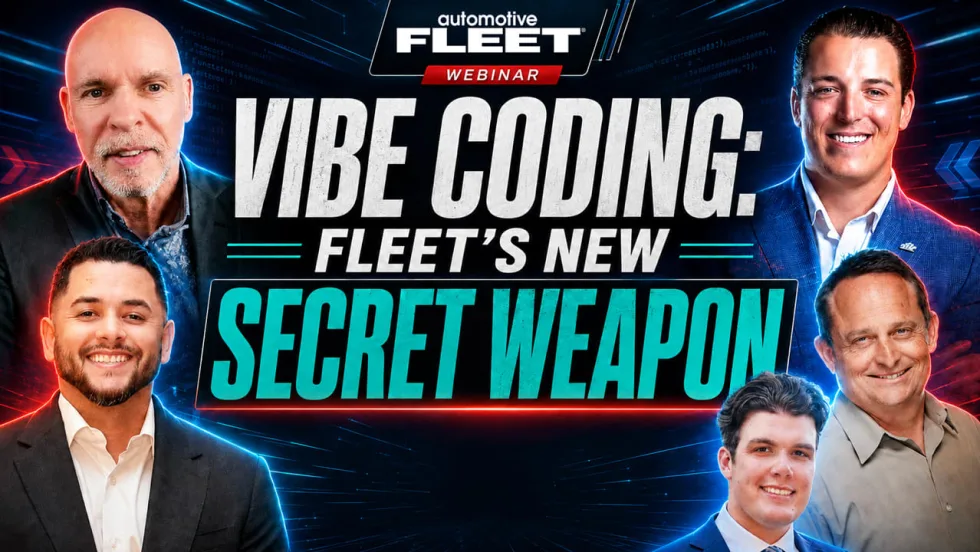
How to Build Custom Fleet Tools With AI and Vibe Coding [Webinar]
A new Automotive Fleet webinar explores how fleet managers are using AI and vibe coding to automate routine work and create simple operational tools without traditional programming skills.
Read More →
Is Fleet Ready for Its New Disruptors?
Three emerging leaders from a corporate fleet, public fleet, and the automotive supply chain will bring new ideas and a willingness to challenge industry norms to the Fleet Forward Conference stage.
Read More →