





Read the full article: A New Approach to DPF Maintenance
3 Ideas for Getting Ahead of DPF Buildup
Don't wait for the yellow light to come on; get ahead of DPF (diesel particulate filter) buildup with these maintenance tips.
August 9, 2021
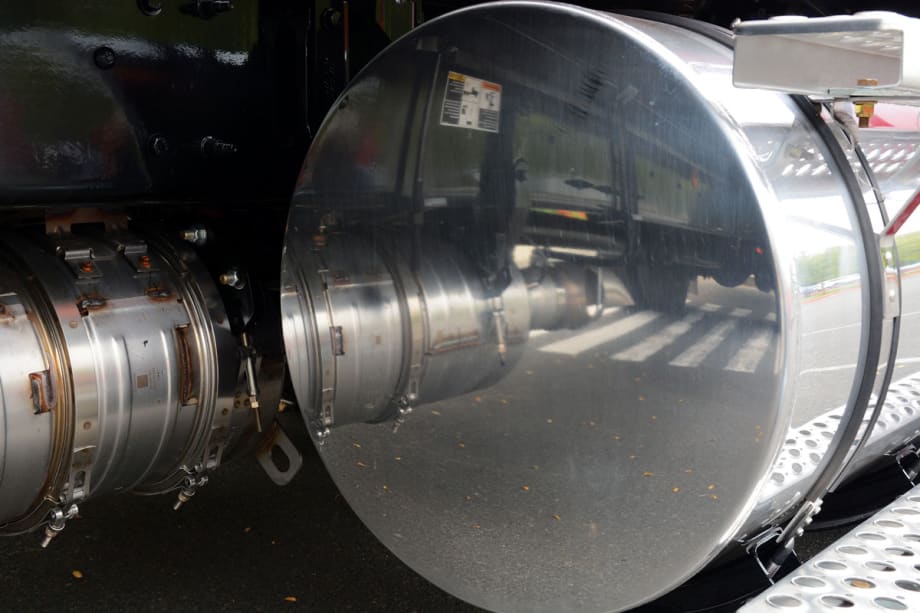
It's time to change the way we maintain our aftertreatment systems — and DPF cleaning can be one of the biggest headaches. Using coolant headers, low-ash engine oil, and biodiesel, can help.
Photo: Jim Park
3 min to read
Diesel particulate filter (DPF) maintenance is a pain for many fleet managers. Although these exhaust compononents are mission critical, there are no reliable guidelines regarding when service needs to be performed. And, the more diverse your fleet is, the harder it can be to stay ahead of the gunk. So before that little warning light comes on, try these tips to remain proactive in the fight against DPF buildup.
The following tips were included in the article, "A New Approach to DPF Maintenance" from the January 2021 issue of Heavy Duty Trucking.
1. Use a Low-Ash Engine Oil
New lower-ash CK-4 engine oils contain about 1% ash by volume, but a new item from Chevron — the Delo 600 ADF — is said to contain just 0.4% ash. It does not contain zinc or phosphorus in the additive package — both at least partially responsible for ash buildup in DPFs. According to Jason Gerig, commercial on- and off-highway sector manager for Chevron Lubricants, Americas, this low-ash engine oil can reduce ash buildup in the DPF by a significant margin.
“We have used a CT scan machine to observe the ash content of in-service DPFs,” he says. “With typical CK-4 oils, we’ll see about 1 millimeter of ash buildup for every 10 to 20 hours of operation, generally speaking. But with Delo 600 ADF, we see that same 1 millimeter of ash for 100 to 800 hours of operation.”
Fleets can avoid self-inflicted wounds by steering clear of cheap, off-brand oil as make-up oil. If the truck is consuming oil, it’s probably winding up in the DPF as ash, coating the diesel oxidation catalyst and the DPF face. Low-ash oils such as Delo 600 ADF may still wind up in the DPF, but it won’t cause as much ash buildup, Gerig says.
2. Preheat Your Engine with a Coolant Heater
During a cold start, diesel engines pass a lot of unburned fuel through the exhaust system. In pre-DPF days, cold starts produced clouds of smoke when they were first cranked to life. They still do that, but you can’t see the smoke — because it’s trapped by the DPF.
The solution, according to the company Webasto, is to preheat the engine before starting. Webasto has been researching diesel-fired engine coolant heaters since before DPFs were mandated in 2007. Findings show that warming the engine coolant to 165 degrees before turning the key reduced soot by about 66% at a 40-degree ambient temperature, and by 27% at a 70-degree ambient temperature.
“We saw a significant reduction on [preventive maintenance] when we preheated the engine using a coolant heater, but we saw other benefits, too,” says Duane Bratvold, western regional business development manager for Webasto Thermo & Comfort North America. “Depending on the outside temperature, it can take 35 to 45 minutes for the DPF to heat up enough to start oxidizing soot. By preventing much of the cold, damp soot from getting into the filter in the first place, the DPF has a chance to heat up like it’s supposed to before it’s overloaded.”
Bratvold explains that coolant heaters left running on equipment with frequent on and off cycles, such as yard trucks or food-service delivery trucks, can help keep engines closer to normal operating temperature when they are restarted, lowering soot production. “They are also great alternatives to idling for all the same reasons,” he says. “Idling kills DPFs.”
3. Try Biodiesel
Biodiesel supplier Renewable Energy Group claims that burning biodiesel emits less particulate matter than petroleum diesel, yielding fewer regens and less maintenance on the aftertreatment system. According to REG, the oxygen in biodiesel provides more complete combustion and produces 50% less soot than petroleum diesel.
“Less soot means the DPF fills slower, resulting in fewer regens,” REG told HDT. “Also, biodiesel particulates burn off easier than those from ultra-low-sulfer diesel.”
Subscribe to Our Newsletter
More Maintenance

Sponsored•October 1, 2026
Fleet Manager’s Ultimate Playbook: Navigating the New Standard in OEM Connectivity
Rising operating costs, driver safety concerns, and unplanned downtime are putting unprecedented pressure on modern fleets. Discover how fleet managers use embedded OEM connectivity and real-time vehicle data to cut TCO, prevent downtime, and protect drivers without aftermarket telematics hardware.
Read More →
How Can Fleet Managers Tell Which Repairs Require Closer Review?
Fleetio’s Brianna Perry demonstrates how Service Advisor evaluates maintenance requests, identifies pricing anomalies, and provides the context fleet managers need to focus their attention on potential problems.
Read More →
Why Roadside Assistance Belongs in a Fleet Risk Strategy
Roadside assistance is more than a tow. See how the right partner can protect drivers, uncover fleet trends, and strengthen your risk strategy.
Read More →
Sponsored•August 7, 2026
Hidden in Plain Sight: Fleet Compliance Risks
Fleet compliance isn't just about having policies — it's about consistently enforcing them. This practical guide reveals six hidden compliance risks common in public sector and shared fleet operations and outlines proven strategies to improve visibility, accountability, and audit readiness
Read More →
How Maintenance Costs Compare Across 27 Fleet Vehicles
Vincentric’s three-year, 60,000-mile projections reveal wide differences for both scheduled and unscheduled maintenance among selected vehicle categories. Projected maintenance visits also play a factor.
Read More →
The EV Breakdown Nobody's Talking About: Why Most Electric Vehicle Roadside Calls Aren't Mechanical Failures
Here's why EV breakdowns are widely misunderstood.
Read More →
How Stellantis Plans to Get Ahead of Fleet Downtime
Keeping fleet vehicles on the road has become as important as buying them. Darren Bradshaw of Mopar North America explains how connected vehicle data, AI, and proactive service strategies are helping Stellantis reduce downtime and move closer to predictive maintenance.
Read More →
Merchants Fleet Expands Maintenance Network with Pep Boys
Merchants Fleet has expanded its relationship with Pep Boys, increasing the service provider's role within its national maintenance network. The move is intended to enhance maintenance coordination and support commercial fleets through Pep Boys' nationwide footprint.
Read More →
The Two Biggest Summer Downtime Threats for Fleets
A conversation with a maintenance expert reveals the two most common summer maintenance pains and how to prevent them.
Read More →
From Marine Corps Motor Pool to Managing 460 Fleet Vehicles
Cesar Ayala of O’Connell Landscape Maintenance shares how he transitioned from the Marine Corps to managing a 460-vehicle fleet—and the real-world challenges of maintenance, compliance, and driver management in California.
Read More →