




2017 Fleet Management Trends: Compact SUVs
Commercial fleets have begun to embrace compact SUVs in greater numbers as alternatives to mid-size sedans and trucks, because they offer ergonomic, operational, and remarketing benefits.

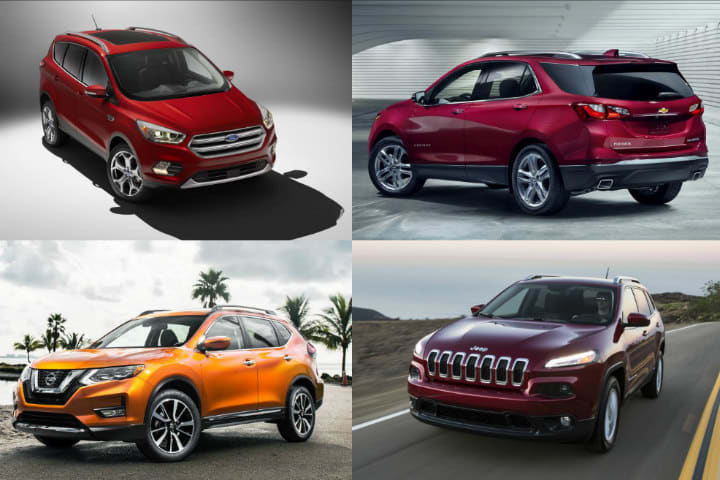
(clockwise upper l. to r.) Photos of 2017 Escape, 2018 Equinox, 2015 Jeep Cherokee, 2017 Rogue courtesy of Ford, GM, FCA, and Nissan.
(clockwise upper l. to r.) Photos of 2017 Escape, 2018 Equinox, 2015 Jeep Cherokee, 2017 Rogue courtesy of Ford, GM, FCA, and Nissan.
Compact SUVs have grown in popularity in recent years and surpassed mid-size sedans as the top selling vehicle category first in 2015 and again in 2016.
Commercial fleets have begun to embrace these vehicles in greater numbers as alternatives to mid-size sedans and trucks, because they offer ergonomic, operational, and remarketing benefits, fleet management companies told AutomotiveFleet.com.

Kandrysawtz
"Once considered an upgrade, compact SUVs have become an increasingly popular choice for many fleets today," said Beth Kandrysawtz, CEO of Motorlease Corp. "While competitive pricing, strong residual values, and increased fuel efficiency make crossovers attractive from a financial standpoint, enhanced ergonomics, greater cargo space, and an all-wheel drive option are enticing benefits from the driver’s perspective."
Sales of small SUVs and crossovers increased 4% to 2.73 million in 2016. The Ford Escape, Toyota RAV4, and Honda CR-V sold more than 300,000 units, while the Nissan Rogue, Chevrolet Equinox, and Jeep Cherokee surpassed 200,000 units, according to GoodCarBadCar.net.

Donahue
Commercial fleets have begun to catch up with retail demand for these vehicles, which have found their way into sales fleets that need room for samples and displays, engineering firms that carry equipment, and some service fleets, said Mark Donahue, manager of fleet analytics and corporate communications with Emkay.
"Compact SUV's and mid/small crossovers are becoming an increasingly large segment within the fleet industry," Donahue said.
Sales fleets have also requested more compact SUVs from Donlen, said Cindy Gomez, vice president of vehicle acquisition services.

Gomez
"We have experienced an increase in crossover/SUV vehicles versus sedans over the past year," Gomez said. "There are several factors that have caused this shift, and I can see more of the sales type of fleet utilizing these types of assets. When you compare the wheelbase, fuel economy and width of a crossover/SUV to a mid/full sized sedan, they are very similar. However, with a crossover/SUV, there is more cargo area for the driver to store materials and still have the same passenger capacity."

Coffey
Compact SUVs have also grown in popularity with HR managers, who view them as a way to increase employee satisfaction, said Tom Coffey, vice president of sales and marketing with Merchants Fleet Management.
"Smaller SUVs have come into more popular use as fleet managers and HR directors have seen them as suitable replacements for sedans and even small pickups while great employee satisfaction and retention tools," Coffey said.
More Operations

A buyer's guide to fleet management software in 2027
Buying fleet management software in 2027 means looking beyond features and price. As fleet operations, technology and expectations evolve, this guide explores what today’s fleet professionals should consider when choosing a system that can deliver value now and adapt to what comes next.
Read More →
What Will Shape the Next Era of Fleet Management?
EVs, AI, and autonomous vehicles are reshaping fleet management. Discover what’s ahead—and how fleet leaders can prepare for the next era.
Read More →
How Fleets Can Recruit and Train Veterans for Technician Roles
Here's how the technician shortage has affected uptime for fleets, and what to do about it.
Read More →

Avis Budget Group Deploys Neology Toll Management Technology Across Major Brands
Neology’s neoFleet platform will manage toll transactions and toll-authority operations for vehicles across Avis, Budget, Payless, Budget Truck and Zipcar.
Read More →
Fleet Personal-Use Charges Edge Higher in 2026
Nearly eight in 10 surveyed fleets allow personal use of company vehicles, while just over half of respondents report charging employees for the privilege.
Read More →
The Future of Fleet + What’s Changing Right Now | AF News Recap
Could developments overseas offer a preview of what’s coming for U.S. fleets? This week, we’re looking at the future of AI, autonomy, and electrification, plus Ford Pro’s new certified pre-owned program, smarter vehicle offboarding, and a new way for fleets to manage toll expenses.
Read More →
How to Handle Vehicle Offboarding
What do fleet managers need to do when a driver leaves?
Read More →
Fleet Manager’s Ultimate Playbook: Navigating the New Standard in OEM Connectivity
Rising operating costs, driver safety concerns, and unplanned downtime are putting unprecedented pressure on modern fleets. Discover how fleet managers use embedded OEM connectivity and real-time vehicle data to cut TCO, prevent downtime, and protect drivers without aftermarket telematics hardware.
Read More →
U.S. Bank Adds Verra Mobility Toll Management to Voyager Fleet Platform
The integration allows U.S. Bank Voyager fleet customers to manage toll payments and violations alongside fuel, EV charging and maintenance expenses.
Read More →
ADAS Prevents Crashes. But Repairs Cost More | AF News Recap
ADAS-equipped vehicles may crash less often, but they can cost more when they do. This week, we’re breaking down what that tradeoff means for fleets, plus Subaru’s first Forester Wilderness Hybrid, Nissan’s new e-POWER Rogue, and why Calstart has become Catalyst Mobility.
Read More →