




13% of Commercial Fleet Managers Earn More than $90k Per Year
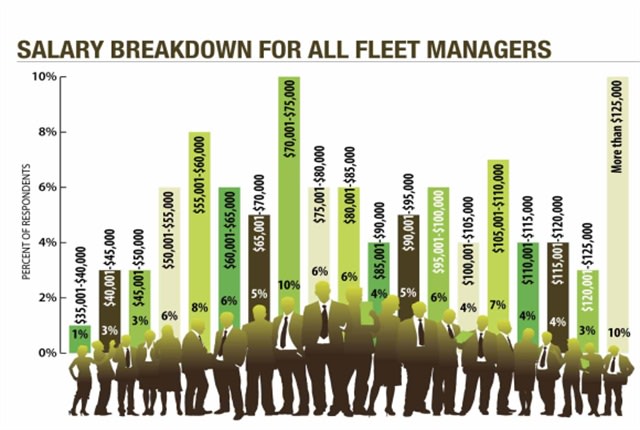
In 2006, 59 percent of commercial fleet managers earned more than $50,000 per year and 7 percent earned more than $100,000. Fleet managers with liberal arts or technical degrees make an annual median salary of $85,000.
In 2006 the number of commercial fleet managers who earned more than $80,000 per year increased 18 percent in 2004, to 23 percent in 2006.
Automotive Fleet's biennial salary survey, which included responses from fleet managers in all areas of the country and all fleet sizes, took a look at factors such as age, education, and gender in comparison to salary.
For complete article, click here.
Gender, Age and Education
In reviewing salary by gender, 66 percent of the female fleet anagers surveyed earned more than $50,000 per year, while 82 percent of the male fleet managers surveyed earned more than $50,000.
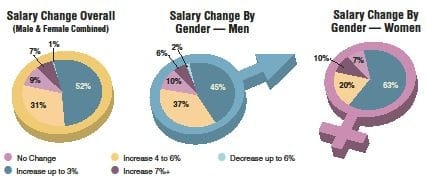
Female fleet managers experienced more of an overall salary increase than their male counterparts, with a total of 93 percent of the female fleet managers reporting some increase in pay. No female fleet managers reported a decrease in pay. Of the male fleet managers surveyed, 88 percent reported pay increases, and 2 percent reported a decrease in pay.
In regards to age, 51 percent of the fleet managers surveyed are between the ages of 51 and 60, a increase of 12 percent over the 2005 AF study. Managers between 41 and 50 represent 31 percent of those surveyed.
A fleet manager with a high school diploma has a median annual pay of $45,000. Proof that an education can be a key to financial success, fleet managers who received a business degree increased their median pay to $70,000 and those managers with a Technical degree receive a median annual pay of $85,000. However, post-graduate degrees have little effect on compensation.
Experience and Other Contributing Factors
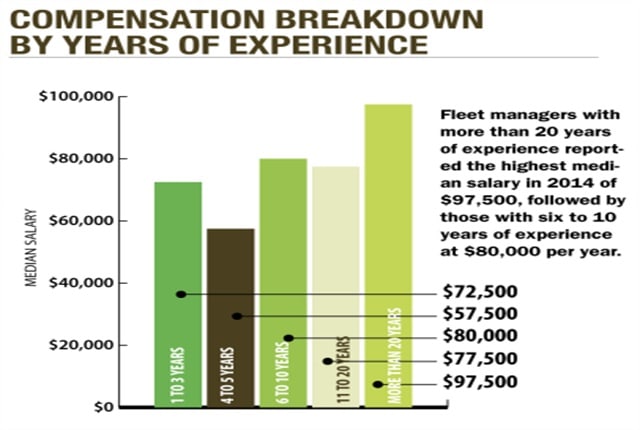
Fleet management across the country is full of one thing - experience. Thirty-three percent of the female fleet managers and 44 percent of the male fleet managers have more than 20 years' experience in fleet management.
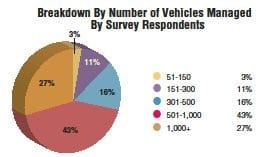
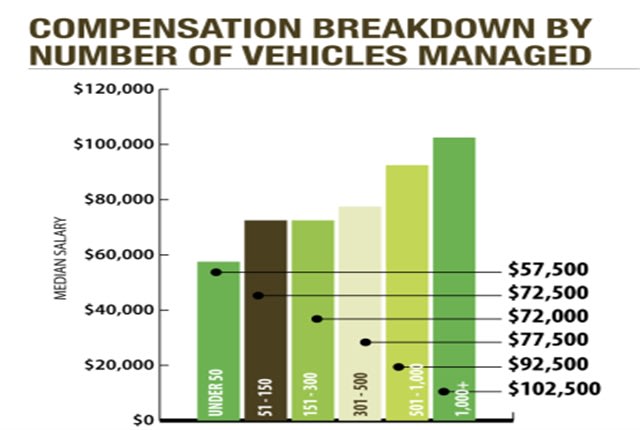
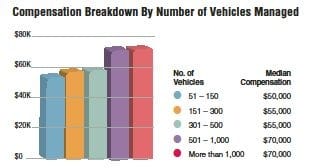
According to our results, the number of vehicles managed also directly impacts salary. Fleet managers responsible for 51-150 vehicles receive an annual median pay of $50,000, while those managers responsible for 501 vehicles or more earn $70,000 as their annual median salary.
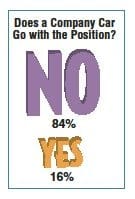
Only 16 percent of the respondents reported that a company car comes with their position. Several of the remaining 84 percent commented they wish their position did come with that perk.
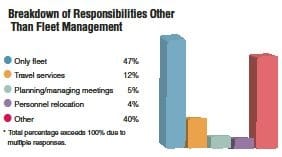
Regarding the responsibilities of fleet management, 47 percent stated fleet was their only responsibility. Of the remaining managers, 40 percent reported they have other responsibilities as well as fleet, including (but not limited to): safety, accounting, purchasing, logistics, contracts, and expense reporting.
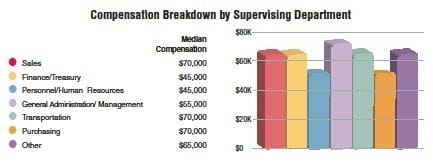
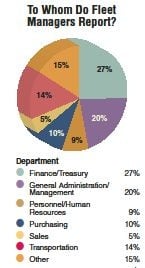
Fleet managers who reported to the sales, transportation, or purchasing departments within their companies reflected the highest annual median salaries.
Managers reporting to finance/treasury or personnel/human resources reported the lowest annual median salary.
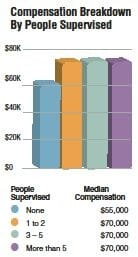
As with the number of vehicles managed, the number of people supervised also has a direct impact on salary. Those managers overseeing more than five employees reported taking home the highest pay.
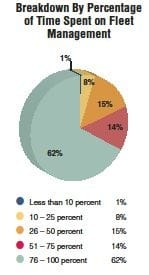
As far as time is concerned, 66 percent of the managers surveyed reported they are able to spend between 76 to 100 percent of theirtime on fleet managment. Across the country the median salary for fleet managers remained relatively steady.
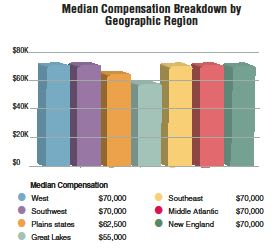
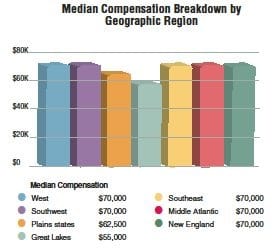
Managers in the West, Southwest, Southeast, Middle Atlantic, and New England reporting an annual median pay of $70,000.
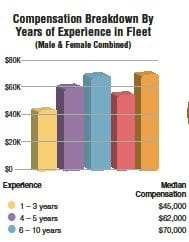
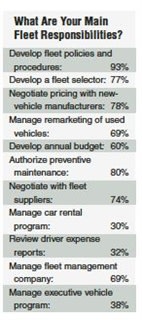
The main responsibility of fleet management is developing fleet policies and procedures, up 7 percent from the 2005 study.
A majority (80 percent) of the responding fleets outsource at least one or more of their services to a fleet management company, title and licensing being the most popular choice.
More Operations

How Fleets Can Recruit and Train Veterans for Technician Roles
Here's how the technician shortage has affected uptime for fleets, and what to do about it.
Read More →
Avis Budget Group Deploys Neology Toll Management Technology Across Major Brands
Neology’s neoFleet platform will manage toll transactions and toll-authority operations for vehicles across Avis, Budget, Payless, Budget Truck and Zipcar.
Read More →
Fleet Personal-Use Charges Edge Higher in 2026
Nearly eight in 10 surveyed fleets allow personal use of company vehicles, while just over half of respondents report charging employees for the privilege.
Read More →
The Future of Fleet + What’s Changing Right Now | AF News Recap
Could developments overseas offer a preview of what’s coming for U.S. fleets? This week, we’re looking at the future of AI, autonomy, and electrification, plus Ford Pro’s new certified pre-owned program, smarter vehicle offboarding, and a new way for fleets to manage toll expenses.
Read More →
How to Handle Vehicle Offboarding
What do fleet managers need to do when a driver leaves?
Read More →
Fleet Manager’s Ultimate Playbook: Navigating the New Standard in OEM Connectivity
Rising operating costs, driver safety concerns, and unplanned downtime are putting unprecedented pressure on modern fleets. Discover how fleet managers use embedded OEM connectivity and real-time vehicle data to cut TCO, prevent downtime, and protect drivers without aftermarket telematics hardware.
Read More →
U.S. Bank Adds Verra Mobility Toll Management to Voyager Fleet Platform
The integration allows U.S. Bank Voyager fleet customers to manage toll payments and violations alongside fuel, EV charging and maintenance expenses.
Read More →
ADAS Prevents Crashes. But Repairs Cost More | AF News Recap
ADAS-equipped vehicles may crash less often, but they can cost more when they do. This week, we’re breaking down what that tradeoff means for fleets, plus Subaru’s first Forester Wilderness Hybrid, Nissan’s new e-POWER Rogue, and why Calstart has become Catalyst Mobility.
Read More →
Moventum Fleet Management Names Mark Iorillo Head of Sales
Iorillo brings nearly 20 years of fleet management and sales experience to the role, including previous positions at Element Fleet Management, CEI, Donlen and Ryder.
Read More →
Fleet Has a Talent Pipeline Problem. What Comes Next? | AF News Recap
Where will fleet’s next generation of leaders come from? This week, we’re looking at the industry’s talent pipeline, what certification can add to a fleet career, how to build an award-worthy track record, and the return of Automotive Fleet’s Personal Use Survey.
Read More →