




UPS Deploys 17 More Hybrid Trucks
WASHINGTON - UPS announced on May 19 that its fleet of alternative-fuel vehicles had expanded with the deployment of 17 next-generation hybrid electric delivery trucks to Washington D.C.
WASHINGTON - UPS announced on May 19 that its fleet of alternative-fuel vehicles had expanded with the deployment of 17 next-generation hybrid electric delivery trucks to Washington D.C.
Currently, 50 UPS hybrid electric vehicles (HEVs) operate in Atlanta, Dallas, Houston and Phoenix. The 17 trucks deployed in Washington are part of 200 new HEVs deployed recently to eight U.S. cities. The 200 new trucks will operate in Austin, Houston, Philadelphia, Chicago, Washington, D.C., Long Island, Minneapolis and Louisville.
The 200 new HEV package cars are expected to reduce fuel consumption by roughly 176,000 gallons over the course of a year compared to an equivalent number of traditional diesel trucks. The hybrids also should reduce by 1,786 metric tons the amount of CO2 gases released annually into the atmosphere. Since 2000, UPS's fleet of alternative-fuel vehicles has traveled more than 165 million miles.
The UPS alternative-fuel fleet uses multiple technologies, including compressed natural gas, liquefied natural gas, propane, electricity and hydraulic hybrid technology.
"We're proud of this large HEV deployment to major cities in the United States," said Bob Stoffel, UPS senior vice president of supply chain strategy, engineering and sustainability. "Collectively, this new HEV fleet can yield a 35-percent fuel savings, the equivalent of what's used in a year to power 100 conventional delivery vehicles."
The new hybrid power system uses a conventional diesel engine combined with a battery pack, saving fuel and reducing pollution-causing emissions. The small diesel is used to recharge the battery pack and to add power when necessary.
HEVs use regenerative braking. The energy generated from applying the brakes is captured and returned to the battery as electricity. The combination of clean diesel power and electric power, supplemented by regenerative braking, allows dramatic improvements in fuel savings and emissions reductions.
The HEVs use a Freightliner Custom Chassis Corp. body and a hybrid power system from Eaton Corp. The external truck bodies are identical to UPS's other signature brown trucks, although they feature additional labeling identifying them as hybrid electrics. The trucks use lithium ion batteries, which offer a faster re-charging capability and last longer than previous generation HEV batteries. Additionally, these vehicles are much quieter than conventional UPS trucks.
More Green Fleet
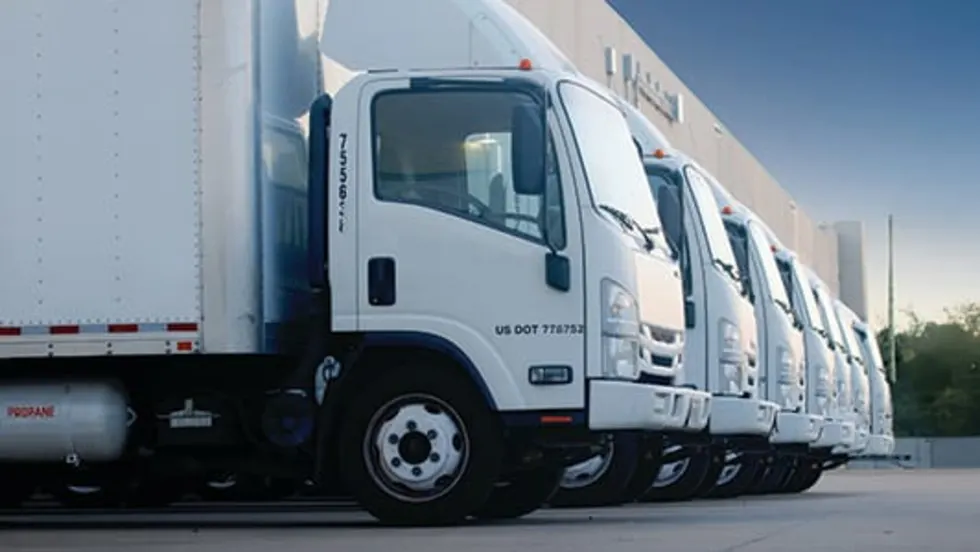
New Propane Autogas Program Offers Fleet Compensation
Qualified commercial fleets can receive $7,500 per eligible propane autogas vehicle and up to $10,000 for new refueling site prep. Learn how the program works and see whether your fleet qualifies.
Read More →
EV Charging Use Is Outpacing Infrastructure Growth
ChargePoint’s 2026 Charging Forward Report points to rising charger use, higher-powered charging, commercial vehicle electrification, and energy-management technology. Here’s what fleets should know.
Read More →
Merchants Fleet Reports 290M EV Miles as Fleets Navigate Changing Electrification Market
From millions in operating savings to hundreds of millions of EV miles, Merchants Fleet’s latest report reveals what’s working and what’s changing in fleet electrification.
Read More →

The EV Breakdown Nobody's Talking About: Why Most Electric Vehicle Roadside Calls Aren't Mechanical Failures
Here's why EV breakdowns are widely misunderstood.
Read More →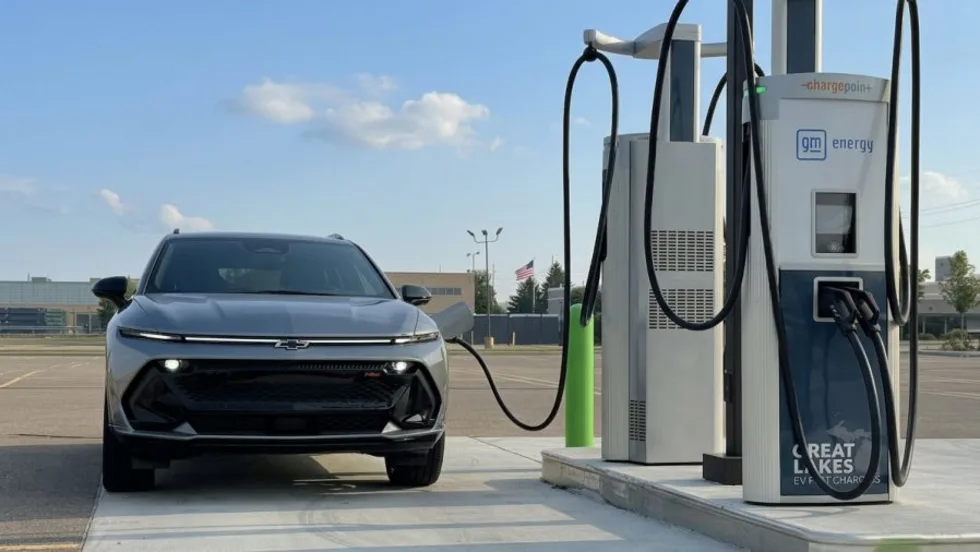
ChargePoint Now Available in Energy Pass
ChargePoint and additional planned charging network integrations were added to GM's Energy Pass.
Read More →
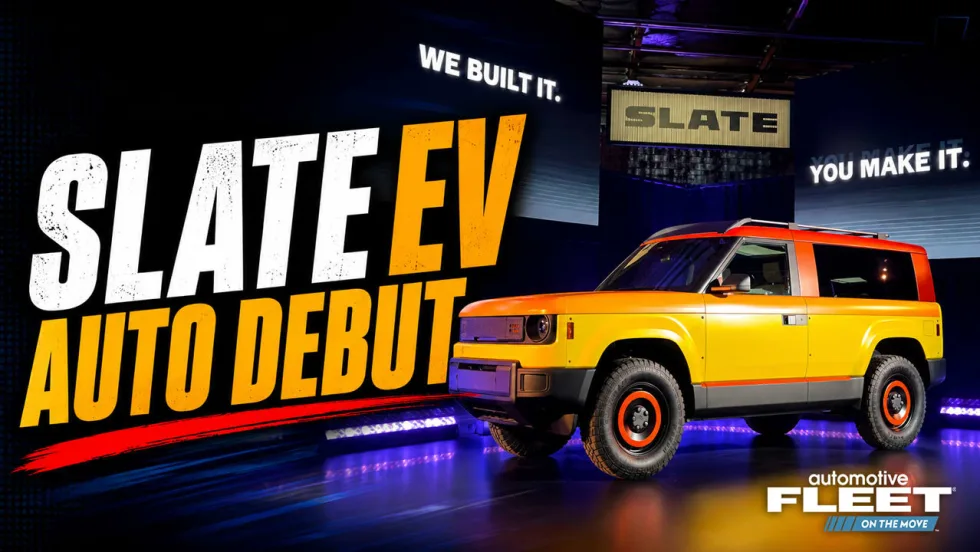
First Look: Slate Auto's Electric Fleet Pickup
Could an affordable, modular EV pickup make electrification more practical for fleets?
Read More →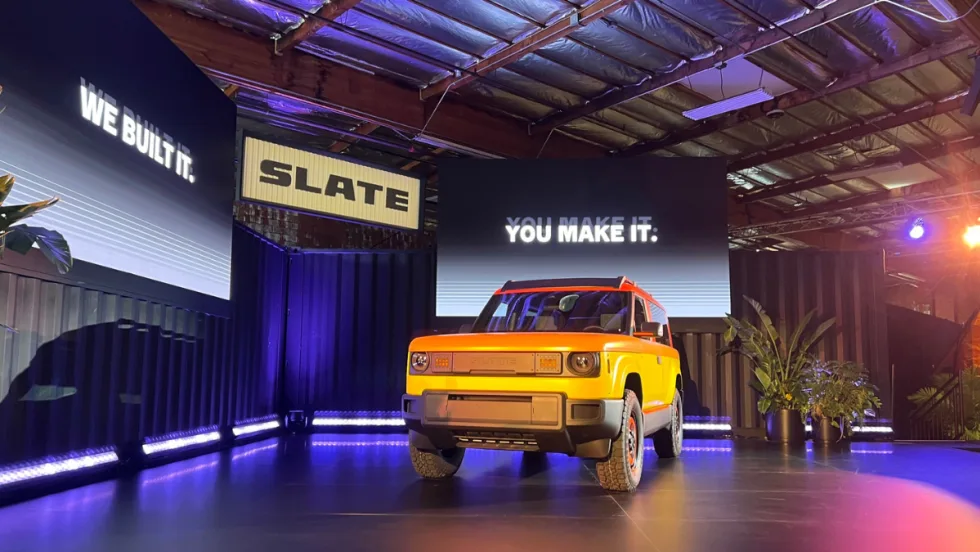
Slate Debuts Colorful, Unique EV Models
A recent media and client event, studded with electric vehicles dressed up on platforms, planted a new position for the manufacturer in the wider EV market. Fleets will find cost-saving advantages.
Read More →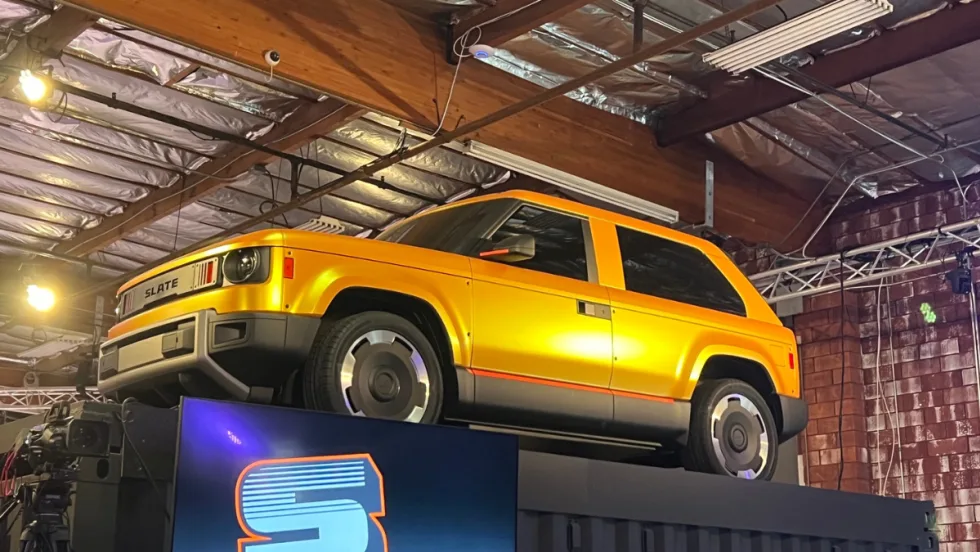
Slate Electric SUV, Pickup Switchable Model Aims For Light-Duty Fleets
Everything about this EV is counterintuitive and understated, making it stand out from the crowd.
Read More →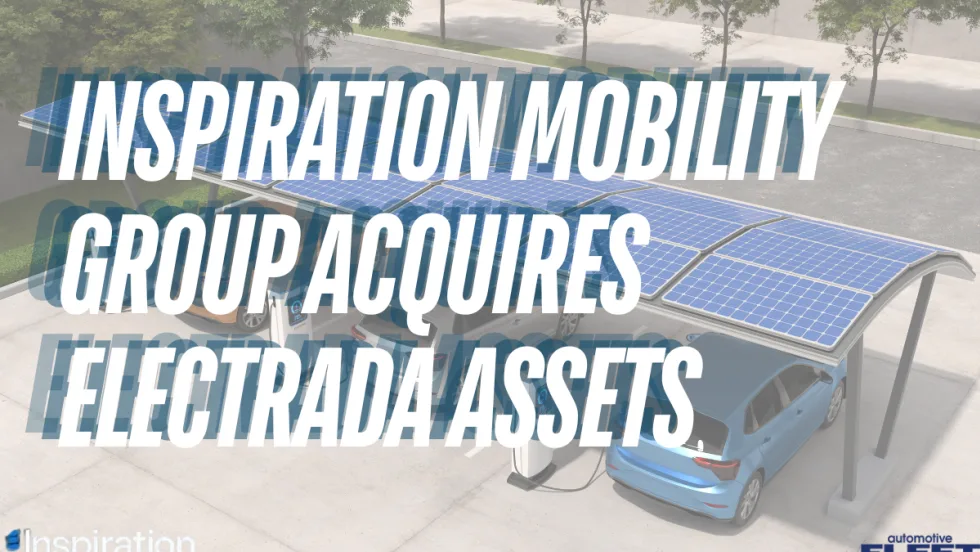
Inspiration Mobility Acquires Key Electrada Assets
Inspiration Mobility Group has acquired select assets of Electrada, adding the fleet electrification provider's team, technology, and charging infrastructure development capabilities to its energy management business.
Read More →