




Meet the 2019 Fleet Manager of the Year
Erin Gilchrist is the fleet director for Safelite AutoGlass. Her fleet management duties are focused on driver safety, sustainability, and efficiency.


Posing with Erin Gilchrist, the 2019 Edward J. Bobit Professional Fleet Manager of the Year, are Laura Jozwiak (left), SVP sales and client relations for Wheels Inc., which sponsors the award; and Mike Antich, who was representing AFLA and will serve as the association’s president in 2021.
Photo by Andy Lundin
Erin Gilchrist, director of fleet for Safelite AutoGlass, was named the 2019 Edward J. Bobit Professional Fleet Manager of the Year.
Gilchrist, who manages a fleet of more than 8,000 vehicles, has been with Safelite for 15 years. She was honored with the award for her achievements in the industry at the 2019 Annual Automotive Fleet & Leasing Association (AFLA) Conference in Phoenix, Ariz. at the Arizona Grand Resort.
“It’s just a tremendous honor,” she said. “When I look back at past winners, nominees, and finalists, it’s such an elite group, and I am thrilled and honored to be amongst them, let alone win. It’s a testament to my team, Safelite, and my peers and friends in the industry.”
She listed AFLA as one of the main major contributors to her growth in the industry, due to the many functions the association has been able to provide fleet managers like herself.
“AFLA helped bring up the industry,” said Gilchrist. “It’s such a great organization of professionals who work together, collaborate well, network, share data and information, and provide education to help fleet leaders like myself to learn and grow.”
The Fleet Manager of the Year Award was created to recognize a proficient fleet manager who has demonstrated special business acumen in developing and executing key management policies in all areas.
Eligible nominees are full-time commercial fleet managers who control a company-owned or leased fleet in excess of 100 cars and light trucks combined. Nominees are recognized nationally among their peers for their unique abilities and accomplishments.
Intro to Fleet
Gilchrist was introduced to the fleet industry early in her career with Safelite, where she initially started in internal audit in a process analyst role. She said this role helped her learn more about the company’s business, and, ultimately, its fleet.
“From the initial call a customer makes with Safelite through the invoicing process and everything that happens in between, it was such a great opportunity to get to know the customers I would get to have as a fleet leader,” she said.
Her desire to learn more about the company led to her joining its safety committee. Being part of the safety committee allowed her to get to know the company’s fleet leader at the time, as well as the risk team, where she worked with them as a contributor on the committee.
When the former fleet leader left the company, the opportunity to elevate that role arose. Safelite’s risk director at the time suggested Gilchrist try her hand in fleet.
“There was a fleet supervisor in the role when I was first hired by Safelite,” Gilchrist said. “We were just growing, and they made the decision to turn it into a manager, and then a director role, which I hold today, after that supervisor left the company, and I was lucky enough to be there while our fleet was growing and we tripled our fleet size since I started in fleet.”
A Passion for Fleet
In her role as director of fleet, Gilchrist manages a fleet of over 8,000 vehicles and supervises a staff of four. Safelite AutoGlass provides vehicle glass repair, replacement, and calibration services, among other services.
“A majority of our fleet are the repair cars and MobileGlassShops (vans) used for mobile glass repairs and replacements, but we also have sales and manager vehicles and a fleet of distribution vans and trucks to transport glass, windshields, and other glass parts and materials to our Safelite locations,” Gilchrist said.
She performs a broad range of duties in her role as fleet director. She breaks down her tasks in several different functions, which are firmly rooted in supplying strong customer service.
“When I look at my monthly tasks, it’s project management for our major initiatives, due diligence around our monthly financial close with my team, generating reports, data and analyses to our internal and external partners, and working with our team on acquisitions happening with Safelite,” she said. “I think what’s encompassed in all of that, the sort of thread that ties all of that work together, is our end-customer experience: how do we get to our end-customer on time and safely every day.”

Erin Gilchrist (left), speaks at the podium following the announcement of her award.
Photo by Andy Lundin
Gilchrist said the key driving forces that support these facets of the Safelite AutoGlass fleet are driver safety, sustainability, and efficiency, which are all designed in some way to support the technicians and customers.
“Those three things are the undercurrent of putting our people first. We are a people-powered, customer-driven organization. We strive for the well-being and happiness of our associates and customers; that’s what drives us every day.”
But getting to this point means Gilchrist has to evaluate vehicles based on selection, upfitting, technological capabilities, and anything else pertinent to ensuring the effectiveness of company technicians.
“The vehicles are workstations for our technicians and we specifically chose vehicles with the lowest cost of operations, a custom upfit, with onboard devices that manage driver behavior,” she said. “Then what is expected of us by doing that is to increase driver safety and decrease fuel consumption, and help our technicians get out to our customers to perform vehicle glass replacement and repair in a timely and accurate manner and helping to reinforce our image.”
Success in Fleet
Gilchrist said that one of her biggest achievements in managing the Safelite AutoGlass fleet was earning executive buy-in for the implementation of its current telematics program. This has been able to help enforce the three driving forces that Gilchrist has touted as Safelite’s bread and butter: safety, sustainability, and efficiency. While sustainability and efficiency are certainly elemental, the benefits to these areas are witnessed directly from the success in the area of driver safety.
“I think the driving force behind introducing telematics back then was designed to improve safety through visibility of behind-the-wheel driver behavior,” she said. “This in turn improves vehicles’ efficiency and reduces fuel consumption, increases efficiency and uptime and provides environmental benefits that come by way of having vehicles safe. It served as a means to reduce risky behaviors and at the same time run a highly efficient, safe fleet, and reduce our carbon footprint. It’s a win-win.”
The initial pilot for the telematics program helped Gilchrist show the company what telematics can offer, and also her tenacity as a fleet professional.
“You cannot manage what you don’t measure,” Gilchrist said. “We were able to show the organization through a thorough and extended pilot that we could not only modify behind the wheel driving, but we could certainly reduce our carbon footprint through the visibility the device gives us. It was a good learning experience collaborating with our field partners, HR, legal, risk, and many others, and making sure they were onboard. Once we got that pilot completed and implemented the concept, it’s been a great story ever since.”
Looking Ahead
When Gilchrist first began in fleet, she was used to hearing this phrase from other industry peers: “Well, that’s the way we’ve always done it.”
But as the industry has evolved, she said fleet leaders started to carve a path for different mobility strategies for their organizations, often through new tools and technologies, including telematics, data integration, Big Data analysis, etc. This in turn, slowly helped develop the idea of fleet managers becoming “mobility managers,” which has been an area of focus for her.
And while certain trending themes, such as autonomous and connected vehicles may still be in their infancy, Gilchrist has not shied away from embracing a new future of mobility by considering current and burgeoning technologies and fleet trends, but also the average necessities of a fleet manager that will help the fleet function effectively.
“We’re looking at some key strategies that will continue to evolve and grow in the next one to three years,” she said.
Strategies she mentioned include improving fleet efficiency through improved asset utilization and rightsizing. Another key initiative is the continued focus on safety by implementing new tools and technologies to curb risks like distracted driving. There has also been an initiative on sustainability, with a focus on electrification, idle reduction, and more. And a continued focus on drivers, of course.
“Ultimately, focusing on driver engagement will raise awareness around driver fitness and vehicle care, which will result in optimal driver safety and vehicle efficiency. We’re constantly looking at those items as any fleet leader is,” Gilchrist said.
More Operations

A buyer's guide to fleet management software in 2027
Buying fleet management software in 2027 means looking beyond features and price. As fleet operations, technology and expectations evolve, this guide explores what today’s fleet professionals should consider when choosing a system that can deliver value now and adapt to what comes next.
Read More →
What Will Shape the Next Era of Fleet Management?
EVs, AI, and autonomous vehicles are reshaping fleet management. Discover what’s ahead—and how fleet leaders can prepare for the next era.
Read More →
How Fleets Can Recruit and Train Veterans for Technician Roles
Here's how the technician shortage has affected uptime for fleets, and what to do about it.
Read More →

Avis Budget Group Deploys Neology Toll Management Technology Across Major Brands
Neology’s neoFleet platform will manage toll transactions and toll-authority operations for vehicles across Avis, Budget, Payless, Budget Truck and Zipcar.
Read More →
Fleet Personal-Use Charges Edge Higher in 2026
Nearly eight in 10 surveyed fleets allow personal use of company vehicles, while just over half of respondents report charging employees for the privilege.
Read More →
The Future of Fleet + What’s Changing Right Now | AF News Recap
Could developments overseas offer a preview of what’s coming for U.S. fleets? This week, we’re looking at the future of AI, autonomy, and electrification, plus Ford Pro’s new certified pre-owned program, smarter vehicle offboarding, and a new way for fleets to manage toll expenses.
Read More →
How to Handle Vehicle Offboarding
What do fleet managers need to do when a driver leaves?
Read More →
Fleet Manager’s Ultimate Playbook: Navigating the New Standard in OEM Connectivity
Rising operating costs, driver safety concerns, and unplanned downtime are putting unprecedented pressure on modern fleets. Discover how fleet managers use embedded OEM connectivity and real-time vehicle data to cut TCO, prevent downtime, and protect drivers without aftermarket telematics hardware.
Read More →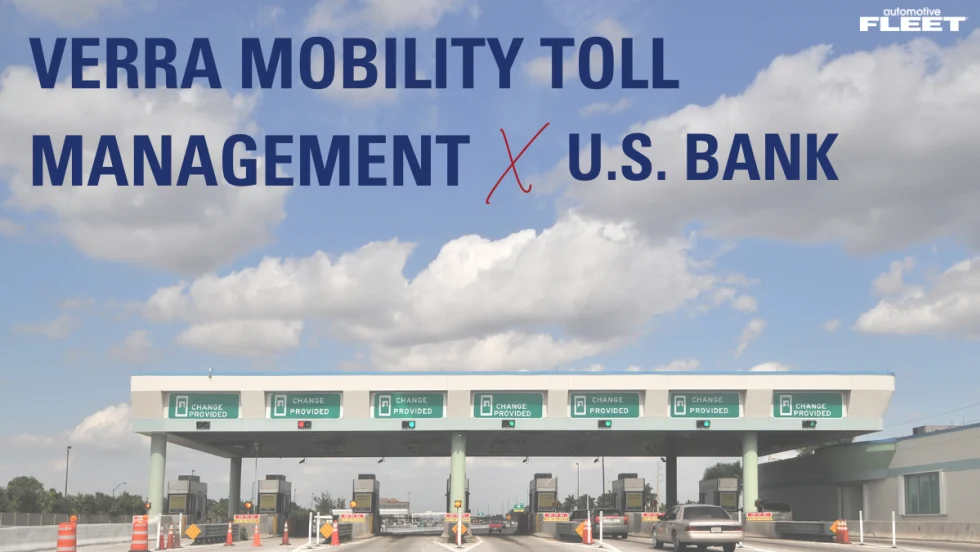
U.S. Bank Adds Verra Mobility Toll Management to Voyager Fleet Platform
The integration allows U.S. Bank Voyager fleet customers to manage toll payments and violations alongside fuel, EV charging and maintenance expenses.
Read More →
ADAS Prevents Crashes. But Repairs Cost More | AF News Recap
ADAS-equipped vehicles may crash less often, but they can cost more when they do. This week, we’re breaking down what that tradeoff means for fleets, plus Subaru’s first Forester Wilderness Hybrid, Nissan’s new e-POWER Rogue, and why Calstart has become Catalyst Mobility.
Read More →