Automotive Fleet
MenuMENU
SearchSEARCH

Mobileye, Geotab Technology Tested by Insurance Institute

Retrofitting older vehicles with a collision warning system and a telematics device can significantly improve driver behavior and enhance safety, according to a new study from the Insurance Institute for Highway Safety.

November 6, 2018
Mobileye, Geotab Technology Tested by Insurance Institute

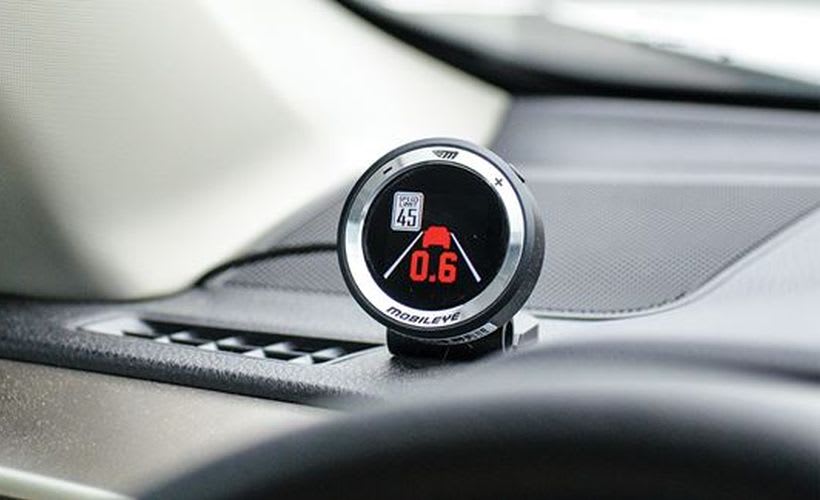
During a study of Mobileye and Geotab technology, drivers used turn signals more often and increased following distances after receiving alerts.

Photo courtesy of IIHS.

3 min to read


Retrofitting older vehicles with a collision warning system and a telematics device can significantly improve driver behavior and enhance safety, according to a new study from the Insurance Institute for Highway Safety.

Motorists demonstrated safer driving behaviors across the study period, according to the institute. For example, drivers used turn signals more often and increased following distances after receiving alerts. Speeding, however, did not change dramatically between the baseline and the alert periods.

Ad Loading...

The findings could be reassuring and serve as an added safety precaution for fleets that rely on older models.

For the study, 22 volunteers signed up to have their personal vehicles outfitted with a Mobileye aftermarket collision warning system, and 17 of them also agreed to have their driving monitored by a Geotab in-vehicle telematics unit.

The Mobileye package featured an in-vehicle display and included forward collision warning; urban forward collision warning, which operates at speeds below 20 mph; pedestrian collision warning; headway monitoring and warning, which measures following distance at speeds above 19 mph; lane departure warning; and a speed limit indicator, which displays the posted speed limit.

The thresholds for triggering the various crash warning alerts were fixed; drivers couldn't disable or customize alerts.

In a post-study survey, some 62% of the volunteers said the Mobileye system helped boost their safety behind the wheel. Drivers evaluated forward collision warning as the most useful system, followed by lane departure warning, headway monitoring and the speed limit indicator.

Ad Loading...

The study assessed driving behavior over two periods: a four week baseline when the systems were active, but did not issue alerts, and an eight-week period when the crash system alerts were continually issued.

During the baseline period, the telematics devices in equipped vehicles logged GPS locations, hard braking and cornering, travel speed and Mobileye alerts that would have been issued if the system were active.

Volunteers than drove for eight weeks receiving alerts and a weekly Mobileye "safety score."

Key findings include:

  • As drivers grew accustomed to the system between the baseline and alert periods, the rate of forward collision alerts decreased 45% among rural drivers and 30% among urban drivers.

  • The opposite was true for lane departure warning. Urban drivers saw a bigger decline—70%-- in the rate of alerts than the rural drivers (54%) between the baseline and treatment periods.

  • Warnings about following too closely also decreased. Headway alerts fell 63% for rural drivers and 39% for urban drivers between the baseline and treatment periods.

Ad Loading...

The IIHS points to one study takeaway of particular interest to fleet managers who use aftermarket collision warning systems and telematics devices to monitor driving performance.

"Fleet drivers who travel congested roads would be more likely to encounter situations that trigger forward collision and headway warnings than drivers who log more miles in sparsely populated areas," said Ian Reagan, a senior research scientist with IIHS and the author of the new study. "Their managers should take into account external factors such as traffic density when comparing drivers on safety measures across geographical regions."


More Safety

A person with hands on the steering wheel driving
Safetyby Judie NuskeyMay 15, 2026

The Distractions You Can’t Turn Off: What Drivers Face Outside the Vehicle

Fleet drivers face constant visual, cognitive, and environmental interruptions the moment they hit the road. From roadside chaos to mental fatigue and digital overload, today’s biggest driving risks often come from outside the vehicle itself.

Read More →
Hail covers the windshield and hood of a black vehicle with text overlay about FLASH Weather AI’s new hail prediction model.
Safetyby News/Media ReleaseMay 13, 2026

FLASH Weather AI Launches First Deep-Learning Hail Prediction Model With High-Resolution Forecasting

FLASH Weather AI has launched a first-of-its-kind hail prediction model capable of forecasting hail size and arrival time at 1-kilometer resolution up to 55 minutes ahead, giving fleets and insurers critical time to prepare for severe storms.

Read More →
Coca-Cola fleet executive smiling beside graphic text reading “Rolling Dollar Signs” about the company’s trucking and fleet strategy.
Safetyby Chris BrownMay 12, 2026

How Coca-Cola United Protects Its Fleet from Growing Legal Risk

As litigation risk rises, vehicles are increasingly targeted. This Coca-Cola bottler shares how it’s reducing exposure through driver training, technology, and a proactive risk management approach.

Read More →
Ad Loading...
Two trucking industry workers talk in front of semi-trucks beside text reading, “The issue isn’t lack of safety technology — it’s lack of alignment.”
SafetyMay 12, 2026

How to Speak the Same Language on Fleet Safety

Drivers, supervisors, and data often speak different safety “languages.” Getting on the same page will drive better results.

Read More →
pictures of a lock with the words Cybersecurity 101
Safetyby Jeanny RoaMay 11, 2026

Fleet Cybersecurity 101: What You Need from Your Technology Vendors

From identity management to third-party certifications, the right technology partner should make security easier to manage. Here are the three building blocks that fleet managers need to stay in control as connected systems scale.

Read More →
Chris Brown sits across from safety experft at Lifesaver mobile in an interview about distracted driving and phone use tech.
Safetyby Chris BrownMay 1, 2026

Reducing Risk by Eliminating Phone Use Behind the Wheel

Distracted driving remains one of the most persistent risks in fleet operations. New approaches focus on removing mobile device use entirely while adding real-time safety support.

Read More →
Ad Loading...
Safetyby Jeanny RoaApril 15, 2026

Distracted Driving in the Age of Smart Tech – Part 2

As distraction risks evolve, fleets are turning to smarter, more connected technologies to better understand what’s happening behind the wheel. Part 2 explores how these tools are helping identify risky behaviors and improve visibility across operations.

Read More →
Safetyby Jeanny RoaApril 11, 2026

 Data Rights, Risks, and Responsibilities After a Crash

What fleets capture to improve safety can also expose them in litigation, forcing leaders to rethink how data is managed, stored, and shared.

Read More →
Driver holding a phone while steering, illustrating distracted driving and the importance of mental awareness and attention on the road for fleet safety.
Safetyby Judie NuskeyApril 10, 2026

From Distraction to Detection: Strengthening Awareness in Fleet Drivers

Distracted driving is often measured by what we can see—phones in hand, eyes off the road. But what about the distractions we can’t? A recent incident raises a bigger question about awareness, attention, and why subtle risks so often go unnoticed.

Read More →
Ad Loading...
Safetyby StaffApril 8, 2026

Lytx 2026 Road Safety Report

While serious crashes are declining, a rise in minor incidents and ongoing risk hotspots underscore the need for continued fleet safety investment.

Read More →