




Too Soon to Regulate Autonomous Vehicles: NHTSA
As regulators, public safety advocates and automakers grapple with how to create a federal legal framework for the deployment of autonomous vehicles, the nation's top auto safety official has said it's premature to regulate self-driving vehicles.

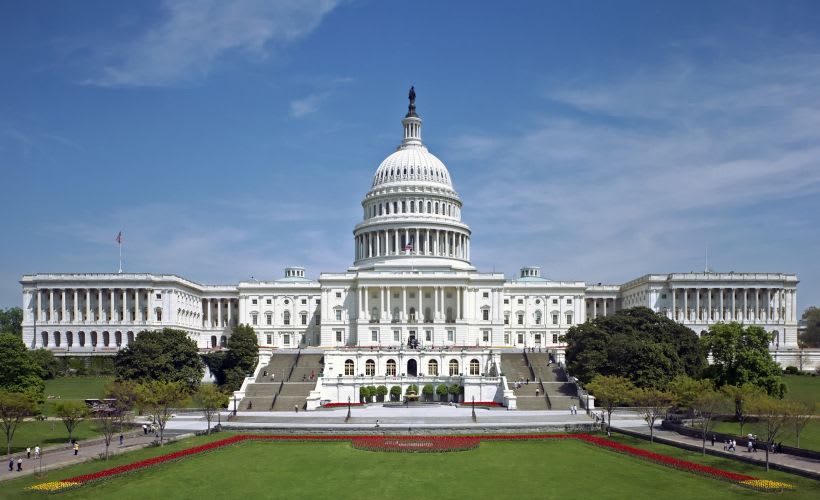
Federal safety regulators are delaying work on crafting guidelines for the testing and operation of autonomous vehicles on the nation's roads and pushing the issue back to states.
Photo via Ottojula/Wikimedia.
As regulators, public safety advocates and automakers grapple with how to create a federal legal framework for the deployment of autonomous vehicles, the nation's top auto safety official has said it's premature to regulate self-driving vehicles.
"At this point the technology is so nascent I don't think it is appropriate today to regulate this technology," Heidi King, deputy administrator of the National Highway Traffic Safety Administration (NHTSA), told Bloomberg. "It's not there yet, but each and every day we are open to identifying when the time is right."
While the agency appears to be taking a hands-off approach to creating rules for self-driving vehicles, the U.S. Transportation Department and several other stakeholders are searching for solutions that move regulatory control away from the states and place it at the federal level with an agreed upon set of standards.
A newly-released summary of March meetings involving the U.S. Transportation Department along with industry, labor and advocacy groups spotlights the social, safety and legal challenges surrounding the deployment of autonomous vehicles for public use, according to a report in Insurance Journal.
The report notes that, according to the Transportation Department, policymakers will have to come to grips with solutions for "10 to 15 key questions."
These include how to integrate autonomous vehicles with public safety officials; defining requirements around privacy or cyber security; and how to address concerns about self-driving vehicles from the disabled and senior communities, reports Insurance Journal.
In addition, experts in the March meeting noted that autonomous vehicles have the ability to self-report crashes and ultimately, provide data that could improve response to emergency situations. Determining whether or not autonomous vehicles will be mandated to report that data is another issue that remains unresolved.
While automakers such as Waymo and General Motors are currently testing self-driving vehicles and gearing up to deploy them on public roads, the process of developing a federal legal framework for these vehicles is sluggish at best.
Moreover, after an Uber self-driving car struck and killed a pedestrian in March, Congress has stalled legislation that would smooth the way for the deployment of autonomous vehicles without human safety operators.
Related: Interim NHTSA Chief Nominated to Lead Agency
More Safety
What’s Next for Fleet? Safety, AI & Industry Recognition | AF News Recap
Could your company's culture be encouraging distracted driving? This week, we're exploring how workplace expectations affect driver safety, what AI, EVs, and autonomous vehicles could mean for the future of fleet management, and how fleet professionals can strengthen their award nominations.
Read More →
Does Your Fleet's Culture Encourage Distracted Driving?
What happens when the people responsible for enforcing safety rules are the ones setting the wrong example? The answer may reveal why some of the biggest risks to fleet drivers have little to do with what's written in the employee handbook.
Read More →
Fleet Manager’s Ultimate Playbook: Navigating the New Standard in OEM Connectivity
Rising operating costs, driver safety concerns, and unplanned downtime are putting unprecedented pressure on modern fleets. Discover how fleet managers use embedded OEM connectivity and real-time vehicle data to cut TCO, prevent downtime, and protect drivers without aftermarket telematics hardware.
Read More →
From Driver Well-Being to EV Charging | AF News Recap
Mental health belongs in the fleet safety conversation. This week, we’re looking at five ways fleets can support employee well-being before a crisis, plus Holman’s expansion in Mexico, new one-day Fleet Forward passes, and why EV charging demand is outpacing infrastructure growth.
Read More →
Nexar-Nauto Merger Aims to Give Fleets Better Safety Intelligence Through Larger Driving Dataset
Stefan Heck tells Automotive Fleet that combining more than 10 billion miles of driving history with Nexar's AI models will give fleets deeper insights into driver risk and roadway conditions than either company could provide independently.
Read More →
Don't Wait for a Crisis: 5 Ways to Build Mental Health Into Your Fleet Safety Program
For Suicide Prevention Month, fleet and safety leaders have an opportunity to put mental health where it belongs: at the center of workplace safety.
Read More →
How Camera Data Can Strengthen a Fleet’s Insurance Renewal
Insights from a commercial insurance carrier and a broker show how fleets can turn video telematic data, driver coaching, and improved claims results into a stronger case at insurance renewal.
Read More →
The Safest Fleets Aren’t the Ones with the Most Technology
You’ve made the telematics investment. Here’s how to capture the other half of its value and build the safest fleet on the road.
Read More →
Hidden in Plain Sight: Fleet Compliance Risks
Fleet compliance isn't just about having policies — it's about consistently enforcing them. This practical guide reveals six hidden compliance risks common in public sector and shared fleet operations and outlines proven strategies to improve visibility, accountability, and audit readiness
Read More →
NETS Sets 2026 Fleet Safety Benchmark Conference for Indianapolis
The Sept. 15–17 program will feature fleet benchmarking data, case studies, emerging technologies, and implementation strategies while running alongside the NSC Safety Congress & Expo.
Read More →