




Feds Offer Exclusion from Tariffs on Steel and Aluminum
The Department of Commerce has outlined a process that would allow individual American businesses to apply for an exclusion from the tariffs on imported steel and aluminum recently enacted by the Trump administration.
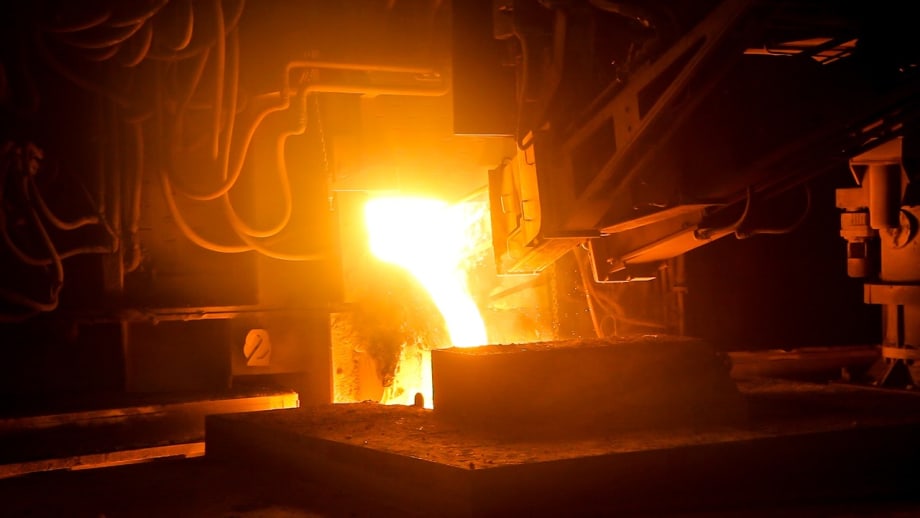
American businesses may apply for an exclusion through the Commerce Department from the recently enacted tariffs on imported steel and aluminum. Photo: Creative Commons
The Department of Commerce Department has outlined a process that would allow individual American businesses to apply for an exclusion from the tariffs on imported steel and aluminum recently enacted by the Trump administration.
Businesses may submit requests to the Office of the Secretary of Commerce for an exclusion if the affected parties can argue that the the U.S. can’t produce enough needed steel or aluminum materials or those are not able to be produced to the quality needed. There can also be exclusions based on specific national security considerations.
All exclusion requests or objections to submitted exclusion requests will be made publicly available, unless the requests are subject to government-imposed access restriction or other national security controls, such as classified information.
The Motor and Equipment Manufacturers Association, a trade group that includes the Heavy Duty Manufacturers Association, took issue with the fact that only individual companies and organizations may apply for the exclusions and is urging the Trump administration to allow trade associations to apply on behalf of members.
MEMA has publicly opposed President Trump’s tariff plan, saying in a statement, “The burden of these tariffs, as always, will be passed on to the American consumer.”
On March 8, Trump signed an executive order that placed a 25% tariff on imported steel and a 10% tariff on imported aluminum that is scheduled to go into effect on March 23. Imports from Canada and Mexico will initially be exempted from the tariffs and the order left the door open for exemptions for other countries in the future.
The tariffs were strongly opposed by many groups in the U.S. over fears of increased prices and the possibility of a trade war with other countries that could affect the prices and availability of other imports and exports. White House Chief Economist Gary Cohn reportedly clashed with the president over the matter, ultimately deciding to resign because of it.
On March 18, a letter signed by 45 trade associations, including the Auto Care Association. representing a range of major companies urged the president not to impose tariffs on U.S. imports from China. The Washington Post reported that the U.S. was preparing to impose $60 billion in annual tariffs against Chinese products to combat the trade deficit between the two countries. China is the largest U.S. trading partner, importing more than $460 billion annually.
In the letter, the trade groups argue that the steep tariffs would “trigger a chain reaction fo negative consequences for the U.S. economy, provoking retaliation; stifling U.S. agriculture, goods, and services exports;and raising costs for businesses and consumers.”
While the trade groups agree with the president that China has propagated unfair trade practices and policies, it believes that the tariffs will only harm American businesses, workers, and investors.
More Operations
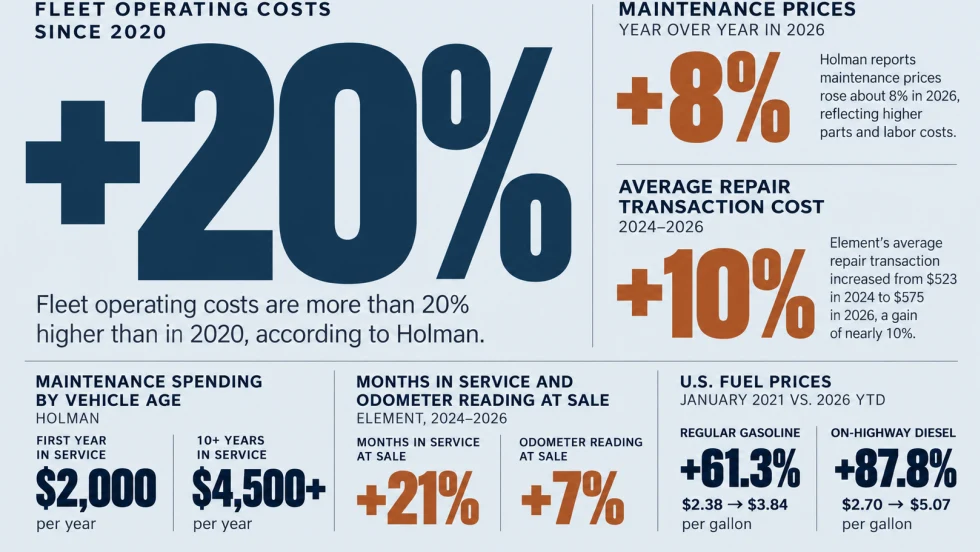
Managing Fleet Costs in an Era of Permanent Volatility
Fleet operating costs have risen more than 20% since 2020, raising a key question: When does extending a vehicle's service life stop making financial sense?
Read More →
The Next Evolution of Fleet Management: Autonomous Operations
This opening keynote session at the Fleet Forward Conference highlights the future of autonomous driving for fleets.
Read More →
How to Reduce the Total Cost of Risk From Catalytic Converter Theft
A stolen catalytic converter can cost fleets far more in downtime and lost productivity than in repairs. A total-cost-of-risk approach can help fleet managers quantify their exposure and prioritize theft prevention.
Read More →

Personal-Use Charges Rise as Vehicle Values Fall | AF News Recap
Personal-use charges are climbing, wholesale used-vehicle values are declining, and commercial fleet sales growth is slowing. This week, we're breaking down the latest fleet data, plus how Element Fleet Management is helping Waymo prepare for its first Canadian robotaxi market.
Read More →
Here's When You Should Make an Exception to Fleet Policy
Fleet policies are designed to create consistency, but not every driver or situation fits neatly within standard rules.
Read More →
AI-Native or AI-Acquired: What Should Fleet Managers Look for in an AI Platform?
Six questions can help fleet managers look beyond AI marketing claims to evaluate integration, data access, and real-world operational performance.
Read More →
A buyer's guide to fleet management software in 2027
Buying fleet management software in 2027 means looking beyond features and price. As fleet operations, technology and expectations evolve, this guide explores what today’s fleet professionals should consider when choosing a system that can deliver value now and adapt to what comes next.
Read More →
What Will Shape the Next Era of Fleet Management?
EVs, AI, and autonomous vehicles are reshaping fleet management. Discover what’s ahead—and how fleet leaders can prepare for the next era.
Read More →
How Fleets Can Recruit and Train Veterans for Technician Roles
Here's how the technician shortage has affected uptime for fleets, and what to do about it.
Read More →
Avis Budget Group Deploys Neology Toll Management Technology Across Major Brands
Neology’s neoFleet platform will manage toll transactions and toll-authority operations for vehicles across Avis, Budget, Payless, Budget Truck and Zipcar.
Read More →