




8 Myths About GPS Vehicle Tracking
Objections to implementing GPS systems are based on myths concerning their value, ease of use, cost, and function. These assumptions have been countered by real-world experience.

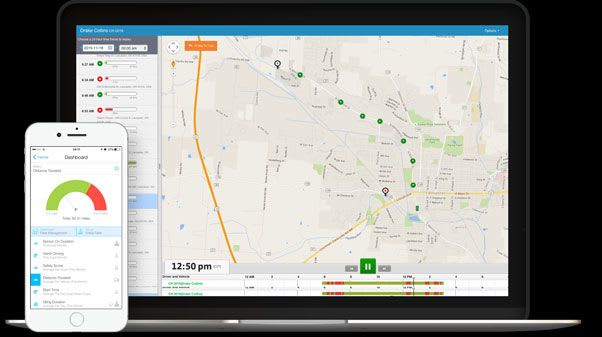
GPS tracking systems can go far beyondsimply monitoring driver behavior.
Photo: Verizon Connect.
The common objections to implementing GPS tracking capabilities in a fleet are all based on reasonable assumptions — but, the actual experience users have had with this technology tells a much different, and more encouraging, story.
Each “myth” listed here is followed by a response based on actual user experience, drawing from data that Navtrak*, a GPS services provider, and independent third-party research collected.
*Editor's note: Since this article was originally published, Navtrak has since been merged and acquired and is now under the Verizon Connect umbrella.
MYTH 1: GPS tracking is 'Big Brother'
GPS tracking is not about monitoring employees’ every move. It’s about reducing operating costs and inefficiencies in the field. GPS tracking systems have proven to reduce fuel and maintenance costs, increase routing and dispatching efficiency, provide safety and security for drivers, and increase response speed and accuracy to customer questions.
MYTH 2: Drivers will quit if we get GPS tracking
Experience with thousands of customers contradicts this belief. In fact, once field employees gain experience with GPS tracking, they depend on it for routing information, roadside assistance, verification of work performed on time, etc. In many cases, GPS tracking eliminates time-consuming paperwork and provides additional security for both drivers and cargo while on the road.
“Our guys have adapted very well to the system. We didn’t have anybody leave, and now the drivers are starting to realize the benefits of the system for them,” said Clay Phillips, president, Ross & Witmer HVAC, Charlotte, N.C.
MYTH 3: GPS systems are complicated to install and use
Most fleet GPS tracking systems comprise the same basic components: a GPS receiver installed in each vehicle and a user interface that organizes and displays gathered information. Both installation and use of these systems are simple.
A reputable, experienced GPS tracking vendor works with fleet managers to:
Implement the fleet management solution as seamlessly as possible.
Interpret system data and apply it to improve operational efficiencies.
Provide knowledgeable, accessible technical and sales support to cover service issues.
MYTH 4: GPS tracking is unnecessary.
Though useful as communication tools, cell phones/handhelds cannot provide information useful to fleet managers: real-time vehicle location, engine status, history of stops and stop times, and other valuable metrics, such as mileage, fuel consumption, or speeding patterns. Cell phones and handhelds can be turned off easily, not carried in the vehicle, dropped/damaged, etc. Even when cell phones are functioning correctly, they track people rather than mobile assets.
“With handheld GPS cell phones, we were unable to track vehicles. We had some instances where employees would just simply turn the phones off. If the phone is turned off, you can’t track the trucks. The system becomes totally ineffective,” said John Boucher, founder & owner, Boucher Real Estate Co., Woonsocket, R.I.
MYTH 5: All GPS tracking systems are essentially equal.
“If you can tell me where all my vehicles are at any moment and can give me information about their daily activities, that’s good enough for me.” That demand sounds reasonable enough on the surface, but the business-enhancing potential of GPS systems for fleet management goes well beyond tracking dots on a map. Most GPS tracking service users realize the full impact of the gathered information only after regular use.
Many providers simply set up basic GPS tracking capabilities, but don’t commit to helping customers leverage this powerful technology to transform the way they do business. When evaluating GPS tracking providers, determine how much interest each has shown in learning about the customer’s business and specific requirements and goals.
This myth does contain an element of truth, however. Technology is not the most important criterion in choosing a GPS tracking service provider. Experienced users know the relationship with the provider over the course of the service contract is where value truly lies.
“We started using the technology about five years ago, but quickly became unhappy with the system we had purchased. Once we had bought it, we had to maintain everything. It became clear that we needed a more capable and sophisticated GPS partner,” said John Doyle, director of technology & communications, Alure Home Improvements, Inc., Plainview, N.Y.
MYTH 6: A GPS tracking system is just another product.
GPS tracking should not be viewed as a product. Rather, it is a service to which a fleet subscribes — a service that delivers information a fleet manager lacks the means to collect, but helps increase the company’s overall productivity and profitability.
All GPS tracking vendors ask customers to sign a service agreement, typically for three to four years. So the question is which vendor does the fleet manager trust to help manage the company’s mobile assets for the next several years? Service is the crucial factor when it comes to effective GPS fleet tracking.
MYTH 7: My company can’t afford a GPS tracking system.
Cost is an understandable concern. GPS tracking systems typically require an investment in hardware for each vehicle and a monthly fee for data and wireless services. However, these systems identified inefficiencies and practices in the field that already cost companies hundreds, or even thousands of dollars every month: excess overtime, inefficient routing, side trips, excess engine idling, reckless driving, etc.
The cost of these inefficiencies often exceeds the monthly investment required for a GPS tracking service. Most fleets achieve a return on investment within the first few months of using the system, due to savings in overtime costs, fuel expenditures, lower insurance premiums, reduced vehicle maintenance, and more.
MYTH 8: GPS tracking is an unproven technology.
GPS technology itself (the ability to locate and track objects at any time and in real-time using satellites and wireless communications) has been used effectively for decades. The core technology is now prevalent throughout the consumer market with such popular brands as Garmin and TomTom.
In commercial applications, GPS systems’ effectiveness in increasing productivity and reducing operational costs has been well-documented by reputable third-party sources.
More Telematics

Element Expands Waymo Partnership to Support Toronto Robotaxi Fleet
As Waymo prepares to enter the Canadian market, Element Fleet Management will oversee the fleet operations supporting its planned Toronto launch. The partnership highlights the maintenance, charging, and infrastructure requirements behind operating autonomous vehicles at scale.
Read More →
GM Launches OnStar Fleet Intelligence Platform With AI Assistant
The new platform brings vehicle data, order tracking, connected services and fleet analytics into one system, with an AI assistant that can answer fleet questions using natural-language prompts.
Read More →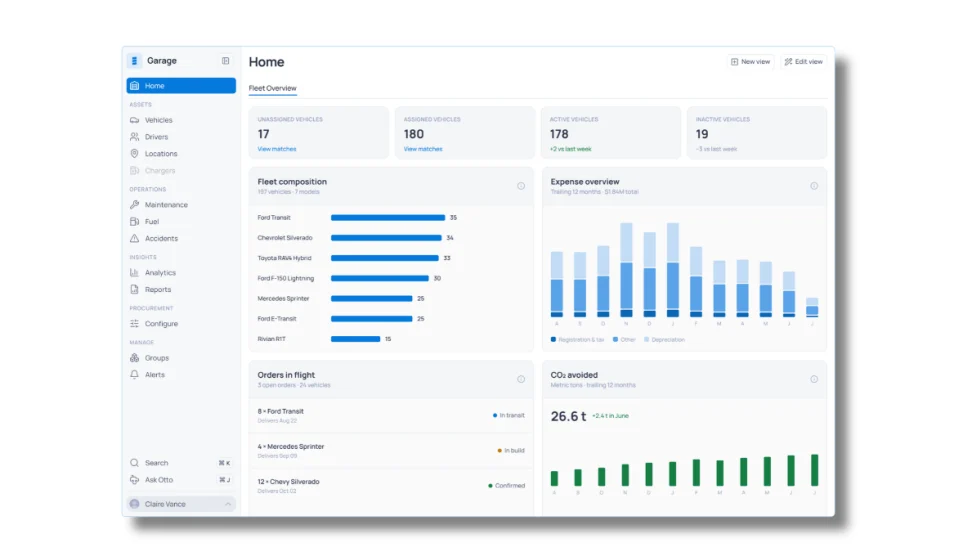
Inspiration Fleet Introduces Garage 2.0 Fleet Intelligence Platform
Fleet managers increasingly have access to data from vehicles, telematics, fuel, charging, and other systems, but those sources don't always communicate with one another. Inspiration Fleet's Garage 2.0 platform brings that information together while letting fleets keep working with different technology and service providers.
Read More →
Inside Inspiration Fleet’s New Platform for Connecting Fleet Data
Inspiration Fleet CTO Chris Getner explains how the new Garage 2.0 platform is designed to connect disparate fleet data and what that could mean for fleet managers in practice.
Read More →
Fleet Manager’s Ultimate Playbook: Navigating the New Standard in OEM Connectivity
Rising operating costs, driver safety concerns, and unplanned downtime are putting unprecedented pressure on modern fleets. Discover how fleet managers use embedded OEM connectivity and real-time vehicle data to cut TCO, prevent downtime, and protect drivers without aftermarket telematics hardware.
Read More →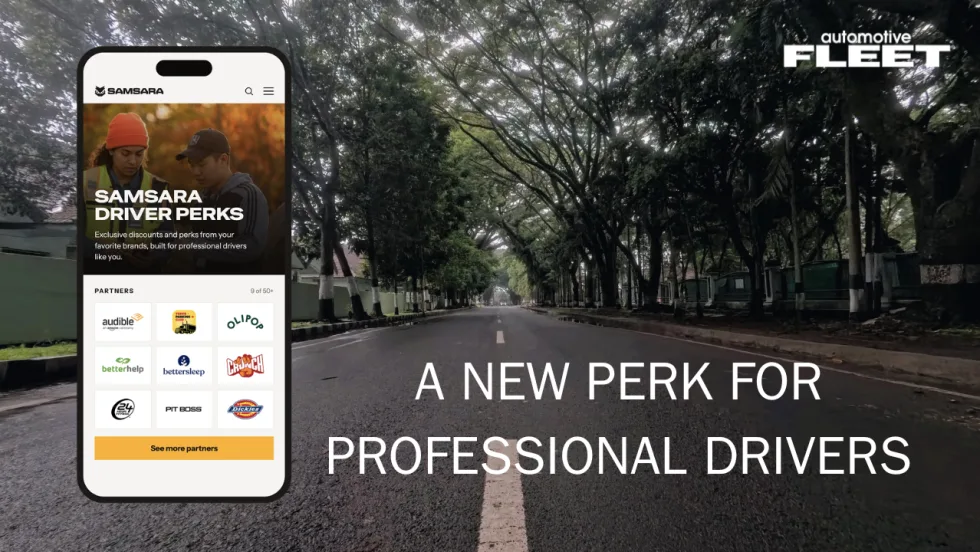
Samsara Driver Perks Adds New Benefit for Corporate Fleet Drivers
The rewards program gives eligible professional drivers access to discounts from more than 50 brands while giving fleets another way to support recruitment, retention, and the driver experience.
Read More →
Inside the Church of Jesus Christ of Latter-day Saints’ Two-Track Telematics Strategy
With 20,000 vehicles and two fundamentally different driver populations, the Church faced a fleet management problem that a single telematics program couldn't solve. How it responded offers a replicable framework for any fleet where one size doesn't fit every driver.
Read More →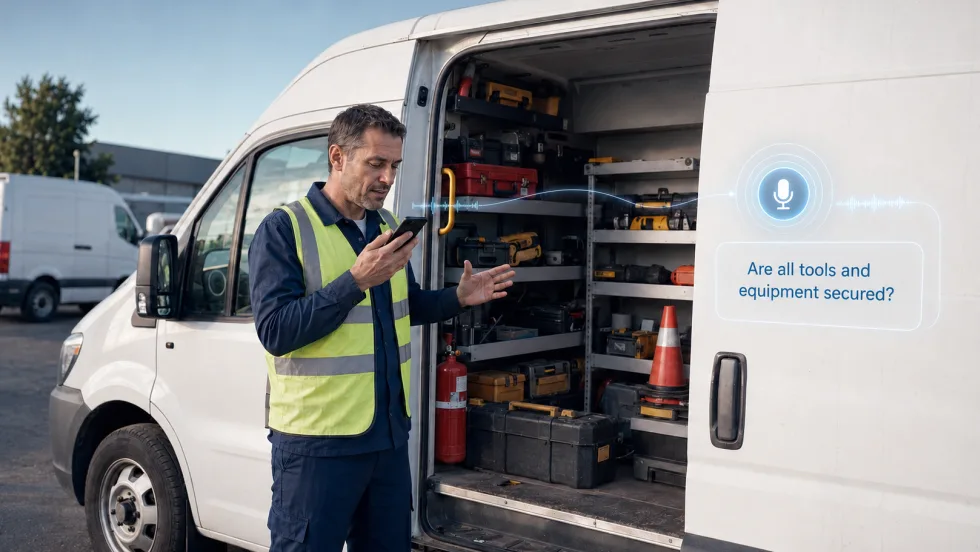
How Conversational AI Can Make Fleet Tasks Easier for Drivers
While most generative AI tools help fleet managers interpret data at their desks, Connex2X is applying voice interaction to tasks behind the wheel.
Read More →
Why Fleets Are Creating Dedicated Fleet Analyst Positions
Are fleet analyst positions the new norm? Listen here to find out.
Read More →
Teletrac Navman Begins Next Chapter as Standalone Private Company
What's new with Teletrac Navman and its new owner?
Read More →