




Is the In-House Fleet Manager Still Relevant?
The general trend to outsourcing all but core business functions may appear to reduce the importance of corporate fleet managers, but in reality they remain critical members of a fleet management ‘partnership.’

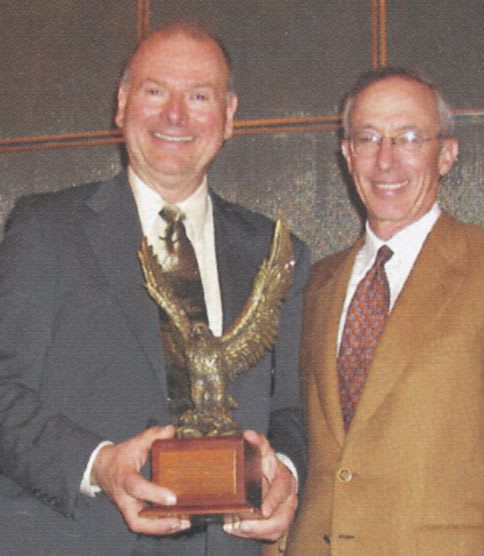
Paetzel (left) with Wheels president Jim Frank.
Paetzel (left) with Wheels president Jim Frank.
As companies continue to outsource everything from the mailroom to engineering functions, including fleet operations, will the role of in-house fleet manager - like that of Henry Paetzel of General Mills, Automotive Fleet's 2004 Professional Fleet Manager of the Year - remain relevant and valuable?
Absolutely, according to Jim Frank, president and CEO of Wheels Inc., a fleet management company based in Des Plaines, III. Frank, whose 65-year old company manages 240,000 vehicles worldwide, believes the corporate fleet manager and fleet management firm form a collaborative partnership.
"The fleet management companies have been doing so much more in terms of the daily transactional functions that the success of the total fleet program becomes highly interdependent. The fleet manager cannot be successful without the fleet management company executing well. And at the same time, the fleet management company is highly dependent on the fleet manager to be successful. We rise and fall in the same boat," Frank explains.
The in-house fleet manager is vital precisely because she or he is "in the house," a company staff member who "knows the culture, understands the goals and objectives," says Frank. "They help translate that to us. And that is no small task."
Creating "exactly the right combination" of programs and services to meet a particular company's unique fleet goals (e.g., cost savings, productivity enhancements, increased earnings) is "impossible to do from the outside. You need someone there who's really coaching and helping us build the policies and develop the programs that will make the customer successful," Frank notes.
Implementation is the other "critically important" in-house fleet management function. "We find that we can produce really good ideas, but implementation is the hard part," says Frank. Whether it's a safety program or changing the new-vehicle selector, "We need help in selling those programs. It takes knowing the people, knowing who can make the decisions, and all the kinds of things required to make things happen in large organizations."
The evolving nature of fleet manager from day-to-day operations administrator to strategic manager is important for the in-house and management firm partnership in facing what Frank predicts will be a "sea-change" in the industry over the next few years. He sees a "dramatic move to substantially greater flexibility, sensitivity, and responsiveness on the part of fleet programs to the changing environment." Driven by a "much more flexible" marketplace and technology that now facilitates rapid change and better decision-making, this transformation will require an in-house manager who "can get things done, who can be more flexible. Someone who can communicate to the organization 'we don't run fleet by fixed policy anymore. We run it by strategy.' The whole concept of who a fleet manager is, what they do, and how they do their job will rise to another level," Frank concludes.
More Operations

How Fleets Can Recruit and Train Veterans for Technician Roles
Here's how the technician shortage has affected uptime for fleets, and what to do about it.
Read More →
Avis Budget Group Deploys Neology Toll Management Technology Across Major Brands
Neology’s neoFleet platform will manage toll transactions and toll-authority operations for vehicles across Avis, Budget, Payless, Budget Truck and Zipcar.
Read More →
Fleet Personal-Use Charges Edge Higher in 2026
Nearly eight in 10 surveyed fleets allow personal use of company vehicles, while just over half of respondents report charging employees for the privilege.
Read More →
The Future of Fleet + What’s Changing Right Now | AF News Recap
Could developments overseas offer a preview of what’s coming for U.S. fleets? This week, we’re looking at the future of AI, autonomy, and electrification, plus Ford Pro’s new certified pre-owned program, smarter vehicle offboarding, and a new way for fleets to manage toll expenses.
Read More →
How to Handle Vehicle Offboarding
What do fleet managers need to do when a driver leaves?
Read More →
Fleet Manager’s Ultimate Playbook: Navigating the New Standard in OEM Connectivity
Rising operating costs, driver safety concerns, and unplanned downtime are putting unprecedented pressure on modern fleets. Discover how fleet managers use embedded OEM connectivity and real-time vehicle data to cut TCO, prevent downtime, and protect drivers without aftermarket telematics hardware.
Read More →
U.S. Bank Adds Verra Mobility Toll Management to Voyager Fleet Platform
The integration allows U.S. Bank Voyager fleet customers to manage toll payments and violations alongside fuel, EV charging and maintenance expenses.
Read More →
ADAS Prevents Crashes. But Repairs Cost More | AF News Recap
ADAS-equipped vehicles may crash less often, but they can cost more when they do. This week, we’re breaking down what that tradeoff means for fleets, plus Subaru’s first Forester Wilderness Hybrid, Nissan’s new e-POWER Rogue, and why Calstart has become Catalyst Mobility.
Read More →
Moventum Fleet Management Names Mark Iorillo Head of Sales
Iorillo brings nearly 20 years of fleet management and sales experience to the role, including previous positions at Element Fleet Management, CEI, Donlen and Ryder.
Read More →
Fleet Has a Talent Pipeline Problem. What Comes Next? | AF News Recap
Where will fleet’s next generation of leaders come from? This week, we’re looking at the industry’s talent pipeline, what certification can add to a fleet career, how to build an award-worthy track record, and the return of Automotive Fleet’s Personal Use Survey.
Read More →