




Trump's EPA Expands Review of Obama's Mileage Rules
The Trump administration is reopening a federal review of Obama-era fuel economy rules covering the 2022 to 2025 model years, and expanding the review to include the 2021 model year signed into law in 2012.


Photo of Scott Pruitt via Gage Skidmore/Flickr.

Photo of Scott Pruitt via Gage Skidmore/Flickr.
The Trump administration is reopening a federal review of Obama-era fuel economy rules covering the 2022 to 2025 model years, and expanding the review to include the 2021 model year signed into law in 2012.
The Environmental Protection Agency has reopened its midterm review that was finalized in the waning days of the Obama administration, the agency announced Thursday. The National Highway Traffic Safety Administration has also said it will reconsider civil penalties for automakers that are unable to meet the Corporate Average Fuel Economy standards.
The moves allow the agencies to begin taking public comment on the matter. The agency would begin accepting comments on the 2021 model year, by which automakers to meet a combined average of 41 miles per gallon under current rules.
The agencies will accept comments for 45 days on model years beyond 2020.
"We are moving forward with an open and robust review of emissions standards, consistent with the timeframe provided in our regulations," said EPA Administrator Scott Pruitt. "We encourage the public to submit the best-available and most up-to-date information, so that we can get back on track with what the regulation actually requires of the agency. Finally, we are working with DOT to ensure that our standards are ultimately aligned."
The move may have a limited impact in California, which was granted a federal waiver under the Clean Air Act to set and maintain its own more stringent emissions rules. The California Air Resources Board hasn't released a statement about the move.
A possible loosening of the rules could abate price increases of new vehicles that have been driven by engineering choices such as light-weighting and emission-control software. One estimate puts the cost of those initiatives as $2,000 per vehicle, reports the Detroit News.
The review comes amid an environment of low fuel prices and increasing popularity of larger vehicles such as trucks and SUVs. Whatever decision is ultimately made will likely filter down to commercial fleets, said Dan Hannan, executive director of product and services for Merchants Fleet Management.

Hannan
"The review of the standards leaves the window open for replacement of those standards and they may go down," Hannan said. "If the targets stay in place or rise, OEMs need to continue focus on developing smaller lighter vehicles. For some service fleets this has resulted in shorter life cycles due to wear and tear of the application. I could see the targets being lowered, which could reintroduce larger vehicle options. The cargo van and light truck sector has seen a great deal of movement in this area. Clearly fuel consumption and the vehicles cap cost can shift accordingly."
Consumer groups criticized the move as wasteful and ineffectual. Jack Gillis, the Consumer Federation of America's director of public affairs, called the move "a colossal waste of money" during a conference call with reporters. Gillis said 85% of new vehicles meet current standards.
Shannon Baker-Branstetter, policy counsel of Consumers Union, said the current standards are "good for consumers and reasonable for the automakers." She also said the review isn't necessary.
"By reopening the midterm review, EPA is bringing up questions that have already been answered," she said. "The standards to 2025 are reasonable and achievable."
The standards apply to light-duty vehicles that weigh less than 8,500 pounds, which would apply to some Class 3 trucks. Most cargo vans would be required to meet the standards.
In a related move, on July 12, NHTSA published a notice in the Federal Register that it would reconsider civil penalties against automakers who can't meet the standards.
More Operations
Managing Fleet Costs in an Era of Permanent Volatility
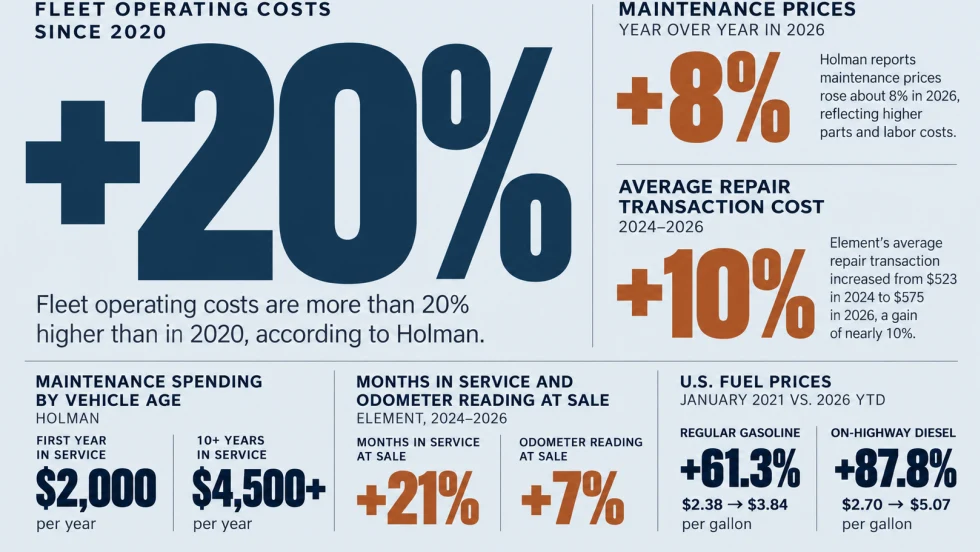
Fleet operating costs have risen more than 20% since 2020, raising a key question: When does extending a vehicle's service life stop making financial sense?
Read More →
The Next Evolution of Fleet Management: Autonomous Operations
This opening keynote session at the Fleet Forward Conference highlights the future of autonomous driving for fleets.
Read More →
How to Reduce the Total Cost of Risk From Catalytic Converter Theft
A stolen catalytic converter can cost fleets far more in downtime and lost productivity than in repairs. A total-cost-of-risk approach can help fleet managers quantify their exposure and prioritize theft prevention.
Read More →

Personal-Use Charges Rise as Vehicle Values Fall | AF News Recap
Personal-use charges are climbing, wholesale used-vehicle values are declining, and commercial fleet sales growth is slowing. This week, we're breaking down the latest fleet data, plus how Element Fleet Management is helping Waymo prepare for its first Canadian robotaxi market.
Read More →
Here's When You Should Make an Exception to Fleet Policy
Fleet policies are designed to create consistency, but not every driver or situation fits neatly within standard rules.
Read More →
AI-Native or AI-Acquired: What Should Fleet Managers Look for in an AI Platform?
Six questions can help fleet managers look beyond AI marketing claims to evaluate integration, data access, and real-world operational performance.
Read More →
A buyer's guide to fleet management software in 2027
Buying fleet management software in 2027 means looking beyond features and price. As fleet operations, technology and expectations evolve, this guide explores what today’s fleet professionals should consider when choosing a system that can deliver value now and adapt to what comes next.
Read More →
What Will Shape the Next Era of Fleet Management?
EVs, AI, and autonomous vehicles are reshaping fleet management. Discover what’s ahead—and how fleet leaders can prepare for the next era.
Read More →
How Fleets Can Recruit and Train Veterans for Technician Roles
Here's how the technician shortage has affected uptime for fleets, and what to do about it.
Read More →
Avis Budget Group Deploys Neology Toll Management Technology Across Major Brands
Neology’s neoFleet platform will manage toll transactions and toll-authority operations for vehicles across Avis, Budget, Payless, Budget Truck and Zipcar.
Read More →