




2017 Ford Super Duty Pickups to Use F-150 Aluminum Cabs
The change to high-volume F-150 cabins cuts costs and weight, and adds interior room for SuperCab and SuperCrew buyers.

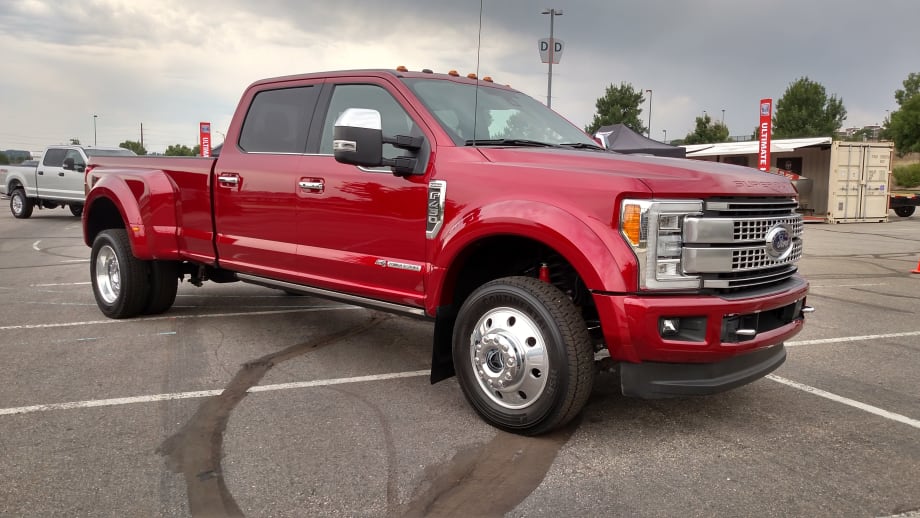
Like all new SuperDuty pickups, this F-450 SuperCrew has an aluminum cab, front fenders, hood and cargo bed. Photos by Tom Berg.
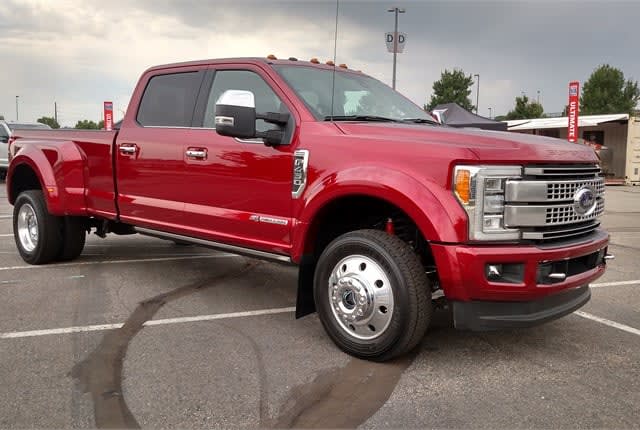
Like all new SuperDuty pickups, this F-450 SuperCrew has an aluminum cab, front fenders, hood and cargo bed. Photos by Tom Berg.
Ford's 2017 SuperDuty pickups and chassis-cab models will come with more engine power and torque and advanced electronic features, as previously reported, but they'll also share their cabins with the popular F-150 pickup – something not done for more than 20 years.
At a launch event in Denver on Tuesday, Ford executives said that combining the cabs yields economies of scale, because the F-150 is one of the most popular vehicles of any kind in the United States and its three cab types are produced in great volume.
The change also provides more interior room for Super Duty models, because F-150 cabs were enlarged and updated with aluminum construction several years ago. By adopting those cabs, the ’17-model F-250 through 550 SuperCabs and SuperCrews will be several inches longer than now. Also like the F-150, cargo beds, front fenders and hoods will also be aluminum.
Since the mid 1990s, SuperDuty trucks have had bodies separate from the F-150, executives explained. At first SuperDuties kept the old cabs originally used in the 1970s; then about seven years later they got new, slightly larger cabs – in steel as they’d always been – and used those through the current 2016 model year.
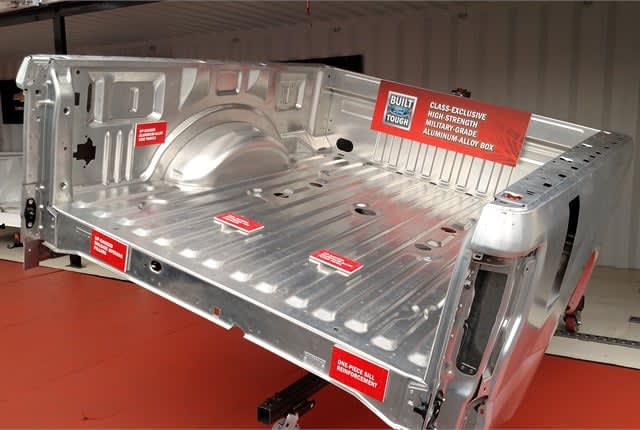
Aluminum cargo bed is stronger and lighter than steel, Ford says. Photo by Tom Berg.
Going to aluminum saves as much as 750 pounds for the largest F-150, but weight savings for a SuperDuty will be 350 pounds at most compared to current models, executives said. Light-weighting could’ve been greater, but engineers added beef to the new SuperDuty frames, which are made of mild and high-strength steel.
Among other changes, each of the heavier frames got at least three extra crossmembers, and with fully boxed main rails a SuperDuty frame is now 24 times stiffer.
The Ford event continues on Wednesday, and a more complete report on features and driving impressions will appear later on Truckinginfo.com.
More Operations
Company Vehicle or Reimbursement? How Fleets Are Rethinking Assignments
As fleet costs and insurance pressures rise, fleet managers are taking a closer look at which employees need company-provided vehicles and when a reimbursement program may make more sense.

Fleetio, ASE Launch Scholarship Program for Automotive Technicians
The second annual program will award 15 scholarships totaling $35,000 to support ASE certification, testing fees, and equipment costs.

Reading the Global Signals: What AI and the Energy Transition Mean for Fleets Now
In this opening keynote of the 2026 Fleet Forward Conference, John Rossant, founder of CoMotion, How can fleet managers navigate a never-ending, changing industry landscape?

90% Use Telematics. Are Fleets Getting Safer? | AF News Recap
This week, we're breaking down which industries have the highest rates, how Jamie McKay manages 2,400 vehicles, what's happening with the 2027 fleet awards, and why software-defined vehicles could introduce new costs.

What's Best Handled by an FMC, and What's Better Done Directly?
Fleet managers continue to rely on FMCs for essential services but are taking a closer look at where working directly with suppliers can improve efficiency and responsiveness.

Fleet Meets: Erin Gilchrist
Meet Erin Gilchrist, the inaugural Mike Antich Spirit of Fleet Award winner, as she shares insights on leadership, mentorship, the power of industry connections, and why people remain at the heart of fleet's future.

How 2026 Fleet Visionary Jamie McKay Manages 2,400 Vehicles Across 37 States
How do you keep 2,400 vehicles running across 37 states? Fleet Visionary Award winner Jamie McKay shares how collaboration, flexibility, and a few simple strategies help her tackle fleet management challenges at Aptive Pest Control.

Managing Fleet Costs in an Era of Permanent Volatility
Fleet operating costs have risen more than 20% since 2020, raising a key question: When does extending a vehicle's service life stop making financial sense?

The Next Evolution of Fleet Management: Autonomous Operations
This opening keynote session at the Fleet Forward Conference highlights the future of autonomous driving for fleets.

How to Reduce the Total Cost of Risk From Catalytic Converter Theft
A stolen catalytic converter can cost fleets far more in downtime and lost productivity than in repairs. A total-cost-of-risk approach can help fleet managers quantify their exposure and prioritize theft prevention.