




Shuster Maps Passage of Highway Bill
The Chairman of the House Transportation and Infrastructure laid out the long and winding road ahead for passage of a multi-year highway bill by both chambers of Congress.


Rep. Bill Shuster addressing ATA meeting in Philadelphia on Oct. 19. Photo: Evan Lockridge

Rep. Bill Shuster addressing ATA meeting in Philadelphia on Oct. 19.Photo: Evan Lockridge
PHILADELPHIA – The Chairman of the House Transportation and Infrastructure Committee laid out the long and winding road ahead for passage of a multi-year highway bill by both chambers of Congress in his address here on Oct. 19 to the American Trucking Associations' Management Conference & Exhibition.
“A priority for me as [T&I Committee] chairman has been getting a long-term highway bill passed,” said Rep. Bill Shuster (R-PA), whose committee will mark up just such a House bill on Oct. 22.
He said a driving force in putting together the new $325-billion, six-year funding bill—officially the Surface Transportation Reauthorization and Reform Act of 2015 (STAA)— has been “the partnering” that has occurred with industry stakeholders to ensure that reforms of safety regulations sought by trucking interests will be addressed in the massive package.
Shuster also praised the bipartisan efforts of committee members that “found the common ground to move forward with this bill.” In particular, he saluted Rep. Peter DeFazio D-OR), the Ranking Member of T&I, for “being a good partner, even if we don’t always see eye to eye.”
Pointing out that the multi-year bill will “provide certainty of funding” for planning highway projects, Shuster assured the audience that the House Ways and Means Committee has been “working diligently” in tandem behind the scenes to come up with six years of funding for the programs the T&I bill will authorize.
As for the sausage-making yet to come, he stated that Ways and Means Chairman Rep. “Paul Ryan [R-WI] and I thought it best to put this bill out there and later put pressure on the Senate in conference [to iron out what’s different from the Senate highway bill]. We’ll formally introduce the bill this week to the [T&I] committee this week and get it to the floor of the House next week.”
All that being said, Shuster quickly admitted that given that the current spending patch for transportation funding expires on Oct. 29, “most certainly we will have to pass another short-term extension. Butt that will give us more time to get our long-term bill through the conference process with the Senate.”
Shuster added that, yes, there are differences between the new House and the existing Senate highway bills— adding that there are “some things I like in theirs and some I do not.”
He also called on trucking and other transportation stakeholders “to keep pushing” to get a long-term bill done and for one that will “improve our infrastructure with the resources we have; that will give the states more flexibility in project planning; give [business] the freedom to operate without undue regulation, and improve truck and bus safety.”
More Operations
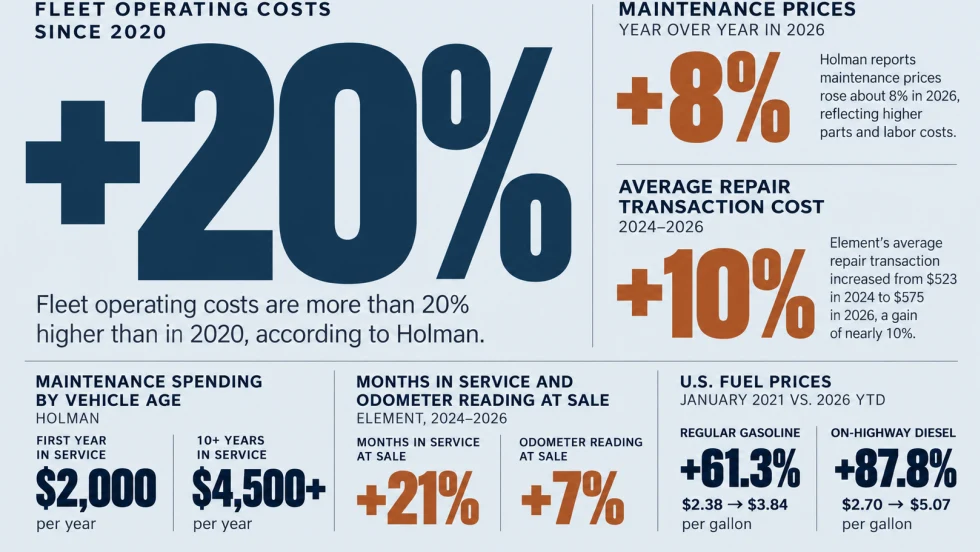
Managing Fleet Costs in an Era of Permanent Volatility
Fleet operating costs have risen more than 20% since 2020, raising a key question: When does extending a vehicle's service life stop making financial sense?
Read More →
The Next Evolution of Fleet Management: Autonomous Operations
This opening keynote session at the Fleet Forward Conference highlights the future of autonomous driving for fleets.
Read More →
How to Reduce the Total Cost of Risk From Catalytic Converter Theft
A stolen catalytic converter can cost fleets far more in downtime and lost productivity than in repairs. A total-cost-of-risk approach can help fleet managers quantify their exposure and prioritize theft prevention.
Read More →

Personal-Use Charges Rise as Vehicle Values Fall | AF News Recap
Personal-use charges are climbing, wholesale used-vehicle values are declining, and commercial fleet sales growth is slowing. This week, we're breaking down the latest fleet data, plus how Element Fleet Management is helping Waymo prepare for its first Canadian robotaxi market.
Read More →
Here's When You Should Make an Exception to Fleet Policy
Fleet policies are designed to create consistency, but not every driver or situation fits neatly within standard rules.
Read More →
AI-Native or AI-Acquired: What Should Fleet Managers Look for in an AI Platform?
Six questions can help fleet managers look beyond AI marketing claims to evaluate integration, data access, and real-world operational performance.
Read More →
A buyer's guide to fleet management software in 2027
Buying fleet management software in 2027 means looking beyond features and price. As fleet operations, technology and expectations evolve, this guide explores what today’s fleet professionals should consider when choosing a system that can deliver value now and adapt to what comes next.
Read More →
What Will Shape the Next Era of Fleet Management?
EVs, AI, and autonomous vehicles are reshaping fleet management. Discover what’s ahead—and how fleet leaders can prepare for the next era.
Read More →
How Fleets Can Recruit and Train Veterans for Technician Roles
Here's how the technician shortage has affected uptime for fleets, and what to do about it.
Read More →
Avis Budget Group Deploys Neology Toll Management Technology Across Major Brands
Neology’s neoFleet platform will manage toll transactions and toll-authority operations for vehicles across Avis, Budget, Payless, Budget Truck and Zipcar.
Read More →