Amazon Flex Program is Like Uber for Last-Mile Delivery
Amazon has unveiled what some are calling Uber for last-mile delivery, after the fast-growing service that replaces traditional taxis with an app that links riders and drivers.
Amazon has unveiled what some are calling Uber for last-mile delivery, after the fast-growing service that replaces traditional taxis with an app that links riders and drivers.
Flex would allow ordinary people to make $18 to $25 an hour delivering packages for Amazon using their car and a smartphone, as an independent contractor.
Ad Loading...
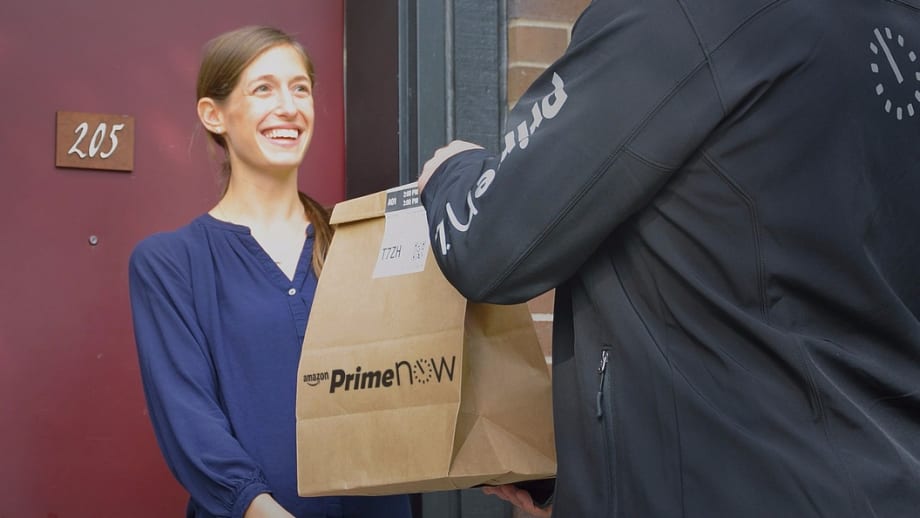
Flex drivers (must be 21 years old) will deliver ultra-fast Amazon Prime Now packages. This program for paid Amazon Prime members promises deliveries as quickly as one hour for $8, or free for two hours or more. In the future, Flex drivers may deliver other types of Amazon packages as well, according to the website.
Initially launched in Seattle, the service will expand to Manhattan, Baltimore, Miami, Dallas, Austin, Chicago, Indianapolis, Atlanta and Portland.
Amazon says tens of thousands of items are available for delivery under Prime Now including, in Seattle, alcohol, reports The Wall Street Journal.
Amazon has had a significant impact on supply chains and the e-commerce industry in North America and Europe, with its focus on same-day delivery and its developing relationships with 3PL companies for last-mile delivery, according to a survey of third-party logistics provider CEOs, sponsored by Penske Logistics and released Monday.
On average, e-commerce now accounts for an average of 11.85% of North American 3PLs' revenue, and CEOs predict it will increase to 20.85% in three years.
Ad Loading...
The survey also noted that ride-sharing companies, most notably Uber, are believed to potentially pose a threat to aspects of the 3PL industry in the future by providing last-mile delivery services and taking business away from small-volume couriers.
One problem for this model, however, may be the independent contractor status of these drivers. There already are lawsuits against Uber, grocery delivery startup Instacart, Postmates and others over whether these workers were misclassified and should be entitled to back pay and benefits as employees rather than contractors.
For fleet managers, fuel is one of the biggest line items in the budget — and it's one hybrids can shrink without changing how your people work. Download the eBook to see the numbers, understand the technology, and get a step-by-step guide to making the switch.
James Victory of NOV discusses how the company manages fleet safety, maintenance, and telematics across more than 150 locations supporting oilfield operations throughout the U.S.
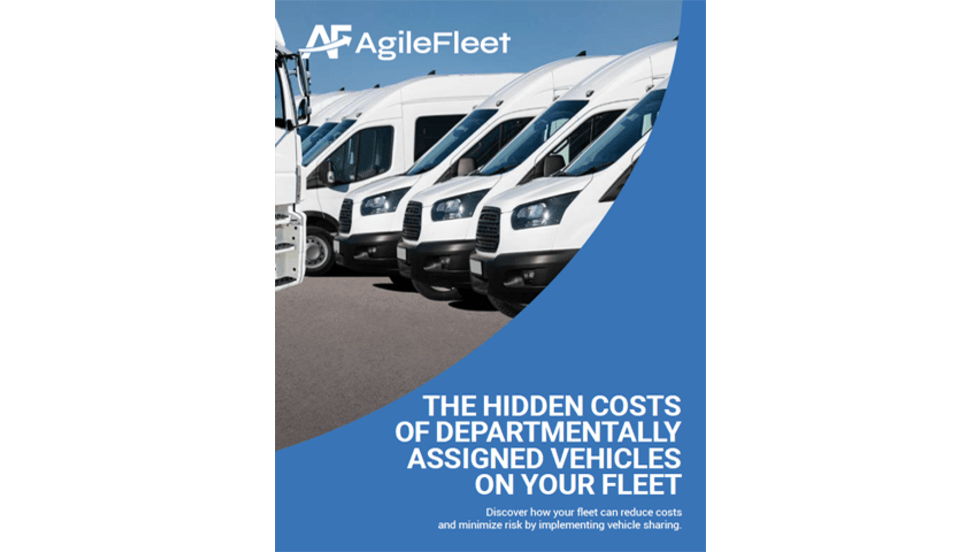
Departmentally assigned vehicles often create hidden costs through underutilization, poor visibility, and increased administrative burden. This white paper explores how shared motor pool strategies help fleets reduce costs, improve accountability, and optimize vehicle utilization.
BBL Fleet expanded its footprint in the fleet management industry with the acquisition of Velcor Leasing Corporation of Madison through a stock purchase agreement finalized Feb. 27, 2026.
Fleet leaders are under pressure to reduce costs, adapt to economic uncertainty, and make smarter decisions. See how peers across North America are responding with real data, proven strategies, and forward-looking insights. Download the 2026 Market Pulse Report to benchmark your strategy and uncover where you can gain an edge.
AI is no longer a future concept for fleets—it’s already embedded in the tools, data, and decisions that operators rely on every day. In this episode of the Fleet Forward Podcast, recorded live at Fleet Forward, industry leaders take the conversation beyond hype to examine what responsible AI adoption really looks like in fleet operations.