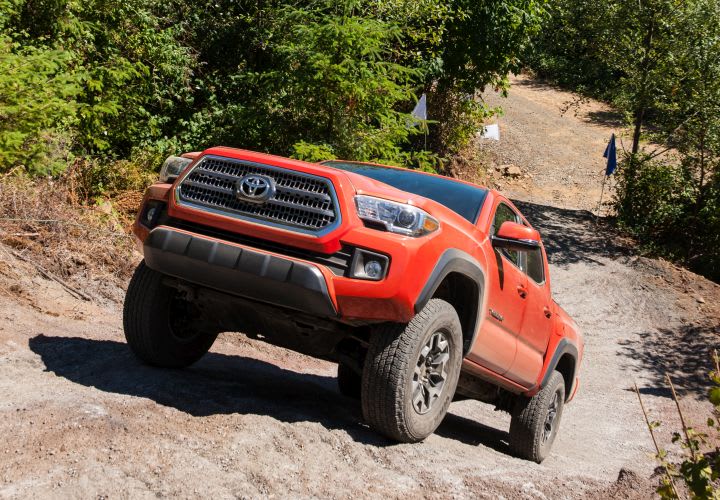
Toyota's redesigned 2016 Tacoma mid-size pickup will offer increased power and towing capability when it arrives at dealer lots in the middle of September.
by Staff
August 17, 2015
Photo of 2016 Tacoma TRD courtesy of Toyota.
2 min to read
Photo of 2016 Tacoma TRD courtesy of Toyota.
Toyota's redesigned 2016 Tacoma mid-size pickup will offer increased power and towing capability when it arrives at dealer lots in the middle of September.
Toyota has increased the capabilities of the truck that's powered by the 2.7-liter four-cylinder and added a more powerful V-6 to replace the earlier model. The 2.7-liter Tacoma will produce 159 hp and 180 lb.-ft. of torque, while the new 3.5-liter V-6 will produce 278 hp, an increase of 42 hp over the prior model, and 265 lb.-ft. of torque.
Ad Loading...
The rear-wheel-drive 2.7-liter Tacoma with an automatic transmission provides an EPA-rated 19 mpg in the city, 23 mpg on the highway, and 21 mpg combined. These ratings are comparable to the outgoing model. A similarly equipped 2015 truck reached a highway fuel economy of 24 mpg.
Equipping this truck with 4x4 results in an EPA-rated 19 mpg city, 22 mpg highway, and 20 mpg combined. This Tacoma's fuel economy fares better compared to the outgoing model, which provided 18 mpg city, 21 mpg highway, and 19 mpg combined.
The rear-wheel 2016 Tacoma powered by the 3.5-liter V-6 and equipped with an automatic transmission provides an EPA-rated 19 mpg city, 24 mpg highway, and 21 mpg combined. The similar outgoing Tacoma provided 17 mpg city, 21 mpg highway, and 19 mpg combined.
The 4x4 V-6 model with automatic transmission provides 18 mpg in the city, 23 mpg on the highway, and 20 mpg combined. Toyota has improved fuel economy from the outgoing model's 16 mpg city, 21 mpg highway, and 18 mpg combined.
2016 Tacoma buyers can add a towing package to the V-6 model that allows the truck to tow 6,800 pounds, an increase of 300 pounds over the prior model. The 2016 Tacoma meets the SAE J2807 tow standard, according to Toyota.
AI is no longer a future concept for fleets—it’s already embedded in the tools, data, and decisions that operators rely on every day. In this episode of the Fleet Forward Podcast, recorded live at Fleet Forward, industry leaders take the conversation beyond hype to examine what responsible AI adoption really looks like in fleet operations.
As fleets rethink how they capture, manage, and act on vehicle data, telematics is at a major inflection point. In this episode of the Fleet Forward Podcast, we dive deep into one of the most pressing questions facing fleet leaders today: Should you rely on OEM factory-installed connectivity, aftermarket devices, or a hybrid of both?
Experts from telematics analytics, fleet-as-a-service operations, and national EV benchmarking share how real-time data is reshaping fleet strategy—dispelling assumptions, validating best practices, and exposing costly missteps.
A powerhouse panel featuring experts from the American Automotive Leasing Association, CalSTART, and municipal fleet leadership dives into the realities of navigating shifting emissions rules, regulatory waivers, federal agency actions, the future of the EPA’s endangerment finding, and the push for unified standards. They also examine the impacts of tariffs, autonomous vehicle policy, battery innovation, and the accelerating global EV market.
This episode kicks off with a deep dive into the technologies and market forces reshaping today’s fleet landscape. Host Chris Brown is joined by Laolu Adeola (Leke Services), Tyson Jomini (J.D. Power), and Richard Hall (ZappiRide) to break down real-world data, shifting incentives, and practical strategies fleet leaders can use right now.
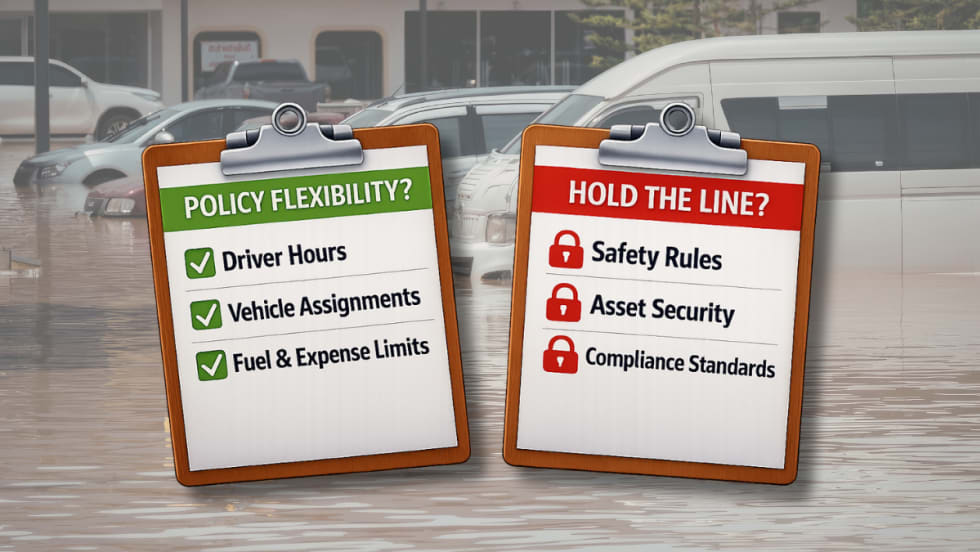
In the middle of natural disasters fleet managers must shift priorities to protect people and assets. What policy items should be loosened, and when should the line be held?
In this episode, fleet leaders from municipal, university, and private-sector organizations share a candid EV reality check. From infrastructure setbacks and policy whiplash to grant funding, total cost of ownership, and charging resiliency, this conversation dives into what it actually takes to scale electrification in the real world.
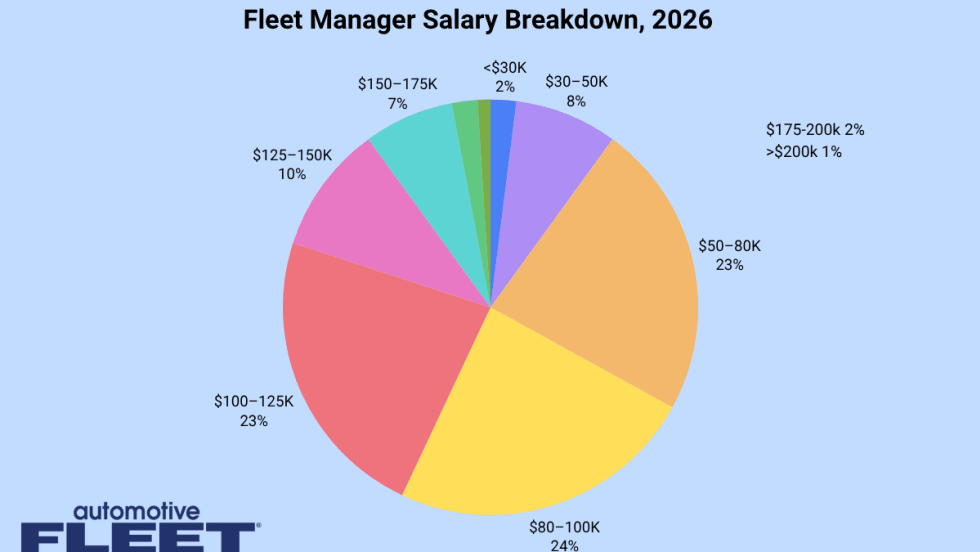
After a decade of lagging compensation, fleet manager pay is climbing. But expanding responsibilities, larger fleets, and growing complexity continue to redefine the role.