Which Communities Near You Have Red-Light Cameras?
The Insurance Institute for Highway Safety, a strong supporter of red-light cameras, releases its latest list of jurisdictions that operate the systems.
Though red-light cameras continue to generate controversy, a total of 443 communities in the U.S. have such enforcement systems in operation, according to the latest tally from the Insurance Institute for Highway Safety (IIHS).
Ad Loading...
Supporters, including IIHS, argue that red-light camera systems promote driver safety. Opponents counter that they’re primarily a means for city and county governments to raise revenue. But one thing is certain: Red-light cameras aren’t going away any time soon in the U.S.
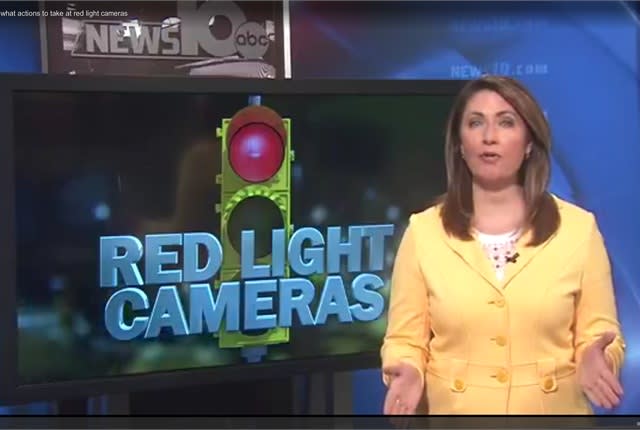
To view a video in which Albany, N.Y., police offer tips on how to avoid a red-light camera ticket, you can click on the photo or link above.
According to IIHS, here are the communities that currently have red-light camera systems in operation:
Fleet drivers face constant visual, cognitive, and environmental interruptions the moment they hit the road. From roadside chaos to mental fatigue and digital overload, today’s biggest driving risks often come from outside the vehicle itself.
FLASH Weather AI has launched a first-of-its-kind hail prediction model capable of forecasting hail size and arrival time at 1-kilometer resolution up to 55 minutes ahead, giving fleets and insurers critical time to prepare for severe storms.
As litigation risk rises, vehicles are increasingly targeted. This Coca-Cola bottler shares how it’s reducing exposure through driver training, technology, and a proactive risk management approach.
From identity management to third-party certifications, the right technology partner should make security easier to manage. Here are the three building blocks that fleet managers need to stay in control as connected systems scale.
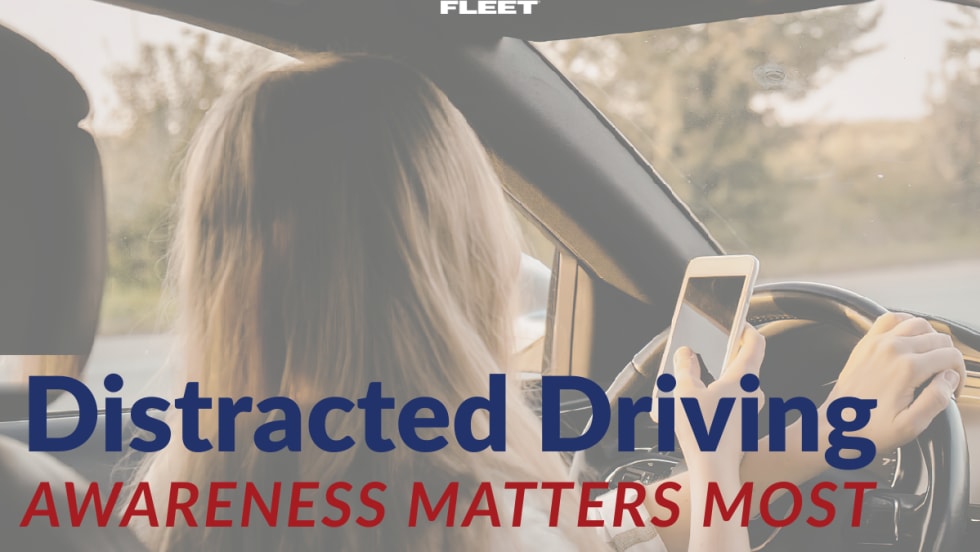
Distracted driving remains one of the most persistent risks in fleet operations. New approaches focus on removing mobile device use entirely while adding real-time safety support.
As distraction risks evolve, fleets are turning to smarter, more connected technologies to better understand what’s happening behind the wheel. Part 2 explores how these tools are helping identify risky behaviors and improve visibility across operations.
Distracted driving is often measured by what we can see—phones in hand, eyes off the road. But what about the distractions we can’t? A recent incident raises a bigger question about awareness, attention, and why subtle risks so often go unnoticed.