




Paul Ryan: Highway Bill Takes Backseat to Tax Reform
Rep. Paul Ryan (R-WI), Chairman of the powerful Ways and Means Committee, has strongly indicated that there’s no way around applying another short-term patch to keep the Highway Trust Fund solvent.

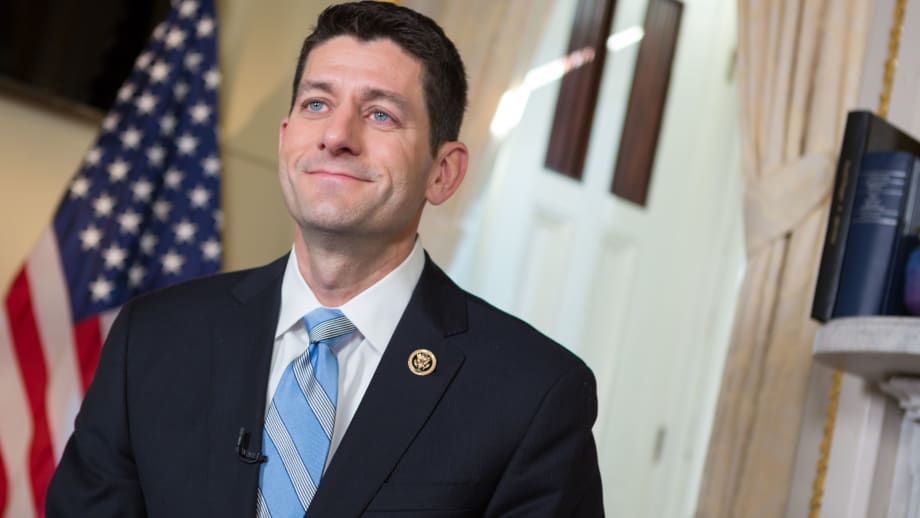
Rep. Paul Ryan, Chairman of the House Ways and Means Committee. Photo: speaker.gov

Rep. Paul Ryan, Chairman of the House Ways and Means Committee. Photo: speaker.gov
Rep. Paul Ryan (R-WI), Chairman of the powerful Ways and Means Committee, has strongly indicated that there’s no way around applying another short-term patch to keep the Highway Trust Fund solvent.
Speaking at a Christian Science Monitor media event on Thursday, Rep. Ryan said that there just isn’t enough time left before the current highway funding bill expires on May 31 to make the reform of corporate taxes to the degree he is seeking part of the package.
Both Ryan and President Obama favor repatriation— using revenue from taxing corporate profits earned overseas to help ensure long-term funding of surface-transportation infrastructure investments.
Ryan explained that he is aiming to achieve “limited” tax reform this year, mostly related to the corporate tax rate, according to a report posted by The Monitor. Ryan said if that is accomplished, it will amount to a “down payment” on completing more extensive tax reform in 2017—that is, if the GOP takes the White House in the next election.
Meanwhile, the House Appropriations Committee has released its draft of the 2016 THUD (Transportation, Housing and Urban Development) funding bill. The measure, which falls far short of the funding level sought by the White House, would provide over $40.25 billion from the Highway Trust Fund to be spent on the Federal-aid Highways Program.
“This [amount] is equal to the fiscal year 2015 level,” stated a press release issued by the Committee’s majority. The statement also noted for the record that “this funding is contingent on the enactment of new transportation authorization legislation, as the current authorization expires this year.”
That level of funding should disappoint highway advocates. But trucking interests should welcome other elements of the package as now marked up.
For starters, the 2016 fiscal bill would not only keep the current suspension of the 34-hour restart provisions of the Hours of Service rule in effect until the Federal Motor Carrier Safety Administration completes its required study of that rule change.
The kicker is that THUD 2016 would also only revoke the rule suspension if FMCSA’s impact report shows that “drivers who operated under the restart provisions… demonstrated statistically significant improvement in all outcomes related to safety, operator fatigue, driver health and longevity and work schedules” vs. drivers who had run under the rules in place before the 2013 change.
The bill would also prevent FMCSA from further pursuing a rulemaking to up the liability insurance required of motor carriers above the current $750,000 minimum amount.
But wait, there’s more.
Another provision would allow the use of 33-ft doubles trailers and yet another prevent FMCSA from conducting roadside inspections wirelessly until the agency can demonstrate to Congress that doing so wouldn’t “conflict with existing non-federal electronic screening systems.”
More Operations
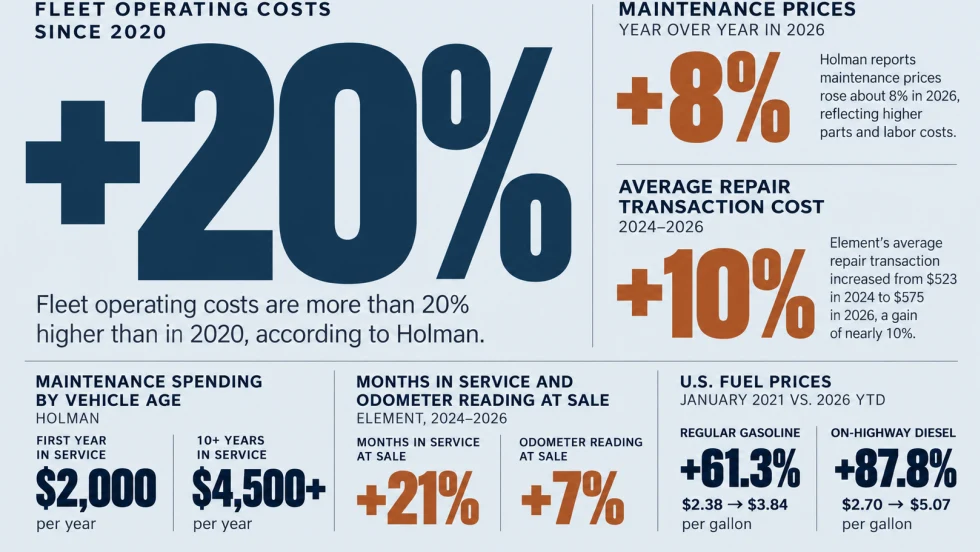
Managing Fleet Costs in an Era of Permanent Volatility
Fleet operating costs have risen more than 20% since 2020, raising a key question: When does extending a vehicle's service life stop making financial sense?
Read More →
The Next Evolution of Fleet Management: Autonomous Operations
This opening keynote session at the Fleet Forward Conference highlights the future of autonomous driving for fleets.
Read More →
How to Reduce the Total Cost of Risk From Catalytic Converter Theft
A stolen catalytic converter can cost fleets far more in downtime and lost productivity than in repairs. A total-cost-of-risk approach can help fleet managers quantify their exposure and prioritize theft prevention.
Read More →

Personal-Use Charges Rise as Vehicle Values Fall | AF News Recap
Personal-use charges are climbing, wholesale used-vehicle values are declining, and commercial fleet sales growth is slowing. This week, we're breaking down the latest fleet data, plus how Element Fleet Management is helping Waymo prepare for its first Canadian robotaxi market.
Read More →
Here's When You Should Make an Exception to Fleet Policy
Fleet policies are designed to create consistency, but not every driver or situation fits neatly within standard rules.
Read More →
AI-Native or AI-Acquired: What Should Fleet Managers Look for in an AI Platform?
Six questions can help fleet managers look beyond AI marketing claims to evaluate integration, data access, and real-world operational performance.
Read More →
A buyer's guide to fleet management software in 2027
Buying fleet management software in 2027 means looking beyond features and price. As fleet operations, technology and expectations evolve, this guide explores what today’s fleet professionals should consider when choosing a system that can deliver value now and adapt to what comes next.
Read More →
What Will Shape the Next Era of Fleet Management?
EVs, AI, and autonomous vehicles are reshaping fleet management. Discover what’s ahead—and how fleet leaders can prepare for the next era.
Read More →
How Fleets Can Recruit and Train Veterans for Technician Roles
Here's how the technician shortage has affected uptime for fleets, and what to do about it.
Read More →
Avis Budget Group Deploys Neology Toll Management Technology Across Major Brands
Neology’s neoFleet platform will manage toll transactions and toll-authority operations for vehicles across Avis, Budget, Payless, Budget Truck and Zipcar.
Read More →