




Fleet Safety Video Tip: Driving at Dusk and Night
With the days getting noticeably shorter, now is a great time to remind fleet drivers of the dangers associated with night driving. Here's some advice on how to minimize these hazards.
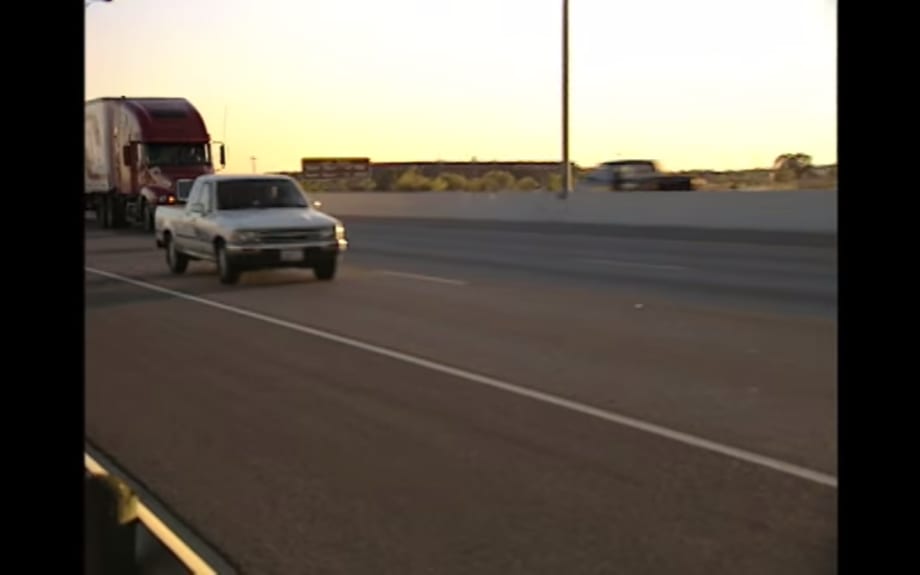
VIDEO: What to Do to Make Driving at Night Safer
The days are getting shorter, and that means fleet drivers are spending more time operating vehicles at night. Unfortunately, driving at night poses more safety hazards than driving during daylight hours.
According to the National Safety Council, traffic death rates are three times greater at night compared to the day. That’s largely because drivers can’t see their environment as well, plus they are more likely to be fatigued at night.
The vision of older drivers is even more compromised during night hours. A 50-year-old driver, for example, may need twice as much light to see as well as a 30-year-old driver.
Additionally, there are more impaired drivers on the road at night than during the day, particularly on weekends.
Fortunately, fleet drivers can take several measures to minimize dangers associated with night driving. To view a video on night driving, produced by DefensiveDriving.com, click on the photo or link above.
The National Safety Council recommends that motorists observe night driving safety as soon as the sun starts going down. Twilight is one of the most difficult times to drive, because the driver's eyes are continually adapting to the growing darkness. Also, the sinking sun is more likely in the driver's direct field of vision.
Here are more NSC safety tips you can pass along to fleet drivers as a friendly reminder:
Prepare your car for night driving. Clean headlights, taillights, signal lights and windows (inside and out) once a week – more often if necessary.
Have your headlights properly aimed. Misaimed headlights blind other drivers and reduce your ability to see the road.
Don't drink and drive. Not only does alcohol severely impair your driving ability, it also acts as a depressant. Just one drink can induce fatigue.
Avoid smoking when you drive. Smoke's nicotine and carbon monoxide hamper night vision.
If there is any doubt, turn your headlights on. Lights will not help you see better in early twilight, but they'll make it easier for other drivers to see you. Being seen is as important as seeing.
Reduce your speed and increase your following distances. It's more difficult to judge other vehicles' speeds and distances at night.
Don't overdrive your headlights. You should be able to stop inside the illuminated area. If you can't, you are creating a blind crash area in front of your vehicle.
When following another vehicle, keep your headlights on low beams so you don't blind the driver ahead of you.
If an oncoming vehicle doesn't lower beams from high to low, avoid glare by watching the right edge of the road and using it as a steering guide.
Make frequent stops for light snacks and exercise on long trips. If you're too tired to drive, stop and get some rest.
If you have car trouble, pull off the road as far as possible. Warn approaching traffic at once by setting up reflecting triangles near your vehicle and 300 feet behind it. Turn on flashers and the dome light. Stay off the roadway and get passengers away from the area.
More Safety
The Safest Fleets Aren’t the Ones with the Most Technology
You’ve made the telematics investment. Here’s how to capture the other half of its value and build the safest fleet on the road.
Read More →
Hidden in Plain Sight: Fleet Compliance Risks
Fleet compliance isn't just about having policies — it's about consistently enforcing them. This practical guide reveals six hidden compliance risks common in public sector and shared fleet operations and outlines proven strategies to improve visibility, accountability, and audit readiness
Read More →
NETS Sets 2026 Fleet Safety Benchmark Conference for Indianapolis
The Sept. 15–17 program will feature fleet benchmarking data, case studies, emerging technologies, and implementation strategies while running alongside the NSC Safety Congress & Expo.
Read More →

Off-the-Job Crashes Account for 43% of Employers’ $61.7 Billion Crash Burden
NETS quantifies costs dispersed across fleet, risk, HR, and other departments while providing new per-crash benchmarks for employers.
Read More →
Ram Recalls More Than 1.27 Million 1500 Pickups for Seat Belt Anchor Issue
The recall affects certain 2019-2026 Ram 1500 pickups that may have improperly attached second-row seat belt buckle anchors.
Read More →
How Better Visibility Cut Speeding Violations by 48%
Fleet leaders don't need more data, they need clearer visibility into what the data is saying. This case study explores how one utility replaced speeding-event counts with a single metric — miles driven in violation — to strengthen safety and significantly reduce speeding violations.
Read More →
Operation Safe Driver Week: Why the Industry's Oldest Safety Campaign Still Matters to Fleets
A look at how a 2007 enforcement initiative became one of the most consequential weeks on the fleet safety calendar, and what it means for your drivers in 2026.
Read More →
Nexar-Nauto Merger Aims to Give Fleets Better Safety Intelligence Through Larger Driving Dataset
Stefan Heck tells Automotive Fleet that combining more than 10 billion miles of driving history with Nexar's AI models will give fleets deeper insights into driver risk and roadway conditions than either company could provide independently.
Read More →
From Silos to Solutions: Relationship Management for Safer Fleets
From telematics adoption and driver accountability to policy consistency and risk mitigation, this episode breaks down what it really takes to build a safer fleet culture without slowing business down.
Read More →
IIHS Launches First Commercial Vehicle Safety Evaluations
The Insurance Institute for Highway Safety has begun evaluating heavy-duty pickups and cargo vans for driver protection. Which models earned top marks?
Read More →