




EPA Proposes New Tier 3 Emissions Standards That Would Start in 2017
The U.S. Environmental Protection Agency (EPA) has proposed new Tier 3 tailpipe and fuel standards that are designed to reduce emissions and the sulfur content in gasoline.
The U.S. Environmental Protection Agency (EPA) has proposed new Tier 3 tailpipe and fuel standards that are designed to reduce emissions and the sulfur content in gasoline. The proposed standards would go into effect in 2017 if approved as-is.
The proposed Tier 3 standards are designed to be in line with the California Air Resources Board’s (CARB’s) Low Emission Vehicle III program, which would allow automakers to sell the same vehicles in all 50 states, EPA stated.
In terms of costs, EPA estimates that it would add $130 to the cost of each vehicle in the year 2025 and about 1 cent to the average cost of a gallon of gasoline once the standards are completely in place. For total costs, EPA estimates the program will cost $3.4 billion but will provide between $8 billion and $23 billion in health benefits.
According to the EPA, the proposed standards will reduce the amount of volatile organic compounds and nitrogen oxides by 80%, establish a 70% tighter particulate matter standard, reduce fuel vapor emissions to close to zero, and reduce vehicle emissions of toxic air pollutants, such as benzene and 1,3-butadiene by up to 40%.
The automakers from the Association of Global Automakers and from the Alliance of Automobile Manufacturers both came out in support of these new standards.
“We have been anxiously awaiting this rulemaking because it is good for the environment and will help harmonize the federal and California programs for both vehicles and fuels,” said Michael J. Stanton, president and CEO of Global Automakers.
“Automakers have already reduced vehicle emissions by 99%, and we’re working to go further while also delivering high quality, affordable vehicles to our customers,” stated the Alliance. “Our goal is a rule that harmonizes with California’s Low Emission Vehicle (LEV III) program finalized in 2012. Eliminating differing timelines, regulatory procedures and test methods at the federal and state levels will help reduce emissions and avoid extra costs to consumers.”
You can view the proposed Tier 3 standards from the EPA here.
More Fuel
WEX Report: Fleet Fuel Costs Rise as Purchasing Volumes Hold Steady in 2026
New analysis of WEX customer transaction data highlights rising fuel expenses, differences in purchasing behavior, and opportunities for fleet managers to evaluate operating costs.
October Fuel Trends Show Diverging Gasoline and Diesel Prices
Get the latest fuel trends from October.
Fuel Prices Surge in September | September Fuel Update
September brought major fuel price swings, including diesel crossing $6 a gallon. Here’s how gas and diesel prices changed throughout the month, and where they stood heading into October.

Turning Fleet Payment Data into Executive Insights
Ramel Lindsay of U.S. Bank Voyager discusses how fleets can transform payment and transaction data into actionable intelligence to reduce costs, improve oversight, and support executive decision-making.
Why the IRS Raised Its Mileage Rate in the Middle of 2026
Fuel-price volatility drove the rare increase to 76 cents per mile, the fifth midyear adjustment since 2000.
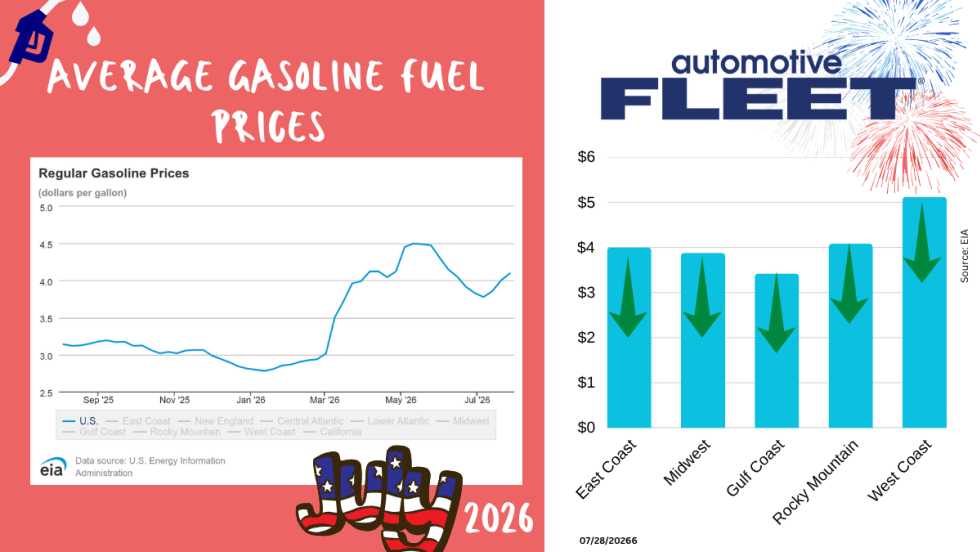
July Fuel Update: Prices Keep Rising in Light of More Conflict
Gas prices continue to rise as more and more conflicts do, too.
Bob Adamsky on Fuel Volatility: "Don't Panic, Have a Plan."
When it comes to up and down fuel prices, Adamsky has a message for fleets: “Don’t panic.”

How Fleets Can Gain Control of Non-Fuel Spend
Fuel often gets the spotlight, but non-fuel expenses can have a major impact on fleet costs. Ramel Lindsay of U.S. Bank Voyager discusses how fleets can gain better visibility and control over these often-overlooked expenditures.
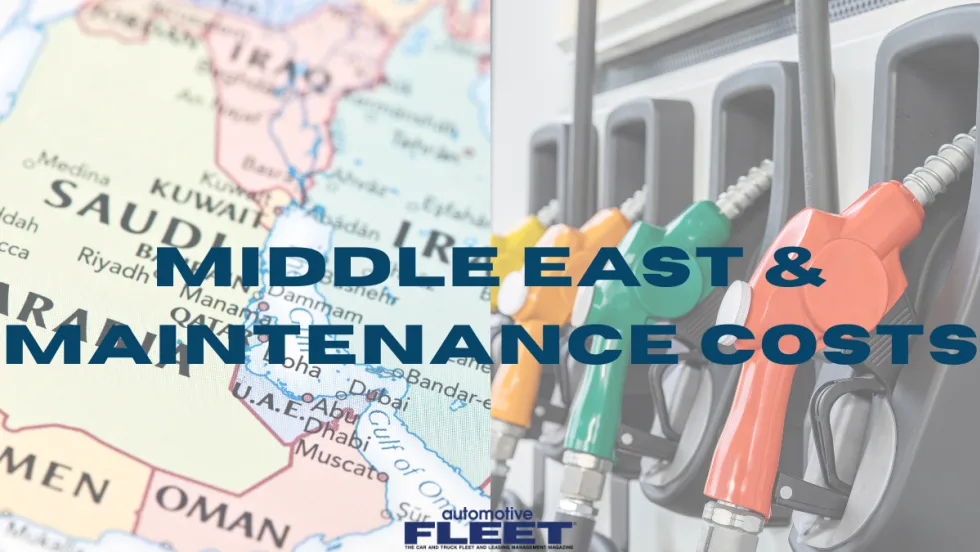
Fuel is Just the Start: How Middle East Tensions are Driving Up Fleet Maintenance Costs
The Middle East conflict is doing more than pushing up fuel prices. It’s also raising the cost of key maintenance products your fleet depends on, from motor oil to tires to windshield wipers. Here’s what you need to know about this budget-busting situation.
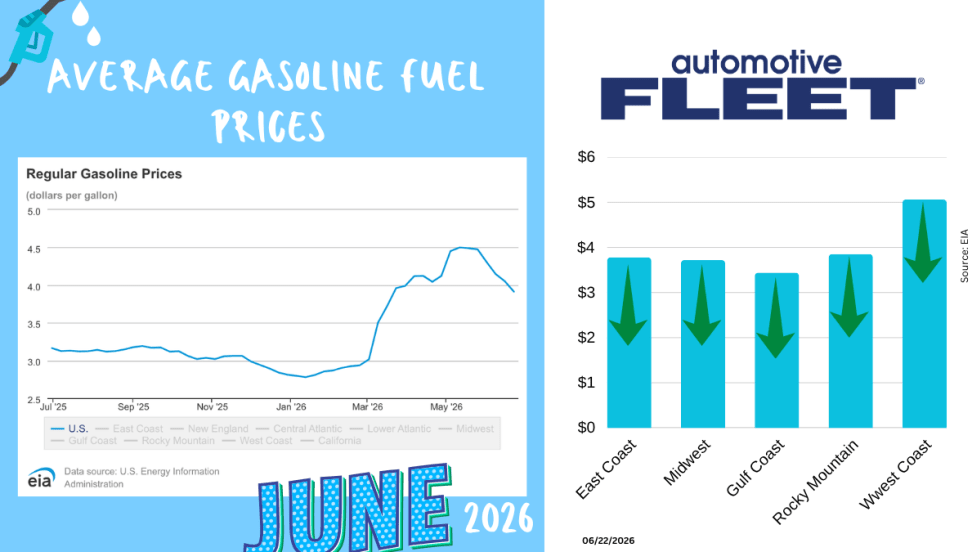
June Fuel Update: Prices Fall Below $4
Drivers are finally getting some relief at the pump. The national average gas price has dropped below $4 a gallon for the first time in months, with prices falling in 47 states as oil markets react to developments in U.S.-Iran negotiations.