




How Detecting Fraud Can Protect Shippers, Carriers, and Their Loads
One successful scam can devastate the finances and damage the reputations of the shipper and carrier.
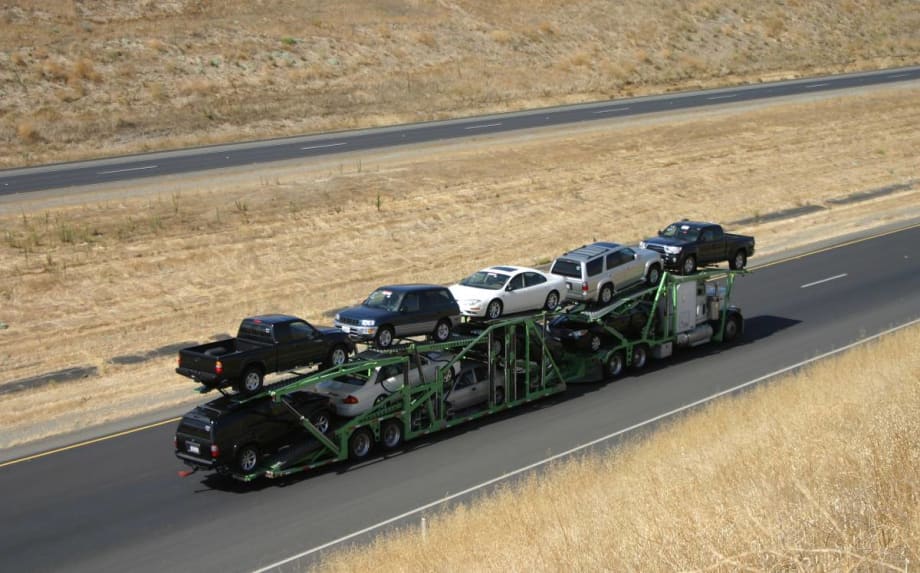
Scammers can pose as legitimate carriers, pick up a car, and head far down the highway before the real carrier and the vehicle owner realize the theft.
Photo: Getty Images
- Detecting fraud protects the financial health of shippers and carriers.
- Fraud can severely damage the reputations of both shippers and carriers involved in transportation.
- Effective fraud detection measures can help secure the safety of loads in transit.
*Summarized by AI
With fraudulent schemes on the rise, 2025 has seen a sharp spike in stolen vehicles across all major load boards.
Carriers, shippers, and their numerous fleet and dealer clients who transport vehicles must learn to distinguish between red flags and green lights.
The theft surge has exposed critical vulnerabilities in the industry’s ability to detect and prevent fraudulent carrier behavior before it leads to financial and reputational damage.
In the worst-case scenario, a fraudulent carrier picks up a vehicle from an individual customer or dealership. stealing it. The recovery rate for stolen vehicles sits around 50%, but the chances of recovery are close to nil once thieves dismantle the vehicle for parts or traffic it through black markets.
For an industry where a single unit can represent six figures in value, one successful scam can devastate the finances and damage the reputations of the shipper and carrier.
How Scammers Access the Industry
In the past, scammers created fake carrier companies to steal loads. When carriers put safeguards in place to distinguish between legitimate and fraudulent transactions, scammers stepped up. They started posing as legitimate carriers.
They could steal their identity, access their accounts by hacking passwords, or resort to various common scams, even outside the industry. But scammers are smart and have invented ways to get past roadblocks, which is why shippers and carriers must put up additional guards.
What Does Fraud Look Like?
A fraudulent carrier profile looks legitimate on the surface but diverges in behavioral patterns. They’re doing the bare minimum to get past your security system, so while their tactics might be sophisticated, their details can be sloppy.
For instance, they may express unusual interest in high-value shipments, look for loads near ports, or display mismatched capacity or incomplete credentials. They may have unusual negotiation tactics, push for atypical routing, make rapid schedule changes, or cancel unexpectedly after securing sensitive information. These are all signs of fraudulent activity.
This type of fraud may seem obvious, but at scale, the details start to blur, and that’s what fraudsters count on. They wait for the moments when your team is stretched thin, the phones won’t stop ringing, and deadlines are pressing.
In fact, most fraud attempts occur on a Friday towards the end of the day, and long weekends just amplify the attempts. All it takes is a split second of distraction or one skipped security step, and that’s when they slip through.
A person can rarely spot these details because they are deviations, but not necessarily outliers. You would have to analyze a massive amount of data they would have to analyze to spot even one of these attempts.
What Tools Protect Your Operation From Fraud?
Most current defenses resemble two-factor authentication: validating a carrier’s identity at the first point of booking and usually every 60 to 90 days after that. A carrier can get hacked after or between compliance checks, so that’s no longer enough. Generalized fraud-detection software often relies on cross-industry data, lacking the nuance of vehicle logistics.
What’s needed are tools built by the vehicle logistics industry for the industry, leveraging decades of internal carrier behavioral data to pinpoint when and what a carrier does that deviates from the norm.
This level of contextual intelligence and deep understanding of how vetted carriers operate, from order sequencing to route profiles, allows shippers to flag anomalies confidently without straining relationships with legitimate partners.
To combat fraud, shippers require more than just an alert system; they need an integrated and seamless solution that constantly monitors for fraud at any moment. Technology should empower shippers without requiring extra steps and be driven by real-time analysis to provide instant, actionable insights.
What Does this Mean for Shippers and Carriers?
Fraud threatens every link in the vehicle logistics chain. Shippers face financial loss and damaged reputation, while carriers risk identity theft and costly disputes. Advanced fraud detection protects individual stakeholders and the integrity of the entire automotive supply chain.
By building resilience against fraud, the industry can safeguard assets, maintain customer trust, and ensure the reliable transportation of vehicles.
Vlad Kadurin is the chief product and operations officer for Ship.Cars.
More Remarketing
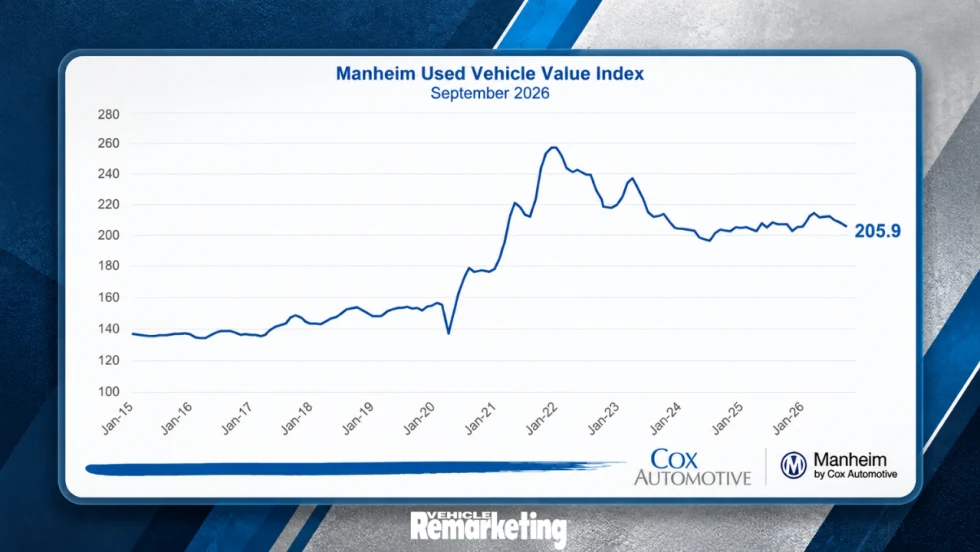
Wholesale Used-Vehicle Values Fall as Cox Automotive Cuts 2026 Forecast
Wholesale used-vehicle prices declined in September as depreciation accelerated, prompting Cox Automotive to lower its year-end forecast.
Read More →
FLD Promotes Three Executives in Leadership Changes
FLD has promoted three longtime executives, naming Gary Mott CEO, Richard Mallek president, and Ron Sanders managing partner.
Read More →
Ford Pro Launches Certified Pre-Owned Program for Commercial Vehicles
Ford Pro Advantage will offer certified pre-owned Class 1-7 commercial vehicles through more than 700 Ford Pro Commercial Vehicle Centers.
Read More →
Copart to Acquire ACV in $1.9 Billion Deal
The acquisition would expand Copart beyond its traditional salvage business into dealer-to-dealer wholesale remarketing while adding ACV’s vehicle data, inspection, and valuation technology.
Read More →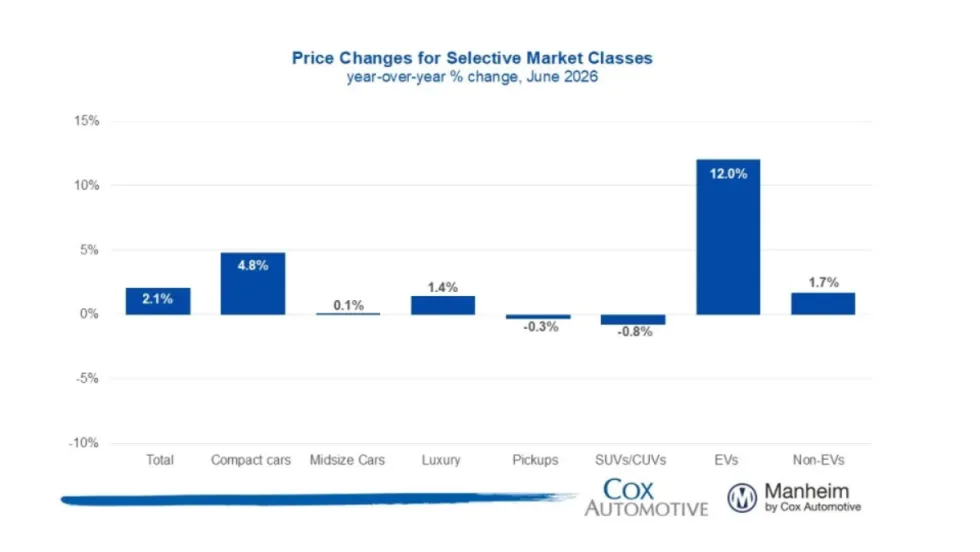
Manheim Index Shows Used-Vehicle Wholesale Prices Up 2.1% in June
The market is seeing stronger appreciation in older used vehicles this year, and the most affordable segments have been among the year’s best performers.
Read More →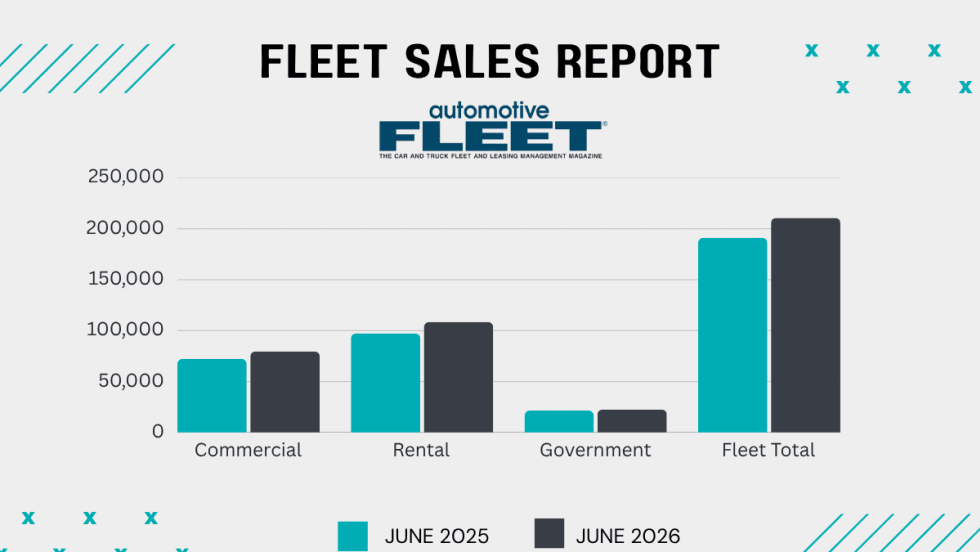
Commercial Fleet Sales Contribute To June, YTD Gains
The fleet sector has boosted its vehicle purchases at a reliable pace in the first half of this year compared with 1H 2025.
Read More →
Used Vehicle Prices Climb Higher As Sales Pace Slows
The higher prices at used retail reflect strong wholesale values earlier in the spring, particularly for older, more affordable vehicles.
Read More →
Wholesale Used Vehicle Market Sustains Moderate Rise In Values, Prices
Trends continue to normalize after a strong start to the year, as consumers contend with higher gas prices in the coming summer months.
Read More →
Commercial Fleet Sales Still Lead Sectors Despite May Mini Dip
The U.S. economy's continued growth and positive business investment are creating a favorable environment for fleet vehicle demand.
Read More →
How Connected Vehicle Data Is Lifting Fleet Resale Values
A vehicle health score could improve the value of fleet vehicles at remarketing. The path to a universal standard is forming, and fleets that understand the process early will be better positioned when it arrives.
Read More →