




Top 25 Takeaways from Fleet Forward SoCal Tour Stop
California fleets discussed how they are adapting to EV operational costs, infrastructure hurdles, and regulatory headwinds.
July 24, 2025

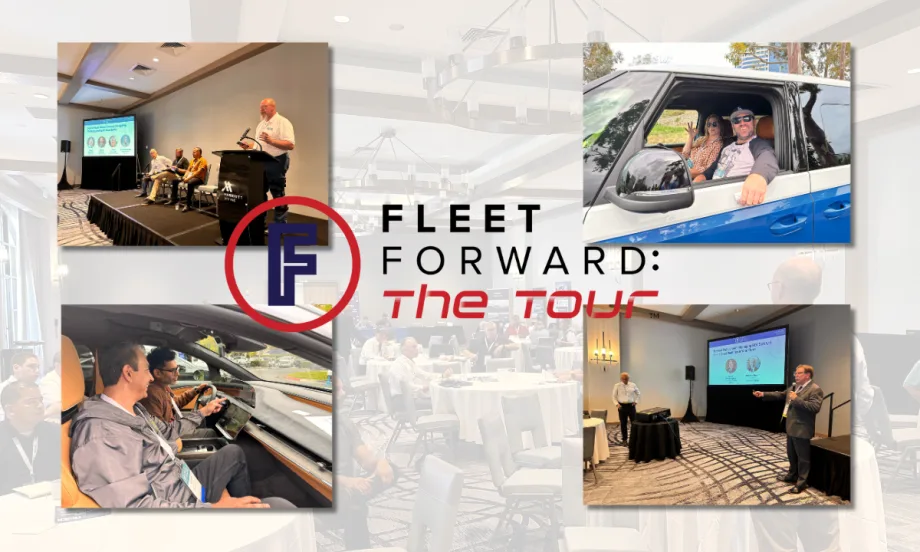
The one-day Fleet Forward Tour stop in Irvine consisted of five seminars, a ride and drive, networking breaks, and lunch.
Image: Automotive Fleet
7 min to read
Fleet managers, policymakers, and transportation leaders from across California gathered in Irvine on July 22 for the annual Fleet Forward: the Tour event.
With the regulatory landscape in flux and electrification mandates pressing forward — at least for public fleets — the event focused on practical solutions, strategic pivots, and policy updates that will shape the future of fleet operations.
Here are the top 25 takeaways from each of sessions.
California Policy Direction Uncertain, but Ambitious
John Boesel, CEO of Calstart, emphasized that despite the EPA’s waiver withdrawal, California is signaling its intent to continue climate leadership.
While a new round of zero-emission vehicle (ZEV) standards is being considered for 2029 and set to be announced in August, the regulatory path is not yet finalized. Boesel encouraged fleets to stay engaged in the policymaking process, particularly while federal enforcement is paused.
“Make no mistake, [California] is going to come back with another round of standards ready for January 2029,” said Boesel.
Cap-and-Invest Extension Is Crucial for Future Incentives
Boesel urged fleets to advocate for extending California’s cap-and-invest program beyond 2030 to ensure continued funding for rebates and infrastructure.
“We need to get that program extended… so we have more money to provide incentives, and we need incentives now during this period of less regulation,” Boesel said.
Electricity Costs Threaten the ZEV Business Case
Though battery prices continue to fall, California’s high electricity rates still pose a challenge. Boesel called for state support and utility reforms to improve cost viability.
“The business case for ZEVs is strong… but in California, we need the state to help make it viable while we work on bringing down the cost of electricity,” said Boesel.
U.S. Battery Production Is a National Priority
With the opening of U.S. battery plants, Boesel stressed the need to protect domestic innovation and avoid outsourcing, citing the semiconductor industry’s decline.
“We don’t want to see what happened to the semiconductor industry happen to the U.S. — invented here, produced elsewhere,” said Boesel.
Red States Are Winning on Deployment Speed
Boesel highlighted that states like Texas and Florida are outpacing others on electric truck deployments due to lower electricity costs and fewer permitting delays.
“Texas and Florida can get stuff done quickly… and the cost of electricity is super low,” said Boesel.
A 90% ZEV Target May Be More Realistic
Boesel acknowledged the limitations of full electrification in certain duty cycles and suggested allowing a mix of renewable natural gas and hydrogen options.
“Maybe we shouldn’t quite have [a 100% zero-emission] number — if we get to 90%, it’s going to be one heck of an achievement,” said Boesel.
Charging Uptime Depends on Business Models, Not Just Technology
Boesel argued that poor uptime at public chargers reflects weak business models, not necessarily hardware or software failures.
“I’d much rather just see a robust business model than rely on the state going out to inspect every charger,” said Boesel.
New State Policy Is Coming — Make Your Voice Heard
An upcoming state plan may help address procurement, permitting, and funding challenges. Boesel encouraged fleets to engage now.
“This would be a great time… to tell the state what could really be done to accelerate this transition,” said Boesel.
In Fleet Planning, Strategy Beats Mandates
San Bernardino County and others are moving from reactive purchasing to holistic strategies that consider infrastructure, fleet use, and long-term value.
“We want to get away from the reactive... What is the best strategy for the county if we have no rules?” said Mark McCullough from San Bernardino County.
Infrastructure Is the Real Price Tag
Fleet leaders said infrastructure costs now eclipse vehicle costs. San Diego projected $16.7 million annually to stay on track, which is unsustainable without grants.
“If we were to stick to our Green Fleet Action Plan, [infrastructure] would cost $16.7 million annually, which is ridiculous,” said David Fernandez from the County of San Diego.
Misunderstanding Regulations Slows Progress
Fleet managers are spending increasing time clarifying to staff that California’s mandates still apply to local governments.
“We have become the educator… I had a text this morning from someone asking, ‘Why are we still doing these mandates? I thought we were off the hook,’” said Bradley Northup from the City of Carlsbad.
Shrinking Vehicle Supply Creates Procurement Bottlenecks
Fleet managers are scrambling for available EVs, as OEM cutbacks shrink supply.
“The marketplace has shrunk. we’re all kind of fighting over the same table scraps,” said Fernandez.
Tariffs May Hit Infrastructure First
Trailer prices may be early indicators of wider tariff impact. Fleet leaders are watching steel and electronics prices closely.
“If you start seeing trailer prices go up, that’s the first red flag. That means materials costs are starting to trickle down into longer-term procurement,” said Northup.
Grant Money Is at Risk
Delays in federal grant obligations are stalling projects and threatening long-term planning.
“I’ve got 10 Level 3 chargers on pause right now while we wait to find out if the grant we were awarded is actually going to be obligated,” said David Renschler of EVSE Answers.
Rural Fleets Face Structural Disadvantages
Fleets in large, rural counties struggle to comply with mandates designed for urban cores.
“You have to be 10% electrified to get an exemption. But if they don’t make the vehicles, how can we even get there?” said an audience member from a rural county.
BEV Maintenance Requires High-Voltage Safety Protocols
County of Santa Clara’s David Worthington stressed the need for advanced training and safety zones to manage vehicles with 1,000-volt battery systems.
“Our skin… provides a layer of protection against static electricity. Without it, it only takes 10 millivolts to stop our hearts,” said Worthington.
Charger Failures After Power Interruptions Are Widespread
Charge sessions often fail to resume automatically after outages, creating major staffing and reliability issues.
“When there’s a power interruption, the vehicle doesn’t accept the software handoff to restart the charging session,” said Worthington.
Battery Fires Require Early Detection
Thermal runaway events can shut down highways for hours. Fleets need telematics and thermal imaging to detect risks early.
“We need as much advanced notice when a battery begins to go into thermal runaway so the driver can pull over and wait for 911,” said Worthington.
BEVs Demand New Facility Layouts
BEV maintenance areas require expanded quarantine zones and overhead clearance for battery lifts.
“There’s a 10-foot safety distance that’s recommended between an EV and the next closest metal object,” said Worthington.
Charger Management Software Is No Longer Optional
With multiple vehicle types and charger levels, using load balancing software is critical.
“Making sure that you remind everyone you provide easy instructions… so they know some of the key tips and tricks of using the vehicle,” said Clinton Bench, director of fleet & transit at UCLA.
Telematics Unlock Range and Efficiency Gains
Bench also noted that analyzing driver behavior through telematics improves range, efficiency, and scheduling.
“Telematics lets us monitor behavior like harsh acceleration and optimize battery use,” said Bench.
Battery Type and Cost Matter — Even in Small Vehicles
Switching from gel to lithium-ion batteries in low-speed vehicles reduced maintenance and doubled performance at UCLA.
“Shifting to standard lithium-ion batteries, even in your low-speed vehicles, we found to be important,” said Bench.
BEV Repairs Can Be Shockingly Expensive
Fleet managers must factor in sky-high body panel costs for some BEV van models — up to $43,000.
“You’re not just replacing a panel — you’re replacing the whole frame,” said Worthington.
Grant Reporting Is Complex and Restrictive
Bench warned that grant conditions can delay projects and increase administrative overhead.
“Having a good grant administrator that understands what to look out for is certainly key,” said Bench.
ACF Still Applies to Public Fleets, Clean Truck Check Applies to All
Adil Mahmood from CARB clarified that Advanced Clean Fleets (ACF) rules still apply to public fleets, while the Clean Truck Check program applies to all heavy-duty vehicles operating in California, regardless of ownership. CARB’s messaging is focused on helping fleets prepare for upcoming compliance steps.
“CARB is not enforcing the portions of the ACF regulation that apply to private or federal fleets. However, the state and local government fleets of the ACF regulation remain unaffected,” said Adil Mahmood, CARB representative.
Subscribe to Our Newsletter
More Fleet Forward

Chad Edmondson Named 2026 Fleet Safety Award Winner
The VSC Fire & Security fleet director oversees more than 1,100 assets nationwide. His approach to improving driver safety emphasizes collaboration, employee engagement, and building trust with the people behind the wheel.
Read More →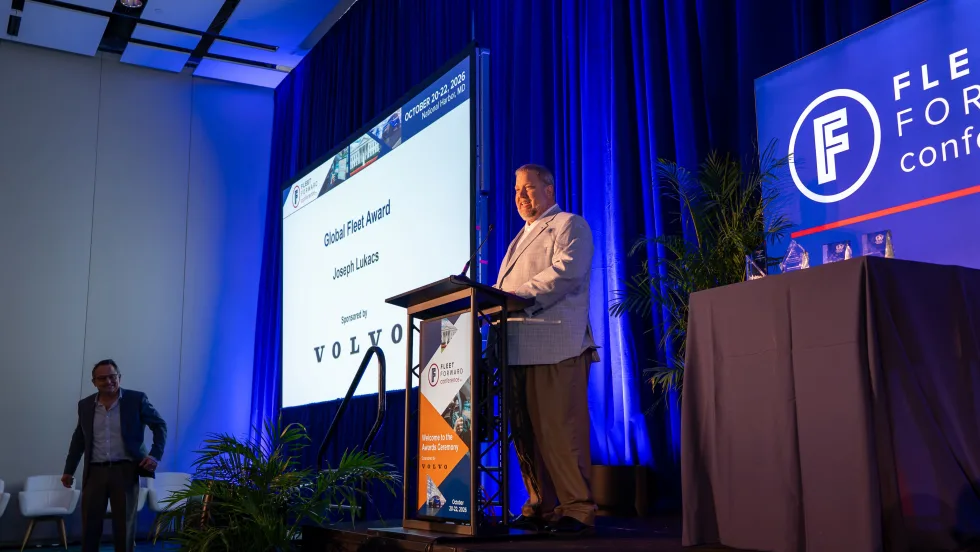
Joseph Lukacs Wins 2026 Global Fleet Manager of the Year
The Sherwin-Williams fleet leader adds another industry honor to his career after being named the 2025 Edward J. Bobit Professional Fleet Manager of the Year.
Read More →
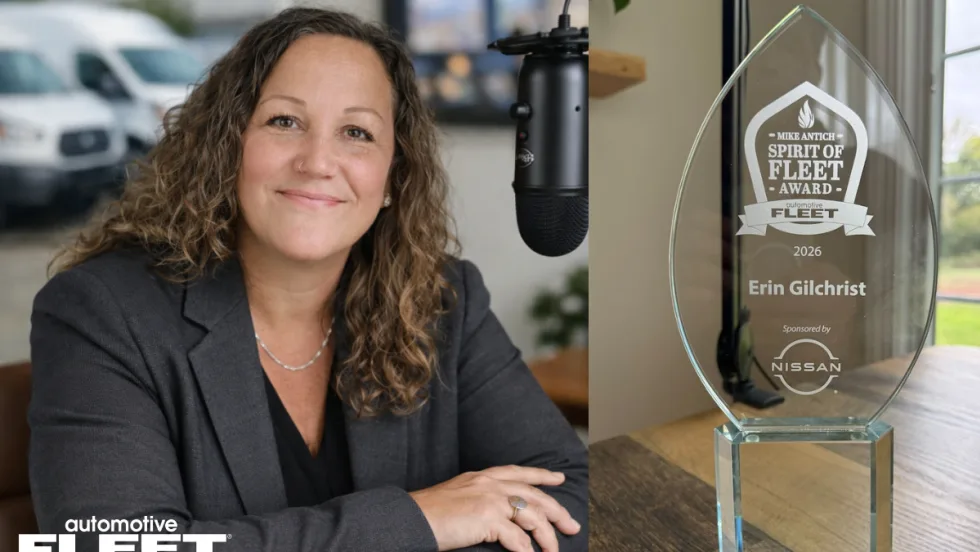
Erin Gilchrist Receives Mike Antich Spirit of Fleet Award
Last week at AFLA in Vegas, Erin Gilchrist received the inaugural, brand-new Spirit of Fleet Award.
Read More →
Dominika Leja Named the 2026 Fleet Manager of the Year
The AstraZeneca associate director of fleet was recognized for her leadership in fleet electrification, cost savings, and operational transformation.
Read More →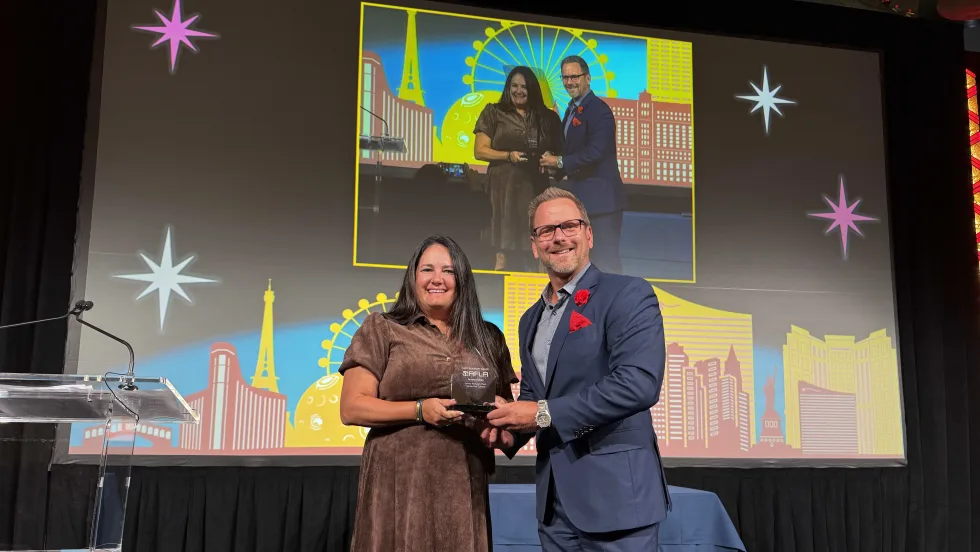
Jamie McKay Named the 2026 Fleet Visionary Award Winner
The Aptive Pest Control fleet manager was recognized for her approach to operations, data, lifecycle management, and driver needs.
Read More →
Fleet Forward Conference Introduces One-Day Passes for 2026
New one-day registration gives fleet professionals the flexibility to attend Tuesday, Wednesday, or Thursday, with passes available for $199 through Sept. 18.
Read More →
Vibe Coding: When Fleet Managers Become Software Builders
Five fleet professionals — none with programming skills — discuss how they’re using AI to build fleet solutions in-house and in a fraction of the time.
Read More →
Fleet Forward Conference Tackles Fleet Industry’s Growing Leadership Gap
This session will examine succession planning, knowledge transfer, and the skills the next generation of fleet leaders will need as veteran professionals leave the industry.
Read More →
2026 Fleet Manager of the Year Finalists Announced
Who are the 2026 Fleet Manager of the Year finalists?
Read More →