




Explore More: The Straight Story on the State of Electric Vehicles
EV Transition Could Drag U.S. Auto Market
Analysis: Electric vehicle adoption is happening much slower than expected, and the profit margins are abysmal.
by Brian Finkelmeyer, Cox Automotive
November 30, 2023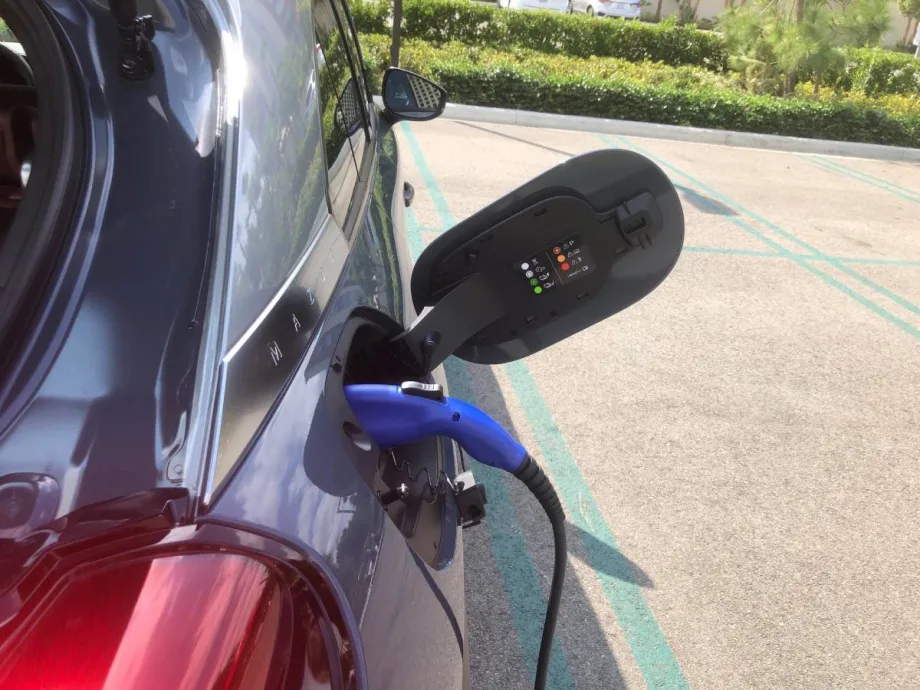
Reluctant consumers remain concerned about charging infrastructure, range, and future resale values.
Photo: Martin Romjue / Bobit
3 min to read
As we approach the final weeks of 2023, with the global pandemic now solidly behind us, the fortunes of the auto industry are shifting.
Electric vehicles are a primary reason for auto industry headwinds, with growing concern about EV demand and the eroding profit margins at automakers and dealerships.
A Swift Reversal in the EV Market
Two years ago, legacy car makers began placing big bets on EV development partly due to Wall Street’s infatuation with EV manufacturers like Tesla, who were rewarded with huge valuations. EV sales have continued to grow from 1% of total industry volume in 2019 to nearly 8% this year, according to estimates from Kelley Blue Book.
But the looming question on everyone’s mind is whether the market has reached peak demand for the current EV offerings. Cox Automotive’s latest inventory tracking shows EV days’ supply is near 100 days’ supply vs. 67 for the wider industry. Reluctant consumers remain concerned about charging infrastructure, range, and future resale values.
As a result of this sluggish demand, incentives continue to climb, reaching close to 10% of transaction price in September before retreating some in October, according to Kelley Blue Book. The comparable overall industry level remains below 5%. Tesla, the EV leader in the U.S. market by far, has been hyper-aggressive in dropping prices on their popular models by an average of $16,687 during the past 12 months. And those price cuts are pressuring the entire industry. Ford reported an EBITA loss of $1.3 billion in Q3 in its Model-e business, demonstrating how challenging this transition will be. And Mercedes Benz’s CFO recently commented, “I can hardly imagine the current status quo is fully sustainable for anybody.”
These shifting winds are causing OEMs to reshape their EV ambitions. GM announced it is abandoning its goal of producing 400,000 EVs by mid-2024. They are also postponing a $4 billion EV truck plant project in Michigan. Ford recently announced they are postponing $12 billion worth of planned EV investment due to “tremendous downward pressure on prices.” Honda just announced they are canceling their partnership with GM to produce a range of less expensive EVs. And lastly, VW just postponed their flagship Trinity EV plant development in Germany to 2030.
Jack Hollis, the head of sales at Toyota, said, “It took us 25 years, and we (the industry) are still not at 10% hybrid; the consumer is not demanding EVs at that level.” Toyota continues to advocate for a broad range of fuel types to meet environmental and consumer needs instead of solely focusing on EVs.
Bottom line: The EV transition is going to be a drag on the U.S. auto market for years to come.
Brian Finkelmeyer is the senior director of new car solutions at Cox Automotive.
Topics:New Vehicle SalesElectric VehiclesFleet electrificationvehicle manufacturersGreen FleetFleet Forward
Originally posted on Charged Fleet
Subscribe to Our Newsletter
More Green Fleet
Sponsored•October 1, 2026
New Propane Autogas Program Offers Fleet Compensation
Qualified commercial fleets can receive $7,500 per eligible propane autogas vehicle and up to $10,000 for new refueling site prep. Learn how the program works and see whether your fleet qualifies.
Read More →
EV Charging Use Is Outpacing Infrastructure Growth
ChargePoint’s 2026 Charging Forward Report points to rising charger use, higher-powered charging, commercial vehicle electrification, and energy-management technology. Here’s what fleets should know.
Read More →
Merchants Fleet Reports 290M EV Miles as Fleets Navigate Changing Electrification Market
From millions in operating savings to hundreds of millions of EV miles, Merchants Fleet’s latest report reveals what’s working and what’s changing in fleet electrification.
Read More →
The EV Breakdown Nobody's Talking About: Why Most Electric Vehicle Roadside Calls Aren't Mechanical Failures
Here's why EV breakdowns are widely misunderstood.
Read More →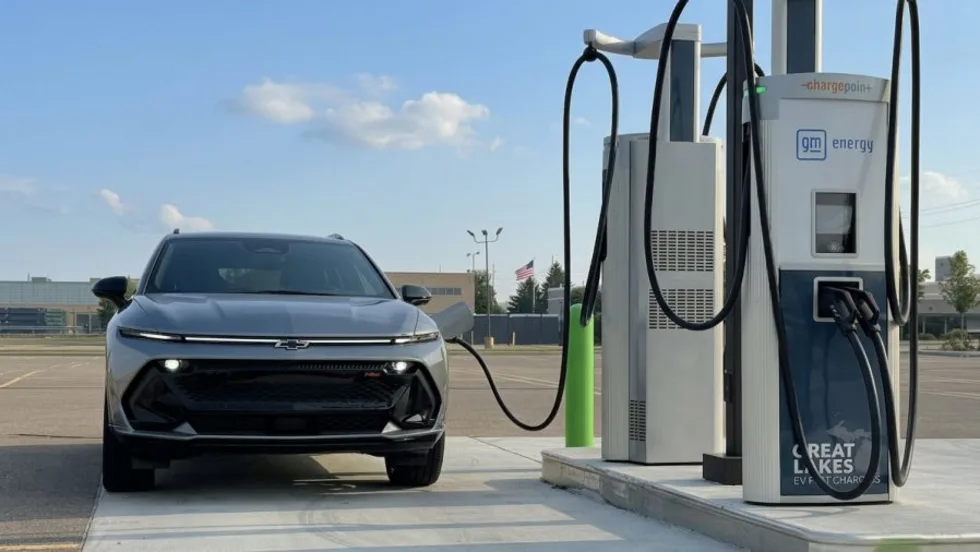
ChargePoint Now Available in Energy Pass
ChargePoint and additional planned charging network integrations were added to GM's Energy Pass.
Read More →

First Look: Slate Auto's Electric Fleet Pickup
Could an affordable, modular EV pickup make electrification more practical for fleets?
Read More →
Slate Debuts Colorful, Unique EV Models
A recent media and client event, studded with electric vehicles dressed up on platforms, planted a new position for the manufacturer in the wider EV market. Fleets will find cost-saving advantages.
Read More →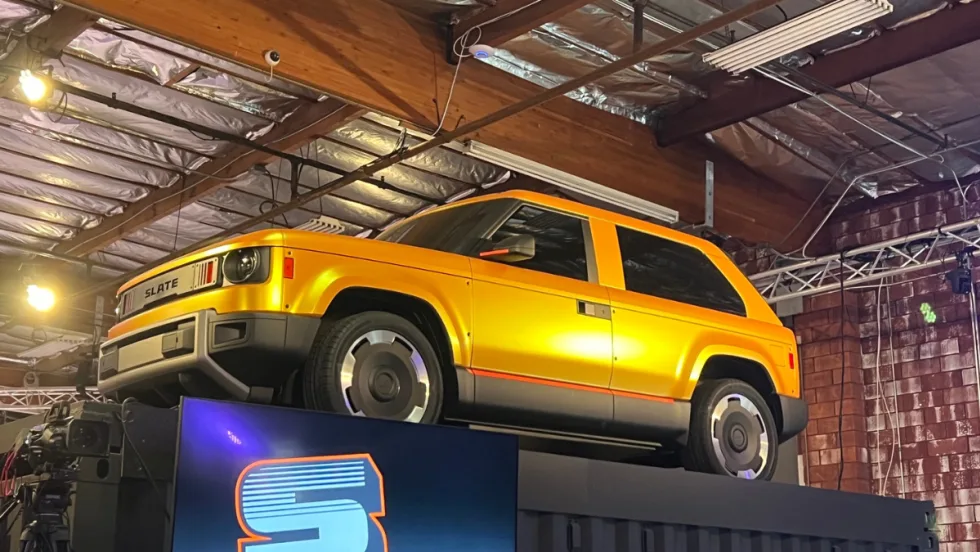
Slate Electric SUV, Pickup Switchable Model Aims For Light-Duty Fleets
Everything about this EV is counterintuitive and understated, making it stand out from the crowd.
Read More →
Inspiration Mobility Acquires Key Electrada Assets
Inspiration Mobility Group has acquired select assets of Electrada, adding the fleet electrification provider's team, technology, and charging infrastructure development capabilities to its energy management business.
Read More →