




Miss This? Fleet Tech to Drive 2022 Services & Revenue
Tips for Navigating the Increase in Available Fleet Technologies
From fleet management software to telematics, maintenance monitoring, AVs, and more, keeping up with new tech is a job in itself! Check out these top tips for successfully navigating new innovations to keep your fleet running smoothly.
by By Rachael Plant, Fleetio
January 30, 2023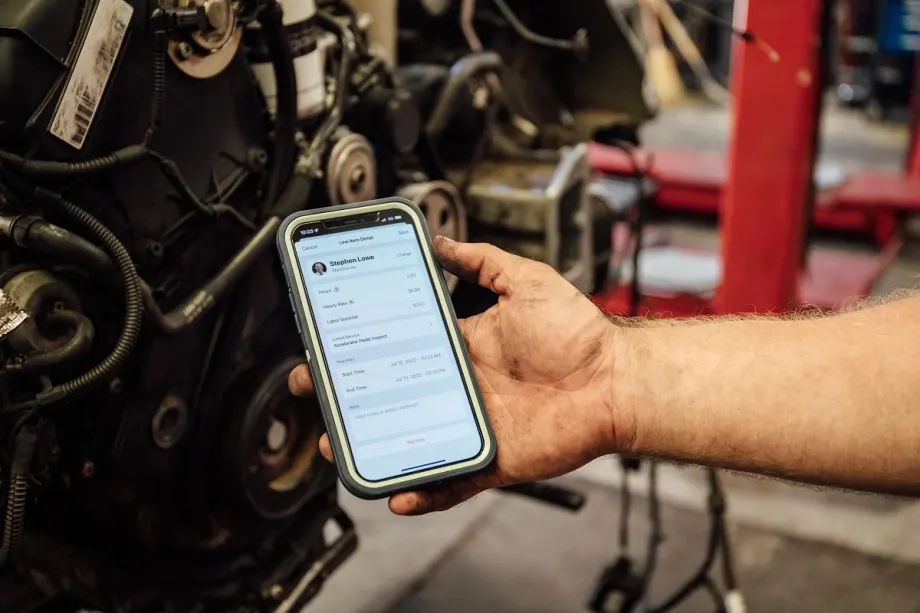
Knowing what metrics matter and being able to prove the ROI of your tools is crucial for stakeholder buy-in.
Photo: Fleetio
5 min to read
With many available fleet technologies on the market, it can be difficult to know which solutions work best for your fleet and what software you can use to consolidate disparate systems onto one platform for easier management.
Below are a few tips from Fleetio to help fleets navigate the influx of technologies for improved operational management.
Rise in Fleet Management Technologies
Over the years, the fleet industry has seen a transition in the fleet manager’s role. Fleet managers don’t just look after mechanical assets, they also talk to vendors, purchase products, and liaise between fleet and other departments. With the fleet manager’s role becoming more cross-functional, there is a need for fleet managers to understand the technology at their disposal, as well as the business and finance side of fleet.
Starting with VMRS in the 1970s, fleet technologies graduated to the rise of fleet management companies in the ‘80s and telematics and fleet management software (FMS) in the ‘90s and beyond. Today, there’s an abundance of different fleet technologies available to help fleet managers improve their operation, enhance safety, improve cross-departmental communication, and maintain a fleet that runs smoothly. However, in an age of numerous fleet technologies, addressing different use cases with differing levels of functionality through multiple means, it can be difficult to pinpoint the best solution for your fleet.
Here are the top three tips for helping managers successfully navigate fleet technologies.
1. Assess Fleet Needs and Goals
Before even looking at available products, consider the near- and long-term goals for your fleet. What’s the main focus of improvement you’re looking for (i.e. better control of fuel spend, increased preventive maintenance [PM] compliance, improved ROI)? If you’re looking, for example, to address issues around PM compliance, you’ll need to be able to know which fleet technology matches up with that goal, and whether different technologies you choose can integrate to help your fleet meet that goal. Additional considerations include:
What level of customization is needed around data collection and reporting?
What metrics are you focused on tracking and improving?
Can the solution scale with the business?
It’s a good idea to map out what meeting your fleet goals might look like. For instance, a reduction in fleet expenses could mean better tracking and monitoring of fuel use, maintenance and repair spend, driver behavior, and asset procurement and replacement cycles, so you’d need one solution that addressed all those points, or a couple of integrated solutions that could track and consolidate that data.
Because many fleets must jump through hoops to get necessary equipment and tools, getting stakeholder buy-in is essential. Understanding what metrics are important to stakeholders can prove beneficial when requisitioning fleet solutions. CEOs and CFOs typically want to see more high-level metrics relating to ROI; they want to know if the fleet needs to spend the money and what the benefit is from spending the money. Alternatively, COOs may need convincing as to how new purchases will increase productivity. The safety manager will likely be most interested in data related to driver behavior. These are all considerations to take when evaluating what fleet solution to choose and how to pitch the purchase to stakeholders.
2. Understand the Capabilities of Different Technologies
Because not all fleet technologies are created equal, it’s important to understand what technologies address which problems. Some of the more prominent fleet technologies include:
AV technology: AV tech’s main focus is safety, and Level 1 and 2 autonomy is offered by most OEMs. This covers such safety features as automatic emergency braking, collision warning, lane departure warning, adaptive cruise control, and lane keeping assist.
Telematics: Telematics tends to focus on compliance and fleet health. Telematics uses GPS tracking and onboard diagnostic reading capabilities to monitor the health of fleet assets. While some automotive OEMs offer embedded telematics, many fleets rely on telematics providers who offer a combination of plug-in hardware with software that manages the data pulled from the assets.
Connected vehicle APIs: While most vehicles on the road in the United States today are connected, using connected vehicle application programming interface (API) technology is still quite new. Connected vehicle APIs will potentially offer the same benefits as telematics and are focused primarily on EVs and other vehicles that don’t offer access to an OBD II port.
Fleet Management Software: FMS focuses on boosting fleet efficiency in several ways, including automating workflows. FMS tracks fleet data and provides integrations and APIs with other technologies to allow automatic data consolidation across your entire operation for improved fleet performance monitoring. Additionally, FMS aggregates collected data into easy-to-read reports you can send to stakeholders so everyone can quickly see the metrics they need to influence decisions.
3. Implement a Consolidation Solution
In fleet, productivity can directly impact profitability, and fleets are seeing the benefit of strategic fleet technology implementation. Some of the aforementioned technologies may have overlapping capabilities, but it’s likely that fleet managers will recognize the need to implement more than one technology to effectively meet the fleet’s goals.
An integrated fleet management system provides significant productivity and uptime benefits by streamlining processes and decreasing data overload through automated workflows, as well as automated data consolidation. Consolidated solutions offer robust, configurable reporting to meet fleet and stakeholder needs, so look for a solution that provides such consolidation features as integration partners and a public API, as this allows fleets to marry disparate solutions onto a single dashboard for easier management.
Subscribe to Our Newsletter
More Operations

The Next Evolution of Fleet Management: Autonomous Operations
This opening keynote session at the Fleet Forward Conference highlights the future of autonomous driving for fleets.
Read More →
How to Reduce the Total Cost of Risk From Catalytic Converter Theft
A stolen catalytic converter can cost fleets far more in downtime and lost productivity than in repairs. A total-cost-of-risk approach can help fleet managers quantify their exposure and prioritize theft prevention.
Read More →
Personal-Use Charges Rise as Vehicle Values Fall | AF News Recap
Personal-use charges are climbing, wholesale used-vehicle values are declining, and commercial fleet sales growth is slowing. This week, we're breaking down the latest fleet data, plus how Element Fleet Management is helping Waymo prepare for its first Canadian robotaxi market.
Read More →

Here's When You Should Make an Exception to Fleet Policy
Fleet policies are designed to create consistency, but not every driver or situation fits neatly within standard rules.
Read More →
AI-Native or AI-Acquired: What Should Fleet Managers Look for in an AI Platform?
Six questions can help fleet managers look beyond AI marketing claims to evaluate integration, data access, and real-world operational performance.
Read More →
Sponsored•October 14, 2026
A buyer's guide to fleet management software in 2027
Buying fleet management software in 2027 means looking beyond features and price. As fleet operations, technology and expectations evolve, this guide explores what today’s fleet professionals should consider when choosing a system that can deliver value now and adapt to what comes next.
Read More →
What Will Shape the Next Era of Fleet Management?
EVs, AI, and autonomous vehicles are reshaping fleet management. Discover what’s ahead—and how fleet leaders can prepare for the next era.
Read More →
How Fleets Can Recruit and Train Veterans for Technician Roles
Here's how the technician shortage has affected uptime for fleets, and what to do about it.
Read More →
Avis Budget Group Deploys Neology Toll Management Technology Across Major Brands
Neology’s neoFleet platform will manage toll transactions and toll-authority operations for vehicles across Avis, Budget, Payless, Budget Truck and Zipcar.
Read More →
Fleet Personal-Use Charges Edge Higher in 2026
Nearly eight in 10 surveyed fleets allow personal use of company vehicles, while just over half of respondents report charging employees for the privilege.
Read More →