




About the Author: Lisa Drake joined Merchants Fleet in 2021 as program manager of Fleet Electrification. Drake brings close to three decades of environmental and sustainability expertise to help Merchants drive electrification in the fleet industry and develops new tools and resources for successful EV adoption.
Buying vs. Leasing Electric Vehicles: Pros & Cons
As your fleet plans out its electrification roadmap, consider whether buying or leasing EVs make sense for your needs. Here’s what to consider.
by Lisa Drake, Merchants Fleet
December 15, 2022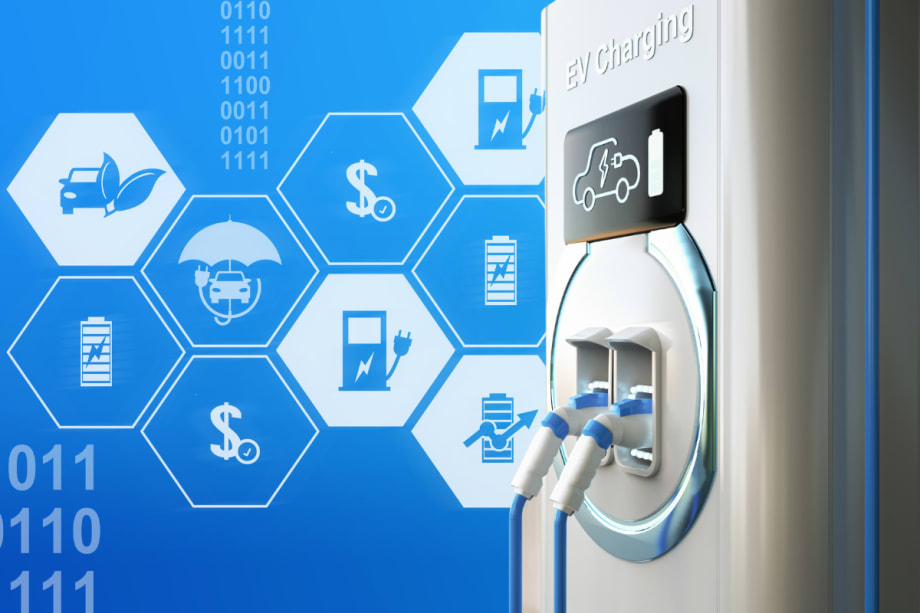
One pro to leasing an EV is the ability to trade it in without losing money to take advantage of new model features or tech.
Photo: Bobit
4 min to read
Electric vehicles, or EVs, are the future of the commercial fleet, due in large part to their lower long-term environmental impact. The popularity of EVs among individual consumers has been steadily rising, and with new commitments to higher EV production and deployment, it seems there’s no turning back. Fleet owners and managers are being urged to plan for when — not if — they go electric.
If you’re ready for full or partial fleet electrification, consider whether buying or leasing your EVs will make the most sense for your business.
Buying EVs for Your Fleet: Pros & Cons
When you purchase an EV, there’s a good chance you can take advantage of the following.
Federal and state tax credits
Starting in 2023, owners of commercial EVs in the U.S. may be eligible for a tax credit worth up to $40,000 per vehicle. Some state and municipal governments also offer tax incentives or other forms of incentives to local EV owners. Electric utility companies may offer discounts and rebates to customers who drive EVs or install EV charging equipment, but the terms vary by utility.
Long battery warranties
EV batteries carry warranties that cover eight years or 100,000 miles, per federal requirements. Fortunately, the average lifespan of an EV battery is eight to 12 years, as is the average amount of time a U.S. driver will keep the same car. This is a major selling point since the battery is the most expensive component in an EV. Fleet owners should consider how long they plan to keep their EV and the impact of warranties on their vehicle turnover plans.
Fuel savings
It’s a significant shift from gas or diesel vehicle fueling to electric charging, and one that comes with some significant savings. Provided fleet drivers and owners have access to charging stations, EVs have enough “fuel” to get drivers where they need to go within budget and on schedule.
Fewer moving parts
In general, EVs contain fewer components than internal combustion engine (ICE) vehicles, which can translate to a less frequent need for maintenance and less costly repairs. This is important to note when considering buying vs. leasing, especially in case ownership extends past the warranty term, since owners may not need to spend as much on repairs post-warranty.
While the benefits of EV ownership may be enough to attract many fleet owners, there are some caveats to consider when electrifying your fleet through purchasing EVs.
Uncertain future value
While new EV models may be cutting-edge now, the technology is evolving so quickly that their resale value is unknown. It’s difficult to predict exactly how an EV’s value will change over time, but each new generation will presumably be more innovative than the last.
Higher up-front cost
EVs generally carry a higher retail price than ICE vehicles due to their high-tech components and the cost of lithium battery production. However, EVs have proven to have a lower total cost of ownership (TCO) based on fuel savings and having fewer parts that may need repairs or replacement.
Need for skilled technicians
EVs come with high-tech components that require a specialized skill set in addition to standard automotive repair knowledge, so it is the fleet owners’ responsibility to have a maintenance plan in place.
Not ready to commit to owning your own EV fleet vehicles? Leasing may be the better option as you weigh the conditions of ownership.
Leasing EVs for Your Fleet: Pros & Cons
When you lease an EV, you experience many of the same benefits of leasing a traditional ICE vehicle, including warranty protection and lower monthly payments. However, there are a few unique benefits that come with leasing EVs for your fleet and some additional considerations.
Try out new technology
With the high rate of innovation in the EV space, you may want to take advantage of the opportunity to turn in your vehicle at the end of a lease term and try out new models and technology upgrades.
Take advantage of incentives
While EV owners can score a tax credit on their purchase, EV lessees need to consider whether they can realize the benefit of the tax credit through their leasing arrangements by consulting with their leasing partner. Many incentives and rebates are tied to EV charging infrastructure costs rather than the EV itself
That said, there is one potential downside to be aware of when leasing EVs.
Additional upfront costs
Organizations that lease EVs for their fleets will have to contend with additional expenses — such as funding a vehicle upfit — even if their commitment to the vehicle is for a shorter term than standard outright ownership. A charging strategy must be implemented too, whether that involves installing charging infrastructure at a depot or at employees’ homes, or opting to use public charging stations. Public charging stations carry the drawback of potential availability issues or extra downtime for drivers.
As the push toward an electric future gains momentum, fleet owners will need to weigh all of these factors while planning for EV adoption. Fortunately, the majority of fleet owners are riding the same wave, so there will be plenty of resources available to navigate this societal shift. Leverage the expertise of your fleet management company partner to help you navigate these considerations.
Subscribe to Our Newsletter
More Green Fleet
Sponsored•October 1, 2026
New Propane Autogas Program Offers Fleet Compensation
Qualified commercial fleets can receive $7,500 per eligible propane autogas vehicle and up to $10,000 for new refueling site prep. Learn how the program works and see whether your fleet qualifies.
Read More →
EV Charging Use Is Outpacing Infrastructure Growth
ChargePoint’s 2026 Charging Forward Report points to rising charger use, higher-powered charging, commercial vehicle electrification, and energy-management technology. Here’s what fleets should know.
Read More →
Merchants Fleet Reports 290M EV Miles as Fleets Navigate Changing Electrification Market
From millions in operating savings to hundreds of millions of EV miles, Merchants Fleet’s latest report reveals what’s working and what’s changing in fleet electrification.
Read More →
The EV Breakdown Nobody's Talking About: Why Most Electric Vehicle Roadside Calls Aren't Mechanical Failures
Here's why EV breakdowns are widely misunderstood.
Read More →
ChargePoint Now Available in Energy Pass
ChargePoint and additional planned charging network integrations were added to GM's Energy Pass.
Read More →
First Look: Slate Auto's Electric Fleet Pickup
Could an affordable, modular EV pickup make electrification more practical for fleets?
Read More →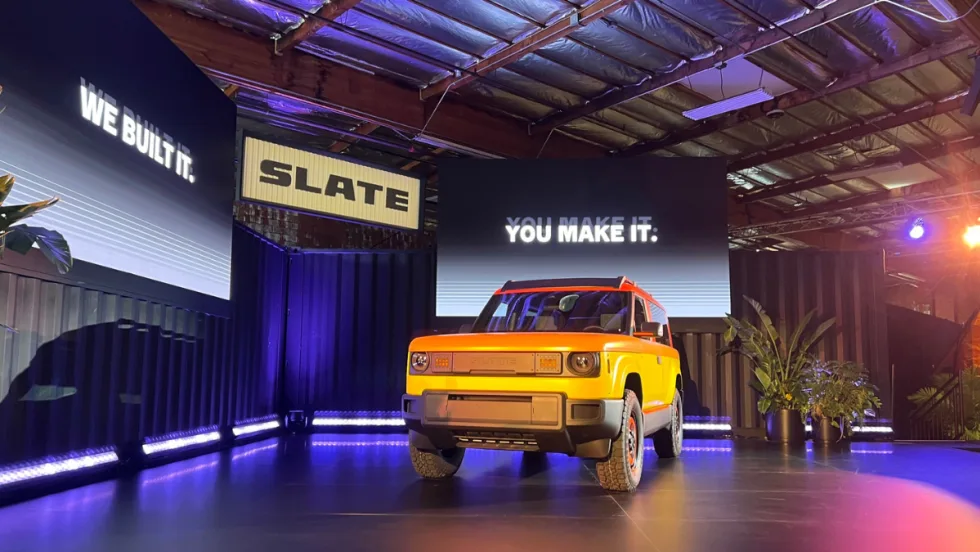
Slate Debuts Colorful, Unique EV Models
A recent media and client event, studded with electric vehicles dressed up on platforms, planted a new position for the manufacturer in the wider EV market. Fleets will find cost-saving advantages.
Read More →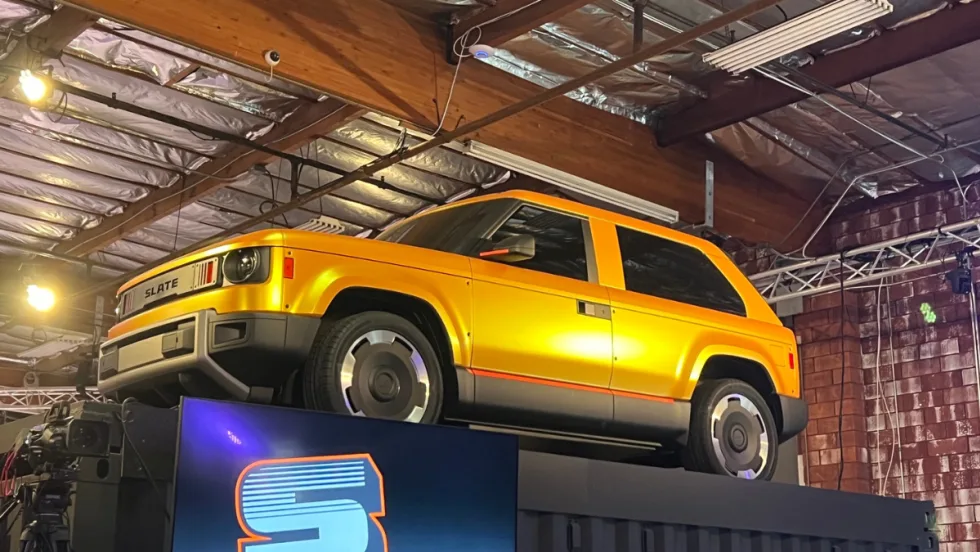
Slate Electric SUV, Pickup Switchable Model Aims For Light-Duty Fleets
Everything about this EV is counterintuitive and understated, making it stand out from the crowd.
Read More →
Inspiration Mobility Acquires Key Electrada Assets
Inspiration Mobility Group has acquired select assets of Electrada, adding the fleet electrification provider's team, technology, and charging infrastructure development capabilities to its energy management business.
Read More →