




Legislation Introduced to Combat Catalytic Converter Thefts
The Preventing Auto Recycling Thefts (PART) Act can help address catalytic converter thefts by marking each converter with a traceable identification number and establishing these thefts as a criminal offense.

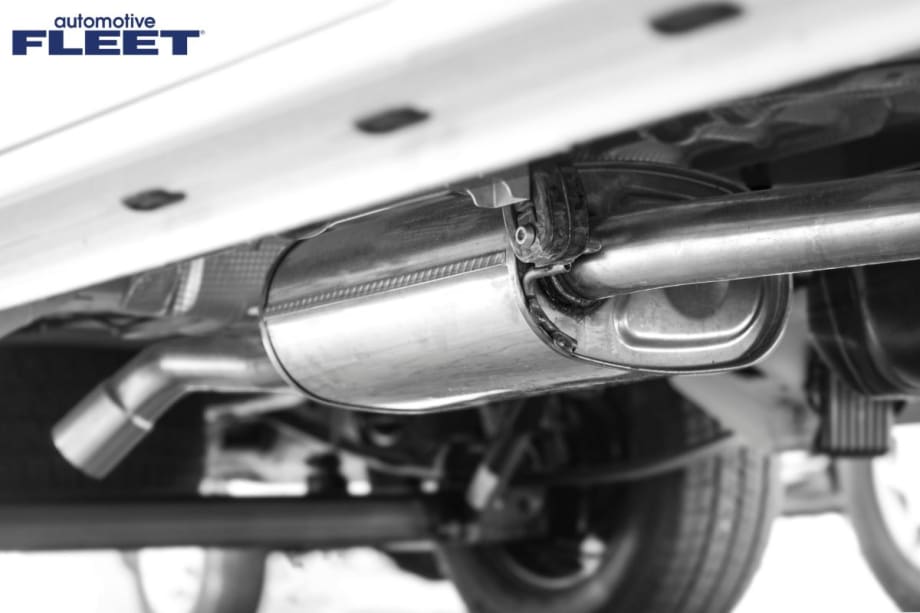
The PART Act has broad support from industry associations such as NADA, NAFA, ATA, TRALA, and ACRA, the American Car Rental Association.
Photo: Canva
U.S. Senators Amy Klobuchar (D-Minn.) and Ron Wyden (D-Ore.) have introduced legislation to combat the rise in catalytic converter thefts, according to a news release.
The Preventing Auto Recycling Thefts (PART) Act would ensure that law enforcement can more effectively address these thefts by marking each converter with a traceable identification number and establishing converter thefts as a criminal offense.
“Throughout the country, we’ve seen an alarming increase in catalytic converter thefts,” said Klobuchar. “These converters can be easily taken from unattended cars but are difficult and expensive for car owners to replace. By making catalytic converter theft a criminal offense and ensuring each converter can be easily tracked, our legislation would provide law enforcement officers with the tools and resources they need to crack down on these crimes.”
“The theft of catalytic converters hurts the pocketbooks of working families and small business owners already struggling with rising costs,” said Wyden. “By strengthening local law enforcement’s ability to locate stolen car parts, we will be one step closer in the fight to end catalytic converter theft.”
Catalytic converters are used to reduce the potency of toxic emissions from an internal combustion engine and required for vehicle compliance with the Clean Air Act. According to the National Insurance Crime Bureau, catalytic converter thefts rose by over 325% from 2019 to 2020. Replacing these parts imposes significant financial costs to vehicle owners – often between $500 to $2,300 and can even result in a total loss to the vehicle.
The PART Act would:
Require new vehicles to have a Vehicle Identification number (VIN) stamped onto the converter to allow law enforcement officers to link stolen parts to the vehicle from which they originate.
Create a grant program through which entities can stamp VIN numbers onto catalytic converters of existing vehicles.
Improve record keeping standards for purchasers of used catalytic converters.
Establish enforceability of laws around catalytic converter theft by codifying these crimes as a criminal offense.
The bill has received the endorsement of the National Automobile Dealers Association (NADA), the American Truck Dealers (ATD), the American Trucking Associations (ATA), the Automotive Recyclers Association (ARA), the National Automatic Merchandising Association (NAMA), the National Independent Automobile Dealers Association (NIADA), the American Car Rental Association (ACRA), the NAFA Fleet Management Association, the National Insurance Crime Bureau (NICB), the National RV Dealers Association (RVDA), the National Salvage Vehicle Reporting Program (NSVRP), NTEA — The Association for the Work Truck Industry, the National Consumers League (NCL), the National Private Truck Council, and the Truck Renting and Leasing Association (TRALA).
Representative Jim Baird (R-Ind.) leads companion legislation in the House of Representatives.
“Catalytic converter theft is out of control nationwide,” said Mike Stanton, NADA’s president and CEO. “Because converters currently can’t be traced and laws are different from state to state, criminals see catalytic converter theft as easy money. This is a huge issue for dealerships and consumers alike. We thank Senators Klobuchar and Wyden for their leadership on the PART Act, which will provide critical tools for law enforcement to help stem the skyrocketing rise of catalytic converter theft.”
“Fleet managers are reporting that their companies and government agencies are incurring substantial financial costs and loss of vehicle productivity as a result of the theft of catalytic converters,” said Bill Schankel, CEO of NAFA Fleet Management Association. “We thank Senators Klobuchar and Wyden for sponsoring this legislation which will keep fleet vehicles on the road and out of the repair shop.”
“The nation’s car rental companies applaud Senator Klobuchar’s and Senator Wyden’s leadership on the important issue of uniform standards to mark catalytic converters and create a transparent secondary market to deter theft,” said Sharky Laguana, president of the American Car Rental Association (ACRA) and CEO of Bandago of San Francisco. “Virtually every car rental company in the country has been victimized by thefts of catalytic converters – thefts that drive up operating costs dramatically – and ACRA urges the Senate to consider this legislation as soon as possible.”
“TRALA has been working on the prevention of catalytic converter theft in many states across the nation to combat this growing problem in our industry,” said Jake Jacoby, president and CEO of the Truck Renting and Leasing Association (TRALA). “TRALA welcomes Senators Klobuchar’s and Wyden’s efforts to establish a federal framework for theft prevention. We look forward to working with Senators Klobuchar and Wyden in moving this important legislation to the president’s desk and into law.”
More Operations

How Fleets Can Recruit and Train Veterans for Technician Roles
Here's how the technician shortage has affected uptime for fleets, and what to do about it.
Read More →
Avis Budget Group Deploys Neology Toll Management Technology Across Major Brands
Neology’s neoFleet platform will manage toll transactions and toll-authority operations for vehicles across Avis, Budget, Payless, Budget Truck and Zipcar.
Read More →
Fleet Personal-Use Charges Edge Higher in 2026
Nearly eight in 10 surveyed fleets allow personal use of company vehicles, while just over half of respondents report charging employees for the privilege.
Read More →
The Future of Fleet + What’s Changing Right Now | AF News Recap
Could developments overseas offer a preview of what’s coming for U.S. fleets? This week, we’re looking at the future of AI, autonomy, and electrification, plus Ford Pro’s new certified pre-owned program, smarter vehicle offboarding, and a new way for fleets to manage toll expenses.
Read More →
How to Handle Vehicle Offboarding
What do fleet managers need to do when a driver leaves?
Read More →
Fleet Manager’s Ultimate Playbook: Navigating the New Standard in OEM Connectivity
Rising operating costs, driver safety concerns, and unplanned downtime are putting unprecedented pressure on modern fleets. Discover how fleet managers use embedded OEM connectivity and real-time vehicle data to cut TCO, prevent downtime, and protect drivers without aftermarket telematics hardware.
Read More →
U.S. Bank Adds Verra Mobility Toll Management to Voyager Fleet Platform
The integration allows U.S. Bank Voyager fleet customers to manage toll payments and violations alongside fuel, EV charging and maintenance expenses.
Read More →
ADAS Prevents Crashes. But Repairs Cost More | AF News Recap
ADAS-equipped vehicles may crash less often, but they can cost more when they do. This week, we’re breaking down what that tradeoff means for fleets, plus Subaru’s first Forester Wilderness Hybrid, Nissan’s new e-POWER Rogue, and why Calstart has become Catalyst Mobility.
Read More →
Moventum Fleet Management Names Mark Iorillo Head of Sales
Iorillo brings nearly 20 years of fleet management and sales experience to the role, including previous positions at Element Fleet Management, CEI, Donlen and Ryder.
Read More →
Fleet Has a Talent Pipeline Problem. What Comes Next? | AF News Recap
Where will fleet’s next generation of leaders come from? This week, we’re looking at the industry’s talent pipeline, what certification can add to a fleet career, how to build an award-worthy track record, and the return of Automotive Fleet’s Personal Use Survey.
Read More →