





See Also: Pedestrian Fatalities Spike 17% in First Half of 2021
2021 Sees Largest Increase in Pedestrian Traffic Deaths in Four Decades
The latest projections from the Governor’s Traffic Highway Safety Administration find pedestrian roadway fatalities rose by 11.5% in 2021 as compared with 2020.
July 29, 2022
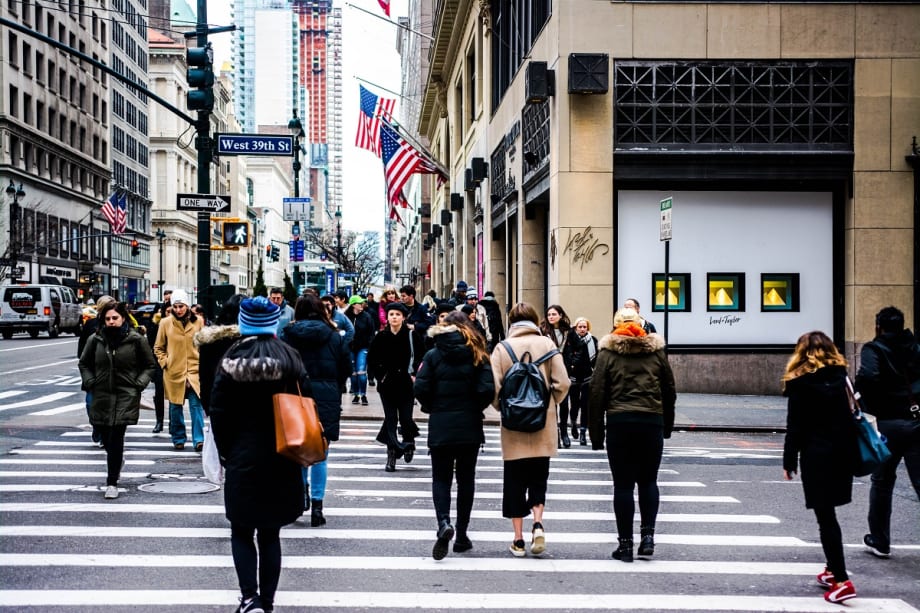
In 2021, an estimated 7,485 pedestrians lost their lives in traffic collisions.
Photo: unsplash.com/Vlad Hilitanu
2 min to read
In 2021, some 7,485 pedestrians lost their lives in traffic collisions — an 11.5% increase over the 6,607 deaths in 2020, according to the latest projections from the Governor’s Highway Safety Administration (GHSA). That translates into the largest increase in pedestrian fatalities in four decades.
Some states fared better than others. For the full year 2021, pedestrian fatalities are projected to have increased in 37 states and the District of Columbia, remain unchanged in three states, and decreased in only 10 states.
Two states — Florida and Texas — each had more than 100 additional pedestrian deaths in 2021 as compared with the previous year. Specifically, Florida experienced 183 lost lives and Texas saw 111 pedestrians die on the state’s roadways.
In addition, seven states experienced an increase of more than 30% in the number of people on foot struck and killed by a motor vehicle. These included Maine with a 122% increase, West Virginia (100%), Wyoming (71%), District of Columba (70%), Vermont (33%), Arkansas (33%), and Illinois (30%).
Evaluating 2020 Pedestrian Crash Data to Determine Trends
In addition to looking at 2021 national and state fatality data, GHSA’s report also assesses 2020 national FARS data to determine trends linked to the rise in pedestrian fatalities.
For example, the 2020 national FARS data, which include data from police crash report forms, provide additional insight into the characteristics of the 6,516 pedestrian fatalities currently recorded in the system. 2020 trends linked to pedestrian collisions — speeding, impaired driving, and other risky behaviors — appear to have continued in 2021.
In 2020, the percentage of pedestrian fatalities with speeding cited as a factor increased approximately 20%, from 7.2% to 8.6%.
Speed has a significant impact on pedestrian safety. Research shows the average risk of death for pedestrians increases exponentially the faster a vehicle is traveling, from just 10% at 23 mph to 90% at 58 mph.
Meanwhile, alcohol impairment continues to be a factor for both fatally injured pedestrians as well as the drivers involved in these crashes. In 2020, 31.2% of pedestrians ages 16 or older killed in motor vehicle crashes had a BAC of 0.08% or greater. Looking at drivers, in 2020, 16.1% of pedestrian fatalities involved a driver with a BAC of 0.08 or higher.
Finally, the GHSA report finds that most pedestrian fatalities occur at night, a surprising number take place on interstates or other roads not designed for foot traffic, and SUVs or other larger vehicles are involved in an increasing proportion of pedestrian deaths.
More Safety

Sponsored•October 1, 2026
Fleet Manager’s Ultimate Playbook: Navigating the New Standard in OEM Connectivity
Rising operating costs, driver safety concerns, and unplanned downtime are putting unprecedented pressure on modern fleets. Discover how fleet managers use embedded OEM connectivity and real-time vehicle data to cut TCO, prevent downtime, and protect drivers without aftermarket telematics hardware.
Read More →
From Driver Well-Being to EV Charging | AF News Recap
Mental health belongs in the fleet safety conversation. This week, we’re looking at five ways fleets can support employee well-being before a crisis, plus Holman’s expansion in Mexico, new one-day Fleet Forward passes, and why EV charging demand is outpacing infrastructure growth.
Read More →
Nexar-Nauto Merger Aims to Give Fleets Better Safety Intelligence Through Larger Driving Dataset
Stefan Heck tells Automotive Fleet that combining more than 10 billion miles of driving history with Nexar's AI models will give fleets deeper insights into driver risk and roadway conditions than either company could provide independently.
Read More →
Don't Wait for a Crisis: 5 Ways to Build Mental Health Into Your Fleet Safety Program
For Suicide Prevention Month, fleet and safety leaders have an opportunity to put mental health where it belongs: at the center of workplace safety.
Read More →
How Camera Data Can Strengthen a Fleet’s Insurance Renewal
Insights from a commercial insurance carrier and a broker show how fleets can turn video telematic data, driver coaching, and improved claims results into a stronger case at insurance renewal.
Read More →
The Safest Fleets Aren’t the Ones with the Most Technology
You’ve made the telematics investment. Here’s how to capture the other half of its value and build the safest fleet on the road.
Read More →
Sponsored•August 7, 2026
Hidden in Plain Sight: Fleet Compliance Risks
Fleet compliance isn't just about having policies — it's about consistently enforcing them. This practical guide reveals six hidden compliance risks common in public sector and shared fleet operations and outlines proven strategies to improve visibility, accountability, and audit readiness
Read More →
NETS Sets 2026 Fleet Safety Benchmark Conference for Indianapolis
The Sept. 15–17 program will feature fleet benchmarking data, case studies, emerging technologies, and implementation strategies while running alongside the NSC Safety Congress & Expo.
Read More →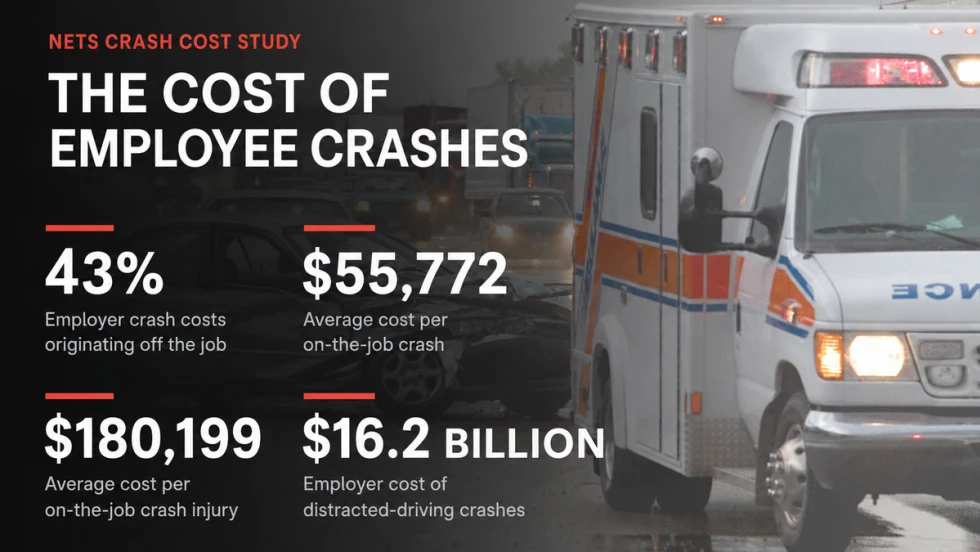
Off-the-Job Crashes Account for 43% of Employers’ $61.7 Billion Crash Burden
NETS quantifies costs dispersed across fleet, risk, HR, and other departments while providing new per-crash benchmarks for employers.
Read More →
Ram Recalls More Than 1.27 Million 1500 Pickups for Seat Belt Anchor Issue
The recall affects certain 2019-2026 Ram 1500 pickups that may have improperly attached second-row seat belt buckle anchors.
Read More →