




Combatting Reckless Driving with Speed Safety Cameras
An uptick in speeding is one factor linked to the staggering 43,000 crash fatalities in 2021. Can speed safety cameras help reverse the trend?

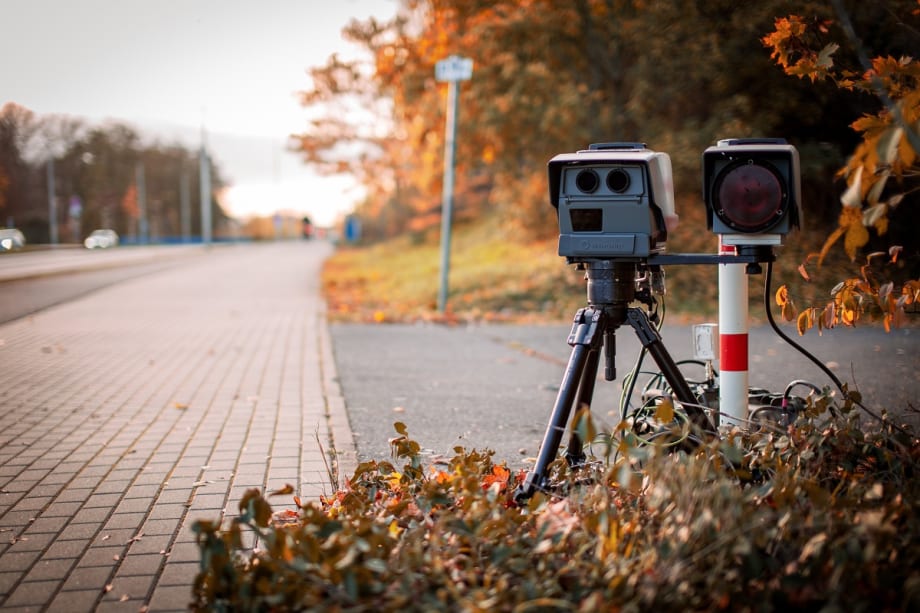
Speeding remains one of our nation’s most serious roadway problems. New York City reports good results and expands its utilization of speed safety cameras.
Photo: Denny Müller/Unsplash
Some 9,478 people lost their lives in speeding-related crashes in the U.S. in 2019 alone, according to the National Highway Traffic Safety Administration (NHTSA). Moreover, research shows that during the early days of the pandemic there was an uptick in the risky driving behavior, and experts say the speeding trend seems to have stuck.
The fact is, speeding remains one of our nation’s most serious roadway problems and many safety advocates and traffic officials are searching for innovative ways to combat the problem. Speed safety cameras — a type of automated enforcement technology used to detect and deter speeders — are among the countermeasures to consider.
“According to NHTSA’s recently released fatality data, nearly 43,000 Americans were tragically killed on roads in 2021 — a jump of more than 10% over the year prior,” said David Roberts, president and CEO, Verra Mobility. “With traffic deaths reaching levels not seen since 2006, drivers are facing an unparalleled crisis on today’s modern roads.”
Verra Mobility is focused on promoting enhanced safety for all road users, particularly for vulnerable users like pedestrians and bicyclists. These road users are better protected by intelligent road safety cameras, which are effective at monitoring, capturing, and changing unsafe driving behaviors, Roberts noted.
The Federal Highway Administration (FHWA) acknowledges that enforcing safe speeds has been challenging. On its website, FHWA states “Agencies can use speed safety cameras as an effective and reliable technology to supplement more traditional methods of enforcement, engineering measures, and education to alter the social norms of speeding.” Speed safety cameras use speed measurement devices to detect speeding and capture photographic or video evidence of vehicles that are violating a set speed threshold.
Utilizing the Technology, Measuring Effectiveness
Presently, 19 states and the District of Columbia have passed laws that permit the use of speed cameras while eight states have passed laws that prohibit the use of speed cameras, according to the Governor’s Highway Safety Association.
Several municipalities have measured the effectiveness of speed cameras to reduce speeding and crashes and deter future violators. New York City is an interesting case in point.
Recently, state lawmakers and city leaders reached an agreement to make speed cameras in New York City operational 24/7. Current law mandates that cameras turn off between 10 p.m. and 6 a.m., as well as the entire weekend, according to a Spectrum News/NY1 report.
However, an analysis of 2020 traffic deaths in the five boroughs found that nearly 40% of non-highway traffic fatalities occurred in speed safety camera zones during the hours in which they were non-operational, according to the report.
Moreover, the New York City Mayor’s Office said in a press release that speed cameras have been proven to be effective in reducing speeding behavior and deterring repeat offenses. In 2021, most vehicles that received one violation did not receive a second.
In addition, as of December 2020, speeding at New York City camera locations during hours of operation had dropped by an average of 72%, according to Spectrum News.
More Safety
IIHS Crash Avoidance Tests Reveal Safety Gaps in Cargo Vans and Work Trucks
New crash-avoidance ratings from the Insurance Institute for Highway Safety reveal inconsistent performance among commercial vehicles, with several popular cargo vans and heavy-duty pickups struggling to avoid collisions with other vehicles and pedestrians.
Read More →
What’s Next for Fleet? Safety, AI & Industry Recognition | AF News Recap
Could your company's culture be encouraging distracted driving? This week, we're exploring how workplace expectations affect driver safety, what AI, EVs, and autonomous vehicles could mean for the future of fleet management, and how fleet professionals can strengthen their award nominations.
Read More →
Does Your Fleet's Culture Encourage Distracted Driving?
What happens when the people responsible for enforcing safety rules are the ones setting the wrong example? The answer may reveal why some of the biggest risks to fleet drivers have little to do with what's written in the employee handbook.
Read More →
Fleet Manager’s Ultimate Playbook: Navigating the New Standard in OEM Connectivity
Rising operating costs, driver safety concerns, and unplanned downtime are putting unprecedented pressure on modern fleets. Discover how fleet managers use embedded OEM connectivity and real-time vehicle data to cut TCO, prevent downtime, and protect drivers without aftermarket telematics hardware.
Read More →
From Driver Well-Being to EV Charging | AF News Recap
Mental health belongs in the fleet safety conversation. This week, we’re looking at five ways fleets can support employee well-being before a crisis, plus Holman’s expansion in Mexico, new one-day Fleet Forward passes, and why EV charging demand is outpacing infrastructure growth.
Read More →
Nexar-Nauto Merger Aims to Give Fleets Better Safety Intelligence Through Larger Driving Dataset
Stefan Heck tells Automotive Fleet that combining more than 10 billion miles of driving history with Nexar's AI models will give fleets deeper insights into driver risk and roadway conditions than either company could provide independently.
Read More →
Don't Wait for a Crisis: 5 Ways to Build Mental Health Into Your Fleet Safety Program
For Suicide Prevention Month, fleet and safety leaders have an opportunity to put mental health where it belongs: at the center of workplace safety.
Read More →
How Camera Data Can Strengthen a Fleet’s Insurance Renewal
Insights from a commercial insurance carrier and a broker show how fleets can turn video telematic data, driver coaching, and improved claims results into a stronger case at insurance renewal.
Read More →
The Safest Fleets Aren’t the Ones with the Most Technology
You’ve made the telematics investment. Here’s how to capture the other half of its value and build the safest fleet on the road.
Read More →
Hidden in Plain Sight: Fleet Compliance Risks
Fleet compliance isn't just about having policies — it's about consistently enforcing them. This practical guide reveals six hidden compliance risks common in public sector and shared fleet operations and outlines proven strategies to improve visibility, accountability, and audit readiness
Read More →