





Biden Calls for All Federal Fleet Purchases to be ZEVs by 2035
NHTSA Calls for Fleet Average of 49 MPG by 2026
Under the government agency's new CAFE standards, passenger cars and light trucks will have new economy requirements in an effort to increase efficiencies and reduce emissions.
April 4, 2022
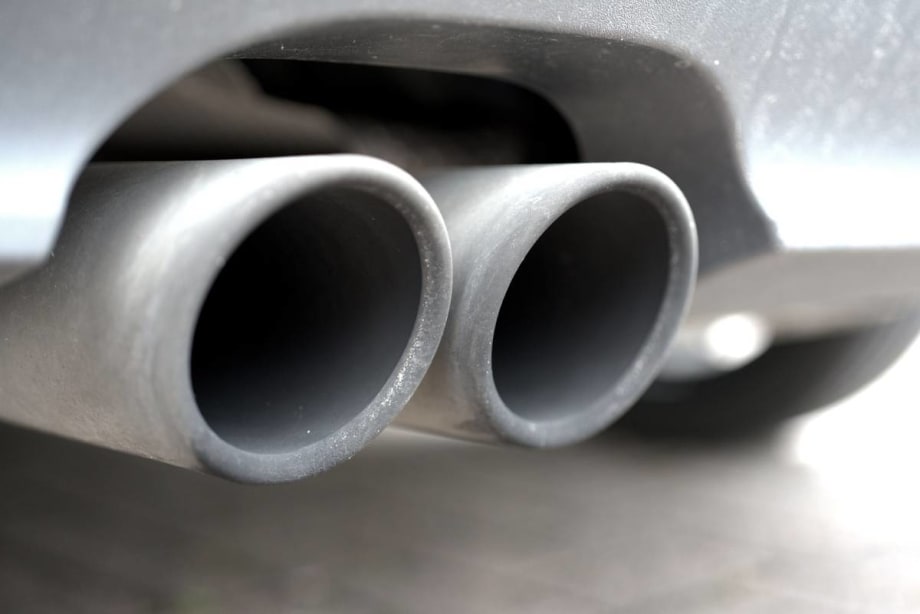
The ruling will affect automakers, starting with an 8% fuel economy increase for model year 2024.
Photo: Andreas Lischka/Pixabay
2 min to read
The U.S. Department of Transportation’s National Highway Traffic Safety Administration (NHTSA) announced new fuel economy standards on April 1. The change comes under President Biden’s executive order to drive American leadership forward on clean cars, according to the NHTSA press release.
The new standards will make vehicle miles per gallon more efficient, save consumers money at the pump, reduce reliance on fossil fuels, and reduce transportation emissions. It is an undoing of the former administration's lowered standards. The new standards follow President Biden’s Executive Order 13990, which directed NHTSA to review the 2020 “The Safer Affordable Fuel-Efficient (SAFE) Vehicles Rule for Model Years 2021-2026 Passenger Cars and Light Trucks” rule.
Dubbed 'Corporate Average Fuel Economy' (CAFE) standards, it requires an industry-wide fleet average of approximately 49 mpg for passenger cars and light trucks in model year 2026, representing the strongest fuel efficiency standards to date. This will increase fuel efficiency 8% annually for model years 2024-2025 and 10% annually for model year 2026. It also increases the estimated fleetwide average by nearly 10 miles per gallon for model year 2026, relative to model year 2021.
While the move will lead to more savings at the pump, it also means higher vehicle costs. NHTSA acknowledged that the new requirement on automakers means the cost of new vehicles will go up by about $1,087 on average.
Since CAFE was signed into law in 1975, the standards have reduced American oil consumption by 25%, or approximately 5 million barrels a day since. The new standards will reduce fuel use by more than 200 billion gallons through 2050, as compared to continuing under the old standards, according to the release.
“Today's rule means that American families will be able to drive further before they have to fill up, saving hundreds of dollars per year,” said U.S. Transportation Secretary Pete Buttigieg. “These improvements will also make our country less vulnerable to global shifts in the price ofoil, and protect communities by reducing carbon emissions by 2.5 billion metric tons.”
"NHTSA is helping American families by making life more affordable – and the air cleaner for their children," added Dr. Steven Cliff, NHTSA’s deputy administrator. "These vehicles will be better for the environment, safer than ever, and cost less to fuel over their lifetimes. We are proud to fulfill President Biden’s mission to move us to a more sustainable future, one that strengthens American energy independence and helps put more money in American families’ pockets."
The announcement comes as the industry is already adjusting to rapidly growing market demand for cleaner, more fuel-efficient vehicles, and nearly all auto manufacturers have announced new electric vehicle models and sustainability targets.
More Green Fleet
Sponsored•October 1, 2026
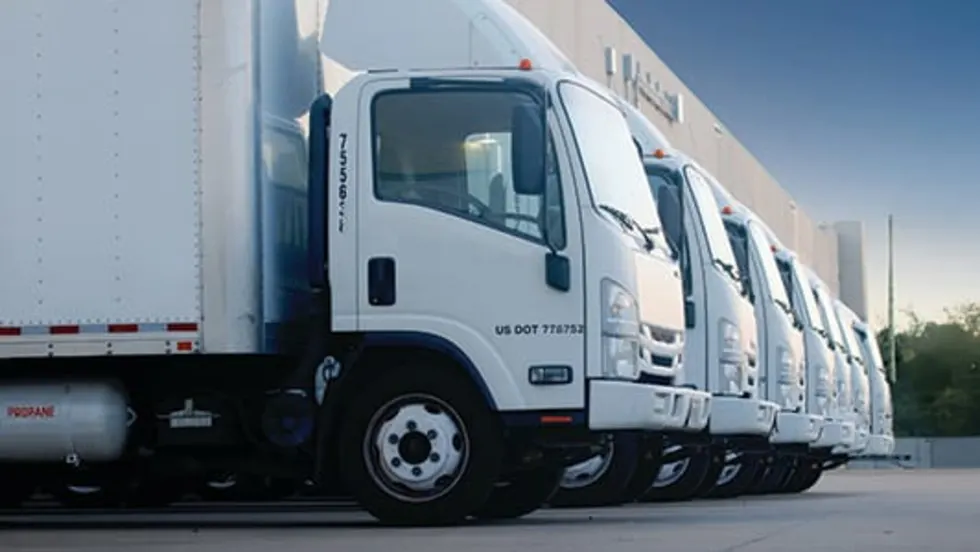
New Propane Autogas Program Offers Fleet Compensation
Qualified commercial fleets can receive $7,500 per eligible propane autogas vehicle and up to $10,000 for new refueling site prep. Learn how the program works and see whether your fleet qualifies.
Read More →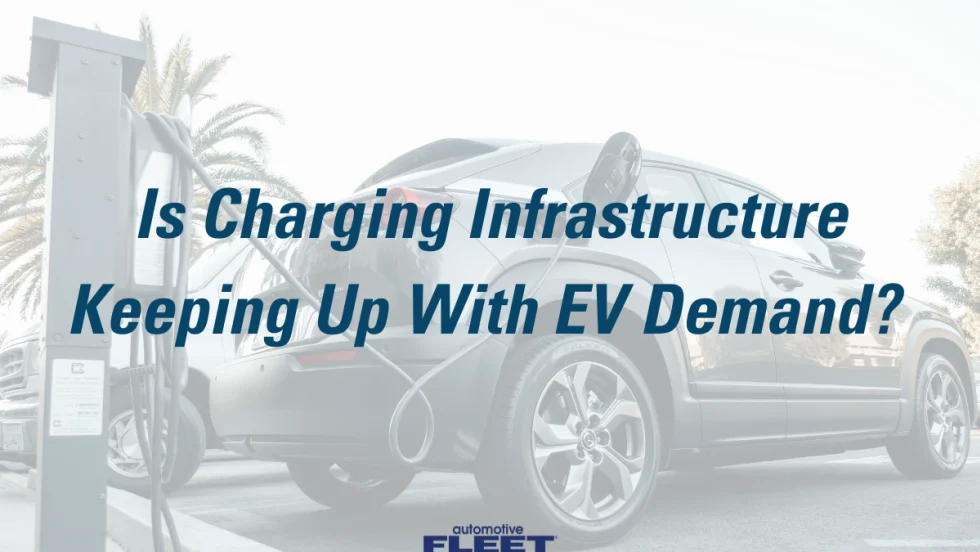
EV Charging Use Is Outpacing Infrastructure Growth
ChargePoint’s 2026 Charging Forward Report points to rising charger use, higher-powered charging, commercial vehicle electrification, and energy-management technology. Here’s what fleets should know.
Read More →
Merchants Fleet Reports 290M EV Miles as Fleets Navigate Changing Electrification Market
From millions in operating savings to hundreds of millions of EV miles, Merchants Fleet’s latest report reveals what’s working and what’s changing in fleet electrification.
Read More →
The EV Breakdown Nobody's Talking About: Why Most Electric Vehicle Roadside Calls Aren't Mechanical Failures
Here's why EV breakdowns are widely misunderstood.
Read More →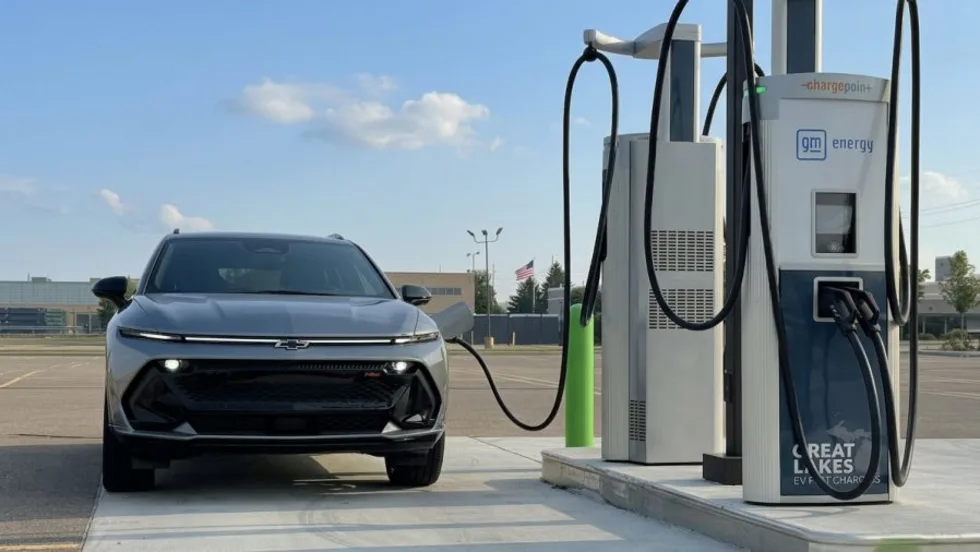
ChargePoint Now Available in Energy Pass
ChargePoint and additional planned charging network integrations were added to GM's Energy Pass.
Read More →

First Look: Slate Auto's Electric Fleet Pickup
Could an affordable, modular EV pickup make electrification more practical for fleets?
Read More →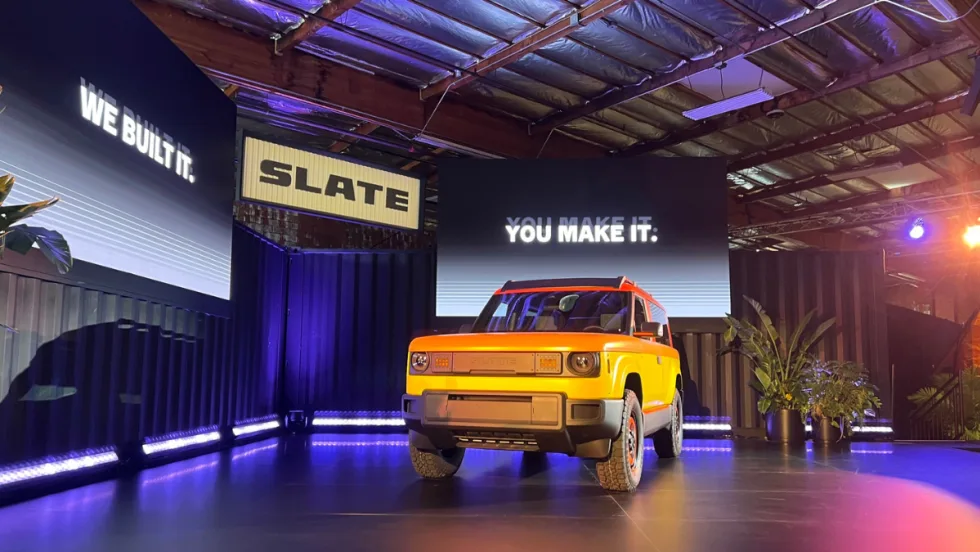
Slate Debuts Colorful, Unique EV Models
A recent media and client event, studded with electric vehicles dressed up on platforms, planted a new position for the manufacturer in the wider EV market. Fleets will find cost-saving advantages.
Read More →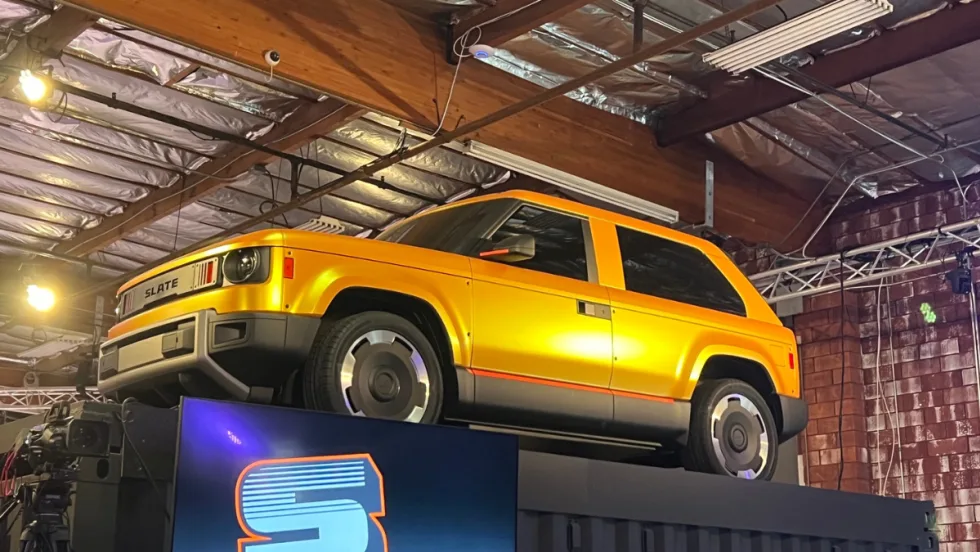
Slate Electric SUV, Pickup Switchable Model Aims For Light-Duty Fleets
Everything about this EV is counterintuitive and understated, making it stand out from the crowd.
Read More →
Inspiration Mobility Acquires Key Electrada Assets
Inspiration Mobility Group has acquired select assets of Electrada, adding the fleet electrification provider's team, technology, and charging infrastructure development capabilities to its energy management business.
Read More →