




Evolving to Tackle Modern Challenges
Matthew Betz of DTE Energy discusses embracing change and bettering operations through adaptation.

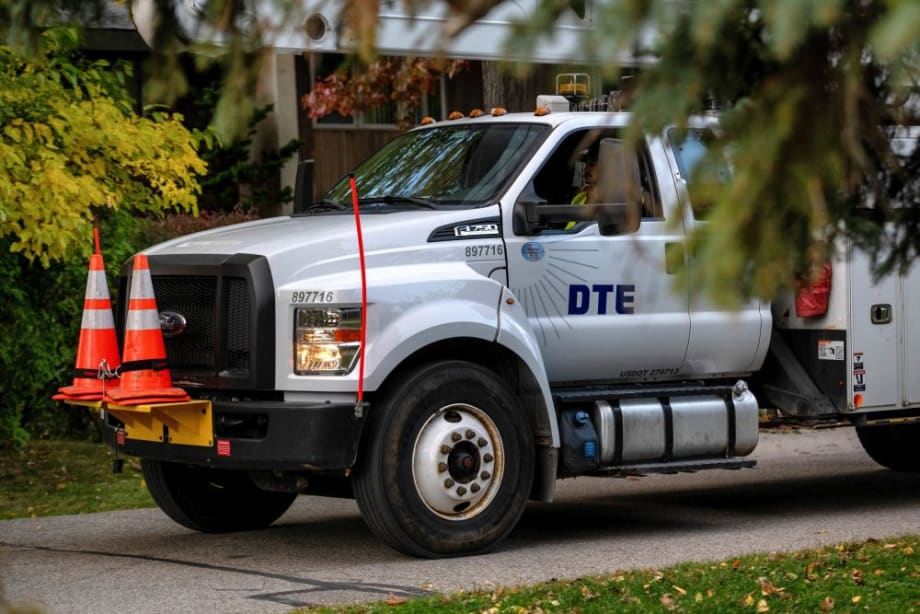
Betz said his team has taken the approach that each spec is critical for employees to do their job.
With COVID-19 continuing to put fleet operations through one of the most challenging periods in recent history, it’s vital to adapt quickly and efficiently so service isn’t disrupted. Matthew Betz, fleet optimization expert for DTE Energy, took some time to discuss how the utility has taken the challenges thrown its way and turned them into opportunities to become better.
DTE Fleet Overview
A Detroit-based diversified energy company involved in developing and managing energy-related businesses and services nationwide, DTE’s operating units include an electric company serving 2.2 million customers in Southeast Michigan and a natural gas company serving 1.3 million customers in Michigan.With a fleet of approximately 5,700 vehicles, the utility uses a mixture of light-, medium-, and heavy-duty equipment. All work assets, including vans, pickups, bucket trucks, and more, support electric and gas utility work.
Best Spec’ing Practices
Betz said his team takes the approach that each spec is critical for employees to do their job.“We meet with drivers from individual user groups to determine their needs. Working with the truck engineer from our FMC, the upfitter, and our inhouse spec team, we ensure the spec provides a safe vehicle that is best equipped to complete the mission.”
Confronting Challenges
There are a few challenges Betz and his team have been hard at work to combat. Working within the budget process to move to a more advantageous order cycle; determining which vehicles could qualify for an electric vehicle replacement based on EV trucks available, job function, and range; and updating and standardizing processes within their vendor network to provide more useful information to their internal customers and ultimately improve their level of customer service are currently top of mind.
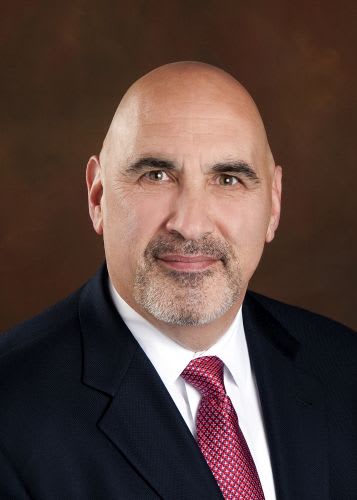
Matt Betz, fleet optimization expert for DTE Energy.
DTE Fleet was able to take advantage of the DTE Change Management team’s expertise to tackle these challenges.
“We have worked with them over the last year to identify opportunities, develop solutions, and create project plans. We have been very successful in the approach so far and will apply the same approach to our current challenges,” said Betz.
The DTE change management strategy and approach include the following:
Stakeholder analysis and impacts.
Communications and engagement.
A stakeholder readiness survey.
Development of Standard Work Instructions.
Managing Change Productively
With the support of its Change Management organization, Betz said the DTE team has accomplished a great deal in 2020.
They implemented a program with a major FMC. Before 2020, everything had been executed manually and done internally. They also restructured their entire fleet optimization business model from vehicle acquisition through disposal.
The implementation of a best-in-class fleet management system that provides standard and customized reports, dashboards, improved order accuracy, asset lifecycle visibility, and audit controls has helped improve productivity and efficiency. The company also initiated a new vehicle delivery program that delivers turn-key ready vehicles to the driver’s work location.In all, Betz said over 40 new processes were created that are designed to lower cost, increase driver productivity, and increase service to internal customers.
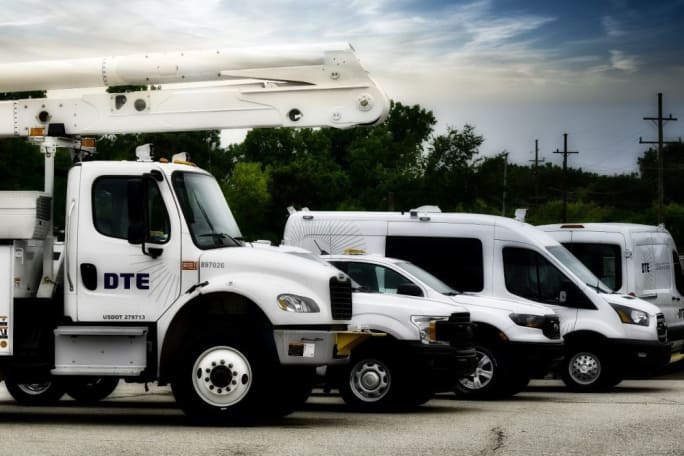
As a utility, DTE is in a unique position where it can draw upon the expertise that can be found throughout the organization, in addition to its partners.
Going Green
One of DTE’s largest initiatives for 2021 is its electrification project. As a utility, the company is in a unique position where it can draw upon the expertise that can be found throughout the organization, in addition to its partners.The company is currently looking to identify locations and business units most interested in deploying EVs. From there, it will create infrastructure while determining charging and maintenance needs of EVs by coordinating with its garages.
It’s developing a “rolling laboratory” to put some electric vehicles in the field in a structured way to gain input from drivers on their ability to do their job with an EV, collect operating data, determine range in different situations, and more.
“We’re ordering several different models from various manufacturers. We’re making a big commitment to EVs, and want to make sure we’re deploying the most appropriate vehicles,” he said.
There are also plans to host education sessions with users to help them understand the best practices of using EVs.
Adapting to Hiccups Caused by the Pandemic
Like most fleets during the COVID-19 pandemic, DTE is experiencing delays from OEMs. DTE’s staff has had to adapt to new, social-distancing appropriate work rules that include allowing just one person per vehicle.
“We have used a combination of vehicles currently in service and rental trucks to meet this need. We have also worked with our vehicle delivery partners to develop a hands-free delivery process when a new truck is delivered to one of our garages,” he explained.
To make operating as safe as possible, those on Betz’s team are all working from home, while those at DTE’s garages operate under special rules to help prevent any potential spread of COVID-19.
Continuing Education
Betz has been in fleet for approximately 40 years and has enjoyed every minute of that time. Up until two years ago, he was on the sales side of the desk. When the opportunity was presented to work with the DTE fleet team, he jumped at the chance.
“Due to the path my career took, I’ve been able to learn about several companies and industries, contribute to and learn from fleet organizations, and most importantly, made friendships that have lasted throughout my career,” he said.
The best piece of advice he has for other truck fleets navigating these challenging times is to be curious.
“Don’t assume the hurdle in front of you is insurmountable. Think outside of the box. Question things. Look for sources of information and experts that you can trust to give you different perspectives,” he said.
Originally posted on Work Truck Online
More Operations
Here's When You Should Make an Exception to Fleet Policy
Fleet policies are designed to create consistency, but not every driver or situation fits neatly within standard rules.
Read More →
AI-Native or AI-Acquired: What Should Fleet Managers Look for in an AI Platform?
Six questions can help fleet managers look beyond AI marketing claims to evaluate integration, data access, and real-world operational performance.
Read More →
A buyer's guide to fleet management software in 2027
Buying fleet management software in 2027 means looking beyond features and price. As fleet operations, technology and expectations evolve, this guide explores what today’s fleet professionals should consider when choosing a system that can deliver value now and adapt to what comes next.
Read More →

What Will Shape the Next Era of Fleet Management?
EVs, AI, and autonomous vehicles are reshaping fleet management. Discover what’s ahead—and how fleet leaders can prepare for the next era.
Read More →
How Fleets Can Recruit and Train Veterans for Technician Roles
Here's how the technician shortage has affected uptime for fleets, and what to do about it.
Read More →
Avis Budget Group Deploys Neology Toll Management Technology Across Major Brands
Neology’s neoFleet platform will manage toll transactions and toll-authority operations for vehicles across Avis, Budget, Payless, Budget Truck and Zipcar.
Read More →
Fleet Personal-Use Charges Edge Higher in 2026
Nearly eight in 10 surveyed fleets allow personal use of company vehicles, while just over half of respondents report charging employees for the privilege.
Read More →
The Future of Fleet + What’s Changing Right Now | AF News Recap
Could developments overseas offer a preview of what’s coming for U.S. fleets? This week, we’re looking at the future of AI, autonomy, and electrification, plus Ford Pro’s new certified pre-owned program, smarter vehicle offboarding, and a new way for fleets to manage toll expenses.
Read More →
How to Handle Vehicle Offboarding
What do fleet managers need to do when a driver leaves?
Read More →
Fleet Manager’s Ultimate Playbook: Navigating the New Standard in OEM Connectivity
Rising operating costs, driver safety concerns, and unplanned downtime are putting unprecedented pressure on modern fleets. Discover how fleet managers use embedded OEM connectivity and real-time vehicle data to cut TCO, prevent downtime, and protect drivers without aftermarket telematics hardware.
Read More →