




Navistar to Build GM's Cutaway Vans
Navistar, Inc. has reached an agreement with General Motors to manufacture GM's Express and Savana cutaway vans at its Springfield, Ohio, plant starting in the first half of 2017.

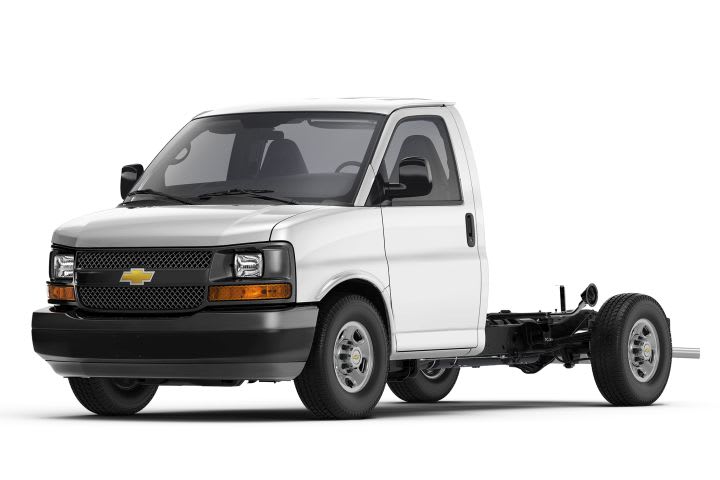
Photo of the 2016 Chevrolet Express cutaway courtesy of GM.
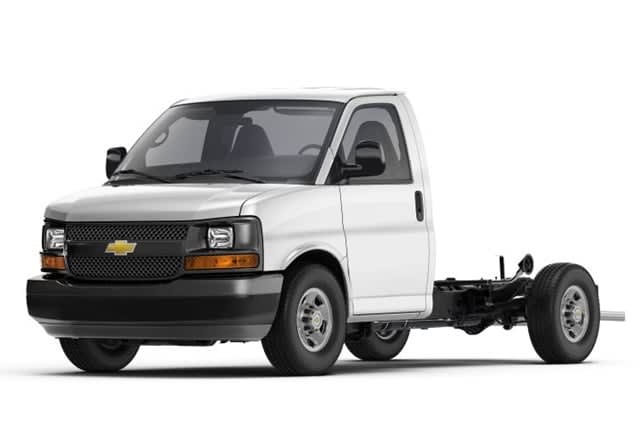
Photo of the 2016 Chevrolet Express cutaway courtesy of GM.
Navistar, Inc. has reached an agreement with General Motors to manufacture GM's Chevrolet Express and GMC Savana cutaway vans at its Springfield, Ohio, plant starting in the first half of 2017.
With this multi-year contract, Navistar will add at least 300 jobs and recommission its second line at the plant. The agreement also allows GM to free up capacity at its Wentzville, Missouri, plant to build more mid-size pickups and full-size vans, GM said.
"This partnership will provide our Wentzville, Mo., assembly plant more flexibility to keep up with continued demand for mid-size trucks and full-size vans," said Cathy Clegg, GM's vice president of North America manufacturing and labor relations.
GM's Express and Savana vans are typically upfitted as utility or service vehicles, ambulance or rescue vehicles, shuttle buses, and school buses.
Under the agreement, GM will build the van cab in Wentzville and send it to Navistar's Springfield plant. Navistar will send the cab through its paint shop and outfit it with the instrument panel, seats, and other trim. Navistar will add the chassis, including engine, drivetrain, and wheels. The finished cutaway will then be shipped to third-party upfitters or the commercial fleets that ordered it using GM's ship-thru network, according to Robert Wheeler, GM's fleet spokesman.
Navistar will use only GM-sourced parts on the cutaways, and the ordering and delivery process for fleets will remain the same, Wheeler said.
Navistar primarily manufactures its DuraStar and WorkStar models at its Springfield plant. Last September, Navistar and GM announced a separate long-term agreement to develop and assemble a medium-duty, conventional cab Class 4/5 commercial vehicle at Navistar’s Springfield plant starting in 2018.
The future products will be jointly developed using Navistar's expertise in rolling chassis configurations and manufacturing capabilities, and GM's commercial components and engines. The trucks will be available under both the International and Chevrolet brands, and will mark Navistar’s reentry into the Class 4/5 market.
"Our Springfield plant is an important part of our manufacturing footprint, and we’ve been preparing it for a higher volume concentration of light- and medium-duty products as part of our manufacturing strategy," said Persio Lisboa, president, Navistar operations. "This is an important step towards our goal to drive automotive quality into the commercial vehicle industry."
More Operations

Fleet Meets: Eric Kilgore
This edition of the Fleet Meets series features one of the industry's best leaders driving multi-market and national operations.
Read More →
Why Reactive Fleet Management Is Becoming Too Expensive to Sustain
Research highlights a growing need for proactive management strategies to address rising costs in fleet operations effectively.
Read More →
What Your Fleet KPIs Aren’t Telling You
Tracking fleet metrics is only useful when the data leads to better decisions. This guide helps fleet leaders assess cost, utilization, and downtime more accurately, identify performance gaps, and prioritize the actions that can improve operational results.
Read More →


Hidden in Plain Sight: Fleet Compliance Risks
Fleet compliance isn't just about having policies — it's about consistently enforcing them. This practical guide reveals six hidden compliance risks common in public sector and shared fleet operations and outlines proven strategies to improve visibility, accountability, and audit readiness
Read More →
Turning Fleet Payment Data into Executive Insights
Does data alone drive results in operations?
Read More →
Automotive Fleet Opens 2026 Personal Use Survey for Commercial Fleet Managers
Commercial and corporate fleet managers are invited to share how their organizations handle company vehicle personal-use policies, charges, and driver eligibility.
Read More →
Gary Van Orden Retires After Nearly Four Decades in Commercial Fleet
From answering customer calls at Ford Motor Company to leading fleet sales across multiple OEMs and a fleet management company, Gary Van Orden's career reflects nearly four decades of leadership in commercial fleet.
Read More →
How Stellantis Plans to Get Ahead of Fleet Downtime
Vehicle acquisition may grab the headlines, but fleet uptime increasingly determines operating success. Darren Bradshaw of Mopar North America gives the details.
Read More →
Hyundai Releases 2027 Commercial Program Incentives
The 2027 Model Year "Fleet Street Incentives" are available to commercial and government fleets.
Read More →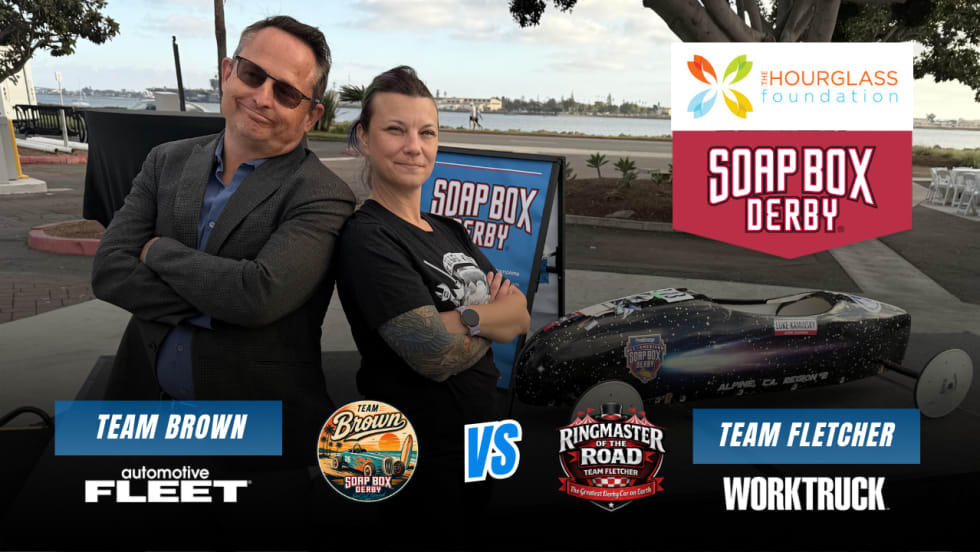
It's All Downhill from Here! Fleet Industry Raises $22,000 for Skilled Trades Scholarships
Work Truck’s Lauren Fletcher and Automotive Fleet’s Chris Brown turned a friendly racing rivalry into $22,000 for automotive technology and skilled trades scholarships.
Read More →