




Related: BMW i3 Called 'Most Revolutionary Car' Since Model T
2014 BMW i3
Just about everything that goes into BMW's 2014 i3 may seem impractical, such as its broad use of exotic materials, bulbous shape with coach doors, and range limit. Yet, this vehicle is an automotive engineering marvel that's also a fun, smooth drive.

Paul Clinton・Former Senior Web Editor
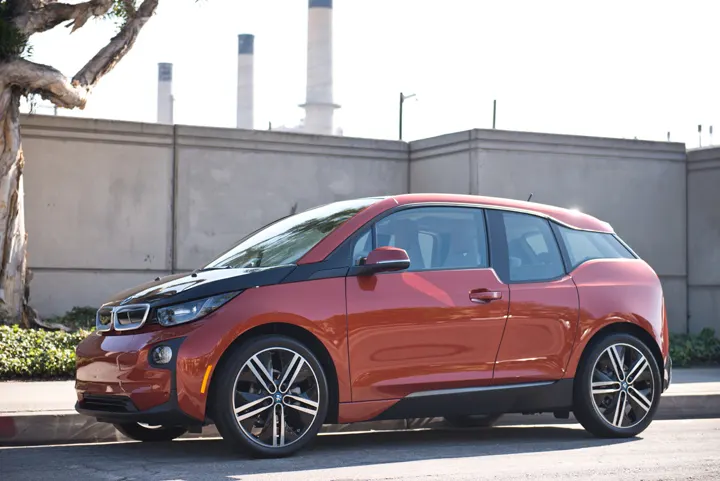
Photo by Vince Taroc.
3 min to read
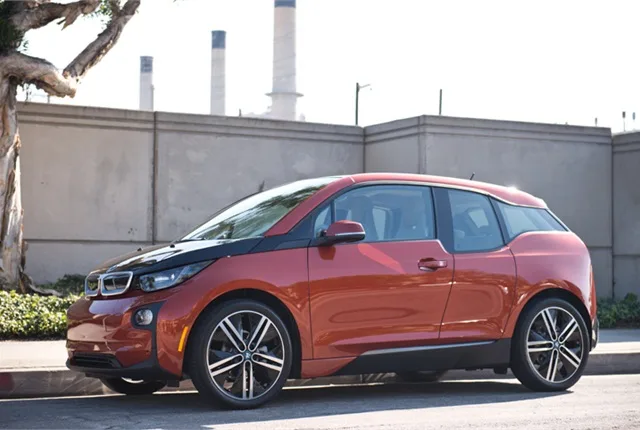
Photo by Vince Taroc.
Just about everything that goes into BMW's 2014 i3 may seem impractical, such as its broad use of exotic materials, bulbous shape with coach doors, and range limit. Yet, this vehicle is an automotive engineering marvel that's also a fun, smooth drive.
Battery-electric vehicles have not widely been added to commercials fleets, mostly due to their still-limited range and underwhelming residual values. Tesla Motors is producing a EV that will let you to travel 265 miles in luxury, yet the cost of entry is above $80,000. The next tier of EVs can reach an EPA-rated range of at least 80 miles, including the i3 (81), Chevrolet Spark EV (82), Volkswagen e-Golf (83), Nissan LEAF (84), Mercedes-Benz B-Class Electric (85), and Fiat 500e (87).
This range level is a moving target that should see an uptick in the next few years, especially if General Motors can deliver on its plan to offer the 200-mile Chevrolet Bolt for around $30,000 in early 2017.
While we wait for this tipping point, there's no reason why we can't appreciate engineering feats such as the i3. BMW offers its i3 in three trim levels with futurist nomenclature — Mega World, Giga World, and Tera World.
Let's start with the vehicle's extensive use of carbon fiber, plastic and aluminum as a strategy to lighten weight and reduce the vehicle's carbon footprint. The i3's body, or "life module," is comprised of resin transfer molded carbon-fiber composite structures. The "drive module" that includes the powertrain, chassis and battery makes extensive use of aluminum.
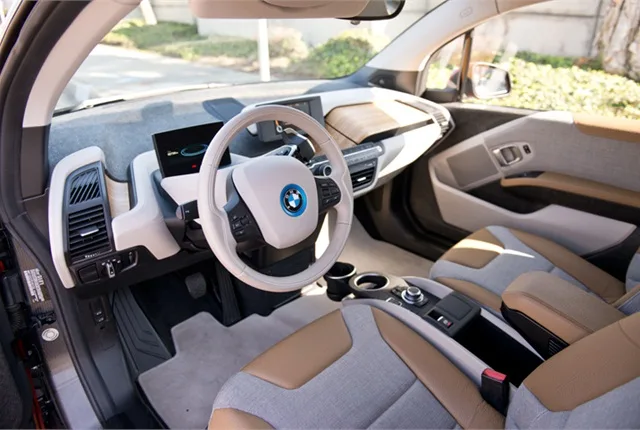
Photo by Vince Taroc.
BMW carries its approach into the interior. The base model i3 uses SensaTec vinyl and sustainable cloth sourced from recycled materials. Leather replaces the vinyl on higher trim levels. BMW has also added a eucalyptus veneer dashboard.
The cabin has a roomy feel, and BMW has integrated plenty of high-tech features. The Business Navigation system feeds infotainment data to a 6.5-inch high-resolution screen that appears to float above the dashboard. Multimedia and HVAC controls are clustered above two air vents with buttons laid out in two rows. Instead of a gauge cluster, we get a 5.5-inch digital display showing data about operating modes, speed, and charge level.
The vehicle's exterior design has been polarizing, and if you're not a wild adherent it may grow on you. The i3 retains the automaker's kidney grille. The car's "coach" doors should turn heads with the two side doors open. The rear seating area isn't overly spacious, but should suffice for most passengers.
The i3 offers a fun and smooth ride, and can be operated in three modes — Comfort, Eco Pro, and Eco Pro+. If you hope to achieve a range beyond the low 80s, operate it in that third mode, which limits the top speed to 56 mph without climate controls.
The i3 retails for a starting price of $41,350, and is eligible for a federal tax credit of $7,500. California offers a $2,500 rebate. The BEV is eligible for a white HOV sticker that state, while the hybrid is eligible for a green one. BMW is offering additional fleet incentives of charging stations.
Editor's note: Check out our expanded coverage of the BMW i3 that includes a video and slideshow.
Subscribe to Our Newsletter
More Blog Posts

Fleet Review: 2026 Outback Is More SUV, Still an Outback
The redesigned Outback trades its station-wagon profile for a roomier, more conventional SUV shape while retaining the comfort and safety technology that give it fleet appeal.
Read More →
Why Should Fleets Choose the 2026 Mercedes-Benz GLC 300 SUV?
The GLC 300 offers corporate fleets attainable luxury, comfort, and practicality that transitions seamlessly to family duty.
Read More →
Fleet Review: Volvo EX90 & the Software-Defined Vehicle
Volvo’s new three-row electric SUV is designed for the corporate (and family) class.
Read More →
Fleet Review: Mercedes-Benz EQB 250+
With a reasonable entry point and the refinement of a Mercedes, The EQB 250+ defines “practical luxury” for fleets.
Read More →
Fleet Review: Volvo XC60 & XC90 PHEVs
Volvo’s XC60 and XC90 plug-in hybrid models are stylish, safe, sustainable — and surprisingly fast.
Read More →
Fleet Review: Volvo XC40 Recharge
The Volvo XC40 Recharge offers fleets the familiar premium Volvo experience, electrified.
Read More →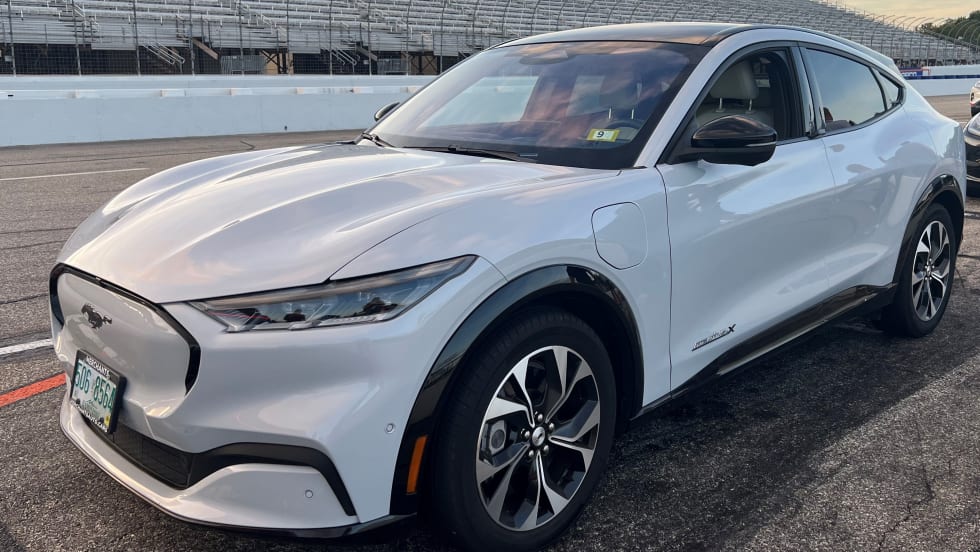
The 2023 Ford Mustang Mach-E Offers a Smooth Ride for New EV Drivers
A look at the bells and whistles on the car, plus how it drives, from the perspective of someone who’s never driven an EV.
Read More →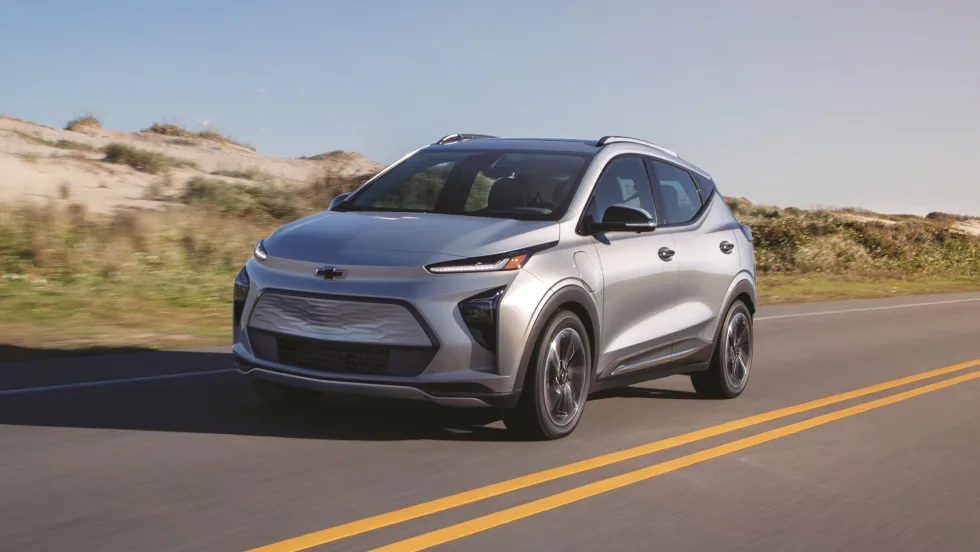
The 2022 Bolt EUV Lowers TCO While Meeting Sustainability Goals
The 2022 Bolt EUV expands Chevrolet’s EV lineup as a utility-type vehicle with a range of 250 miles on a full charge. It will be sold alongside the 2022 Bolt EV model. The Bolt EUV is approximately six inches longer than the Bolt EV.
Read More →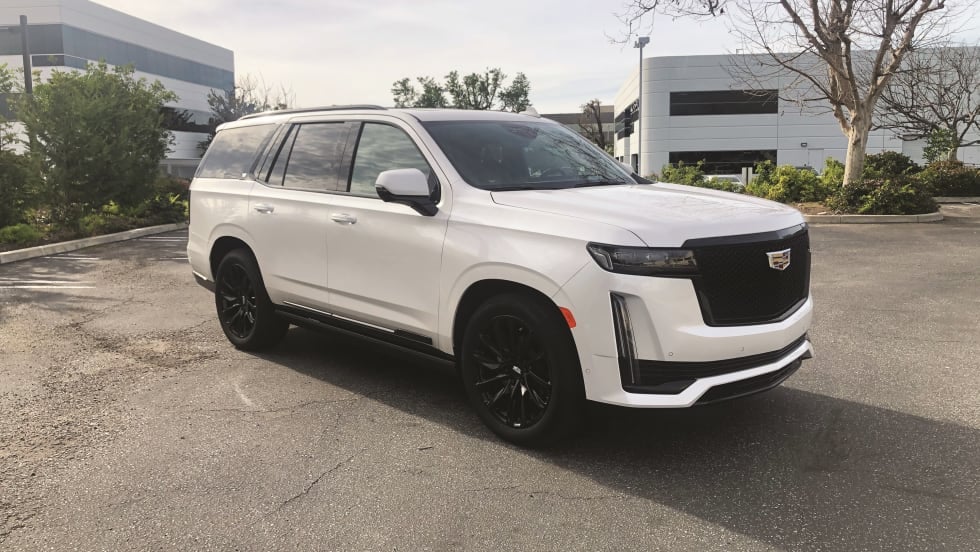
2021 Cadillac Escalade is C-Suite Material
The 2021 Cadillac Escalade 4WD Sport Platinum is the most expensive model sold by General Motors. But its brand cachet makes it the ideal pinnacle fleet vehicle to help retain high-value senior execs with a high-value luxury SUV.
Read More →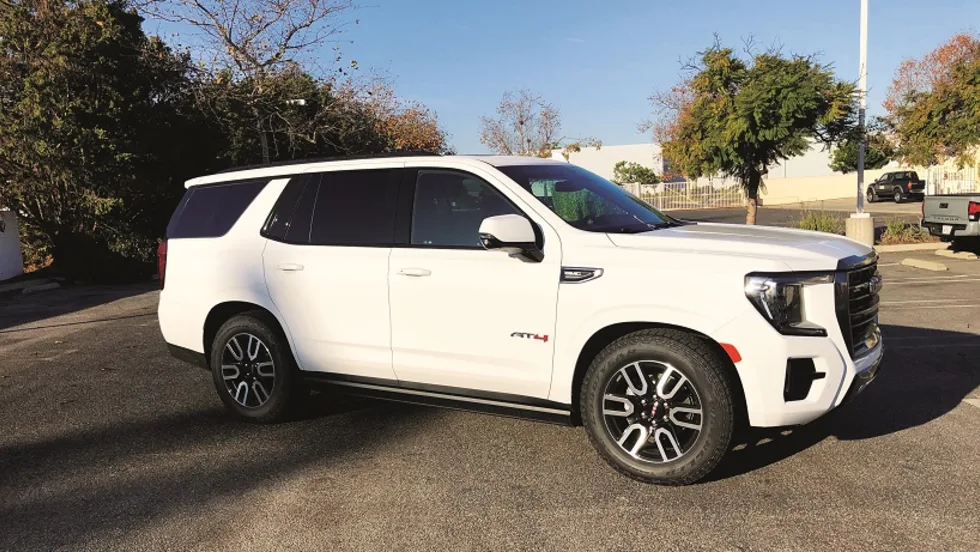
2021 GMC Yukon AT4 Excels as an Off-Road Crew Vehicle
Powered by a 5.3L V-8, generating 355 horsepower and 383 lb.-ft. of torque, the engine is paired to a10-speed automatic transmission. It is ideal for off-road work applications and can transport an eight-person work crew with tools and equipment.
Read More →