


 MENU
MENU SEARCHMENUSEARCH
Loading data...
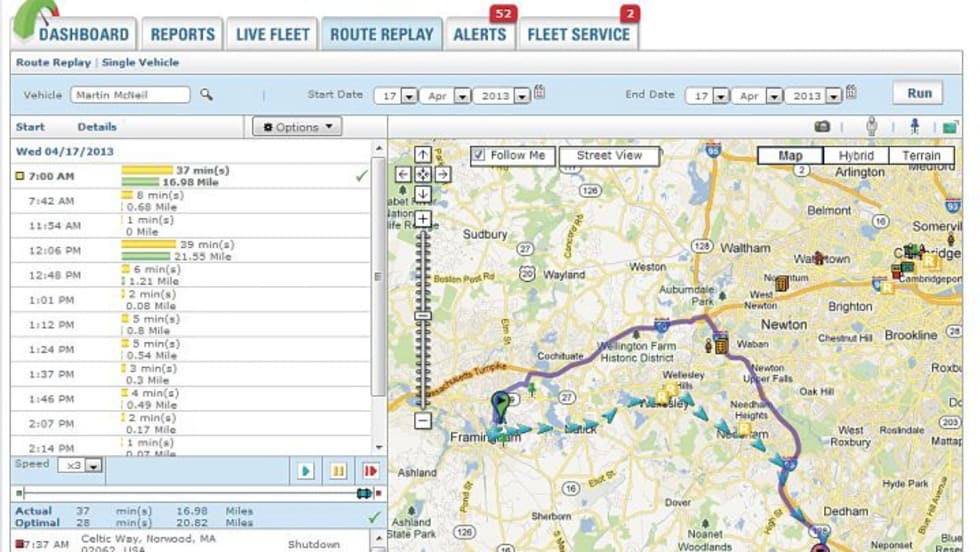
Technology is key factor in fleet managers' ability to be efficient and productive. Read a representative sampling of some of the newest technological options available from telematics and fleet management companies.
Read More →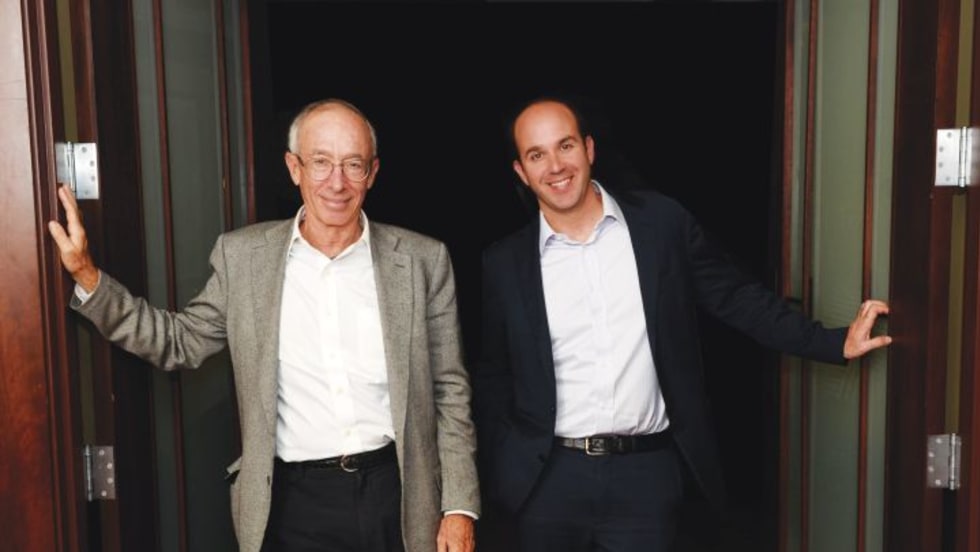






In 1939, Wheels became the first automobile leasing and management company in the U.S. when it leased 75 vehicles to a pharmaceutical company. The company now counts nearly 300,000 vehicles on the road in North America, and more than 1 million vehicles in 41 countries around the world.
Read More →From my own experience, nothing gets an exec's attention more than a testimonial on a potential money-saving idea. And, why not make the benefit come back to the fleet manager?
Read More →Operating costs for fuel, replacement tires, maintenance/repairs, and preventive maintenance (PM) oil drains were flat in the 12 months ending August 2013 compared to the prior 12 months.
Read More →Dick Malcom, a 30-year fleet veteran, has overseen significant changes to the insurance company’s fleet. The Professional Fleet Manager of the Year award is sponsored by Automotive Fleet magazine, Wheels Inc., and AFLA.
Read More →If you have been in the fleet industry for 20 years or even just one year, you experience change on a daily basis. It is fun to think back to a time when the 1970 Pontiac GTO achieved 10 mpg.
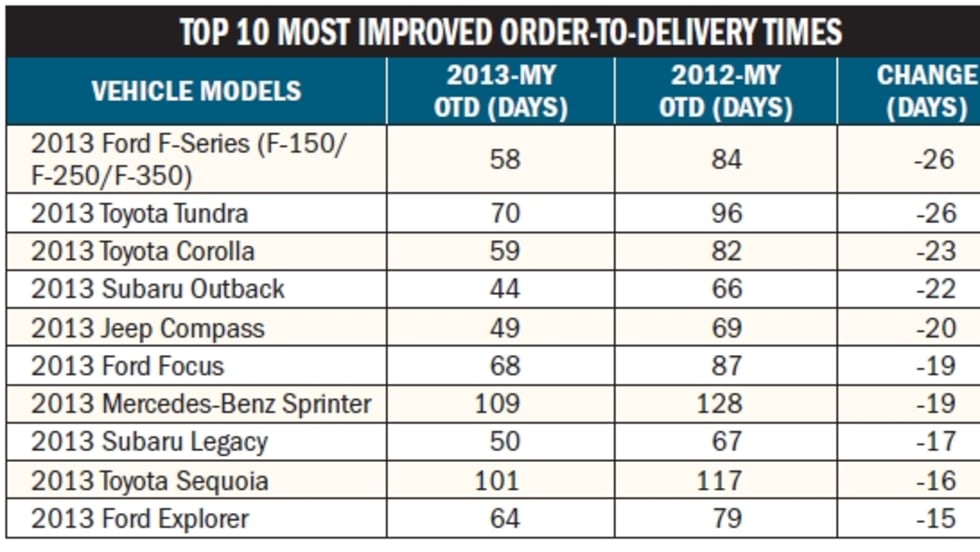
Read More →While OTD remained relatively static overall, year-over-year, delivery times were still above the industry average benchmark of 60 days. Quality holds and recalls impacted some high-volume fleet models.
Read More →Automotive Fleet chronicles the acquisitions and mergers of the major fleet leasing and management companies over the years.
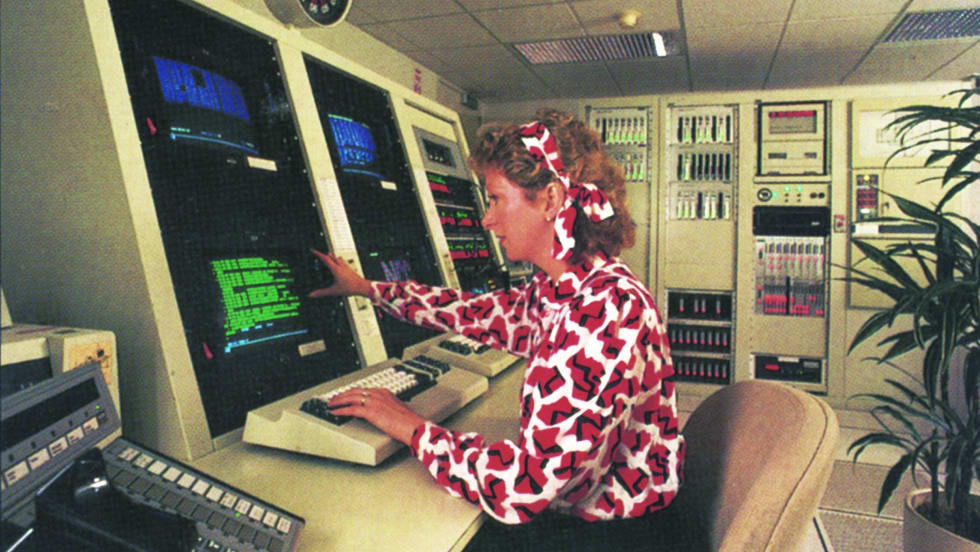
Read More →Fleet has been an early adopter of new technology, starting with card reader equipment in the 1950s, use of mainframes in the 1960s, “dumb” terminals of the 1970s, PCs in the 1980s, and now a multitude of Web-enabled services.
Read More →As John F. Kennedy once said, “History is a relentless master. It has no present, only the past rushing into the future. To try to hold fast is to be swept aside.”
Read More →