


 MENU
 SEARCHMENUSEARCH
Loading data...

With fuel as much as 60% of operating costs, alleviating fuel expense is imperative. Check out these tactics — with statistics to illustrate the savings.
Read More →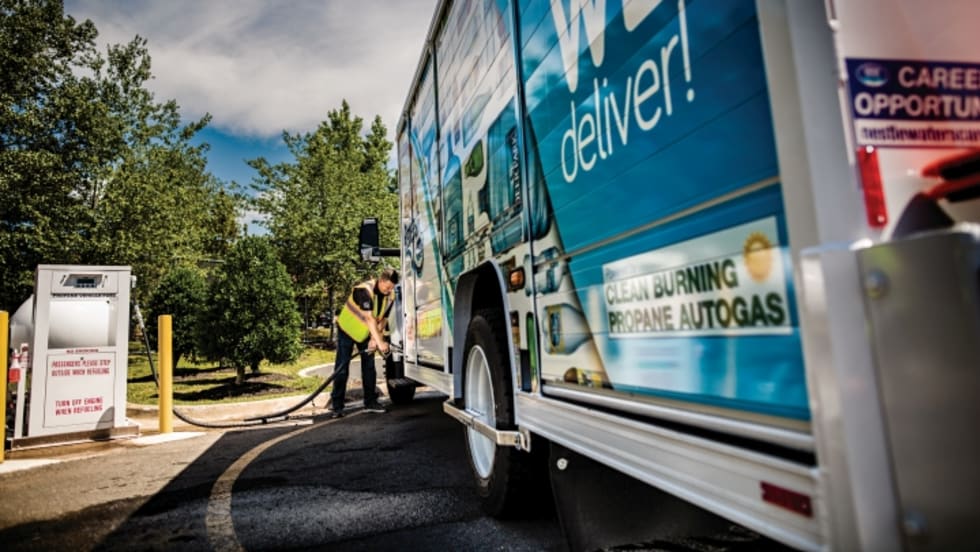



While modern diesel work trucks can leave fleet managers and owners shaking their heads at additional maintenance, costs, and downtime, using propane autogas helps eliminate those hidden costs and reduces fuel costs for an overall lower total cost-of-ownership.
Read More →The California Fuel Cell Partnership (CaFCP) published a strategic vision that details the significance of establishing a self-sustaining market for fuel cell vehicles, which includes establishing 1,000 hydrogen fueling stations in the state by 2030.
Read More →WASHINGTON - The U.S. Environmental Protection Agency (EPA) and the U.S. Department of Transportation (DOT) announced the first national standards to reduce greenhouse gas (GHG) emissions and improve fuel efficiency of heavy-duty trucks and buses.
Read More →SYRACUSE, NY – The City of Syracuse, N.Y.'s sustainability plans include adding more efficient vehicle types to its fleet, implementing an anti-idling campaign, and conducting a fleet study to identify other areas for improvement.
Read More →DETROIT - GM stated these pickups are available for order by fleet and retail customers through Chevrolet and GMC dealers.
Read More →Fundamentally, the FCV market is dependent on the development of infrastructure, which will determine the timing and volume of automaker FCV rollouts.
Read More →The CR-V e:FCEV combines an all-new U.S.-made fuel cell system along with plug-in charging capability designed to provide up to 29 miles of EV driving around town with the flexibility of fast hydrogen refueling for longer trips.
Read More →TOKYO — Honda Motor Co. aims to cut the cost of hydrogen-powered fuel-cell cars to a hundredth of the present level to make them competitive with conventional cars, according to Reuters.
Read More →SOUTH PORTLAND, MAINE – Wright Express has extended its existing fuel-price risk program through the second quarter of 2008. The company initially began executing on its current program in July 2005.
Read More →