


 MENU
MENU SEARCHMENUSEARCH
Loading data...

Twelve automakers out of 20 have now installed automatic emergency braking on more than 95% of the vehicles produced in a one-year period.
Read More →


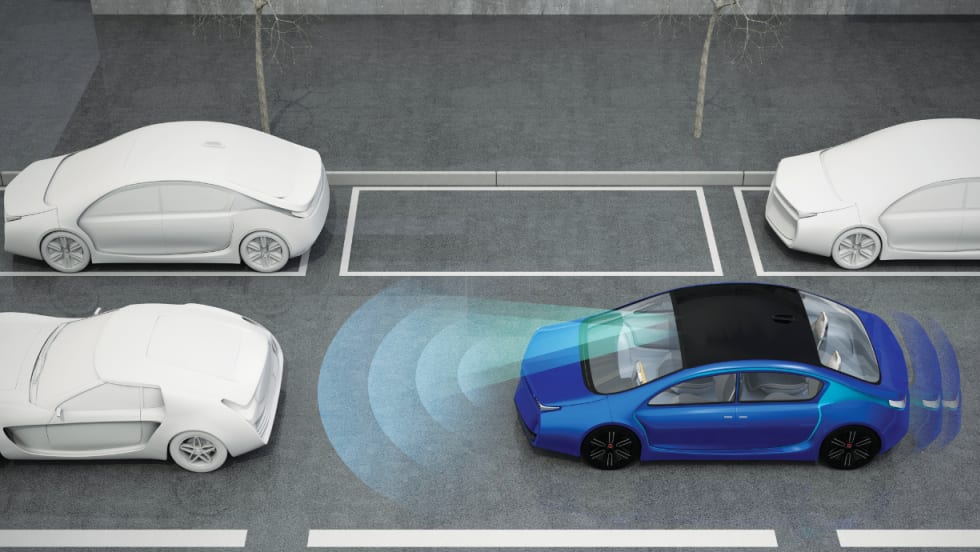

A reliable, high-speed detection, near-field sensing and perception system that will enable the world’s first mass production, pre-crash airbags and other safety countermeasures is on the horizon.
Read More →Studies show that advanced driver assistance systems have the potential to prevent approximately 40% of all passenger-vehicle crashes and 29% of fatalities.
Read More →The growing sophistication and power of computer-based tools for fleets have added another role for fleet managers – tech guru.
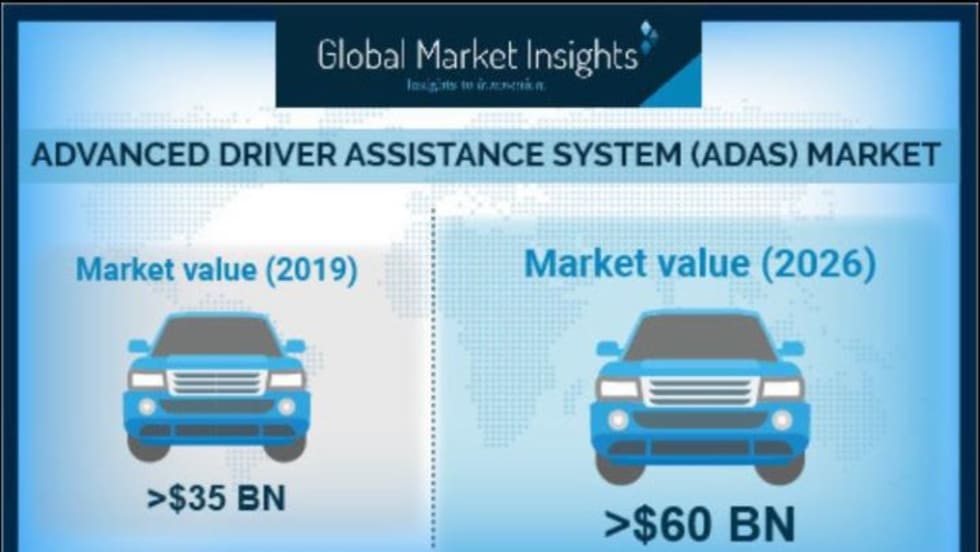
Read More →The growth is majorly attributed to rising concerns about vehicle safety and increasing government regulations to integrate advanced safety systems into vehicles.
Read More →An unquenchable appetite for improved safety and sustainability is driving real change for the fleet management team at Southern California’s Golden State Foods.
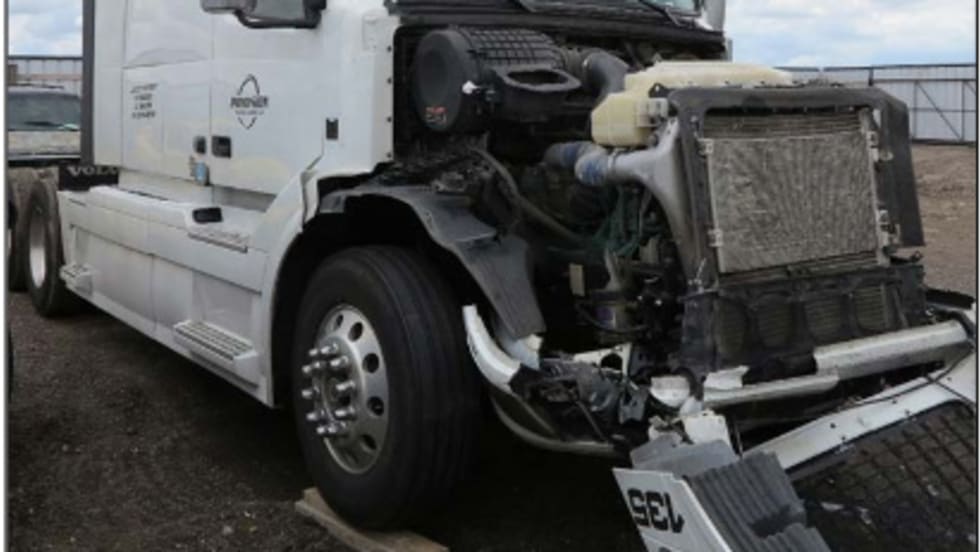
Read More →A collision avoidance system might have prevented or lessened the severity of a 2016 crash between a tractor-trailer and an SUV that killed six people and injured five, according to a new report from the National Transportation Safety Board.
Read More →As accident rates in the U.S. continue to climb, technology must evolve to ensure the safety of the drivers on the road. Both in-vehicle and fleet technology is continuing to find ways to do just that.
Read More →The Highway Loss Data Institute estimates when such features as autobrake and forward collision warning will represent the norm in how all registered vehicles are equipped.
Read More →Technology is impacting accident costs on all sides, from helping to reduce the number of overall accidents to increasing the cost of accident repairs.
Read More →