


 MENU
MENU SEARCHMENUSEARCH
Loading data...

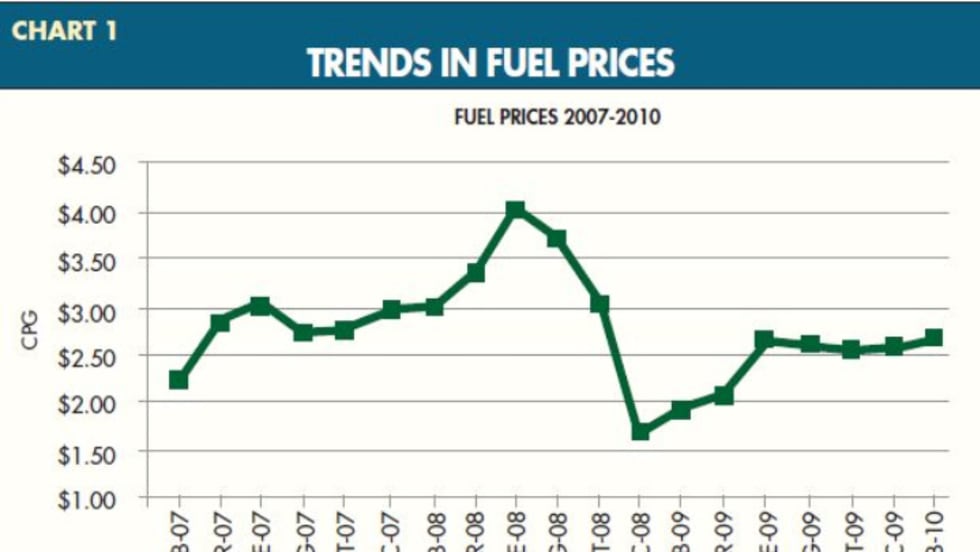
The recent breathtaking increase in gasoline and diesel prices gives us a reality check as to how quickly fuel can dramatically increase fleet operating expenses. With fuel prices at a near all-time high and ongoing strong resale values decreasing depreciation costs, will fuel costs overtake depreciation as the No. 1 fleet expense in 2012, as it almost did in 2006?
Read More →

Depreciation expenses decreased in 2011 versus prior years due to such factors as higher vehicle resale values and the ongoing shortage of available used vehicles.
Read More →In North America, depreciation is generally the largest operating expense for a vehicle fleet. Fleet managers must know what depreciation is, how it is applied, and how a corporate fleet program influences this key cost driver.
Read More →No one would suggest we ignore the current egregious fuel prices. However, to mimic my personal mantra for the last 50 years, resale values continue to identify the vehicle’s most costly item.
Read More →Nearly all fleet-related costs, both fixed and operating, are influenced by when a vehicle is replaced. Today’s exceptionally strong wholesale market caused by the shortage of used vehicles offers commercial fleet managers an “out-of-the box opportunity” to short cycle vehicles. A shorter 24-month replacement cycle will maximize resale values, reduce operating costs and downtime, increase negotiating leverage with OEMs, and improve driver morale,
Read More →The Tax Relief, Unemployment Insurance Reauthorization, and Job Creation Act of 2010 (H.R. 4853) was signed into law by President Obama on Dec. 17, 2010. The legislation includes an extension of the Small Business Jobs and Credit Act of 2010's "bonus depreciation" allowance through the end of 2011, and increases that amount from 50 percent to100 percent. Here's what it means to fleets.
Read More →WASHINGTON - The U.S. Senate recently passed legislation that will allow businesses to depreciate up to 50 percent of the cost of the asset in the first year it is placed in service.
Read More →First-year 50-percent depreciation, known as bonus depreciation, expired Jan. 1, 2010. An amendment to retroactively extend bonus depreciation through the end of calendar-year 2010 has been added as an amendment to H.R. 5297. Bonus depreciation has been benefical to commercial fleets, especially those with long-life assets. As an industry, we need to urge members of Congress to pass H.R. 5297. But this is easier said than done due to the many other contentious issues in the bill.
Read More →With budget constraints encouraging more fleets to be creative with their cost-cutting strategies, fleets in many business sectors are experimenting with extended cycling. Read on to find out the advantages and disadvantages.
Read More →Rental car operators are increasing their fleet vehicles’ months in service. But do you really have to drive up hold times to survive?
Read More →