


 MENU
MENU SEARCHMENUSEARCH
Loading data...

Factory fleet directors DaimlerChrysler, Ford, General Motors, Hyundai, Nissan, Subaru, and Toyota reveal future programs and services designed to meet the needs of commercial fleets.
Read More →Lease-purchase agreements are a trend that allow municipalities and other government fleets to use a small amount of money to buy a greater number of vehicles.
Read More →Although aftermarket conversions are available, they may not comply with federal and state alt-fuel vehicle mandates. OEM models typically offer better performance and reliability, plus easier warranty service.
Read More →For the 1984 model year, Automotive Fleet statistics show that import manufacturers registered(52,087 new cars in the U.S. fleet segment, or just two percent of total import registrations. Most of those manufacturers, of course, had been operating in a restricted marketplace. But now that market place has begun to undergo some important changes.
Read More →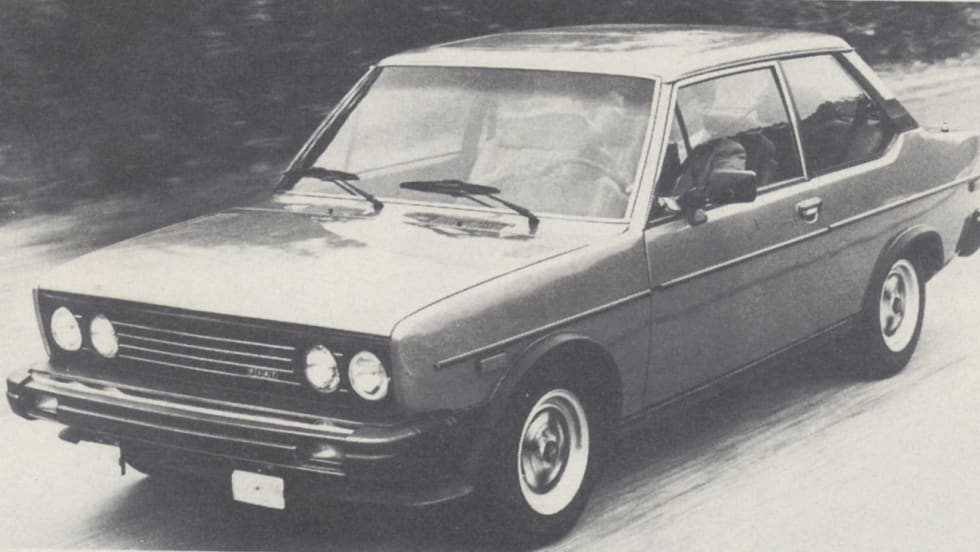
Distinction between domestic and imports fading as world class cars emerge.
Read More →The three highest selling nameplates in this segment are domestically built. Toyota and Datsun are gaining about 26% of the fleet business in this sector.
Read More →
A new passive restraint belt system consisting of a combined automatic shoulder belt and manual lap belt will be installed on a limited number of production Toyota Corona vehicles more than three years ahead of the government-ordered time table
Read More →Top stories include GM and Chrysler price hike in 1979 and an American Motors-Renault pact
Read More →AF announces its Top Fleet Dealer Awards
Read More →