




What Happens When Autonomous Technology Goes Wrong?
The report explains the test results of 40 individuals and gives suggestions on what mobility and infrastructure changes may need to be implemented to ensure safety on roadways.
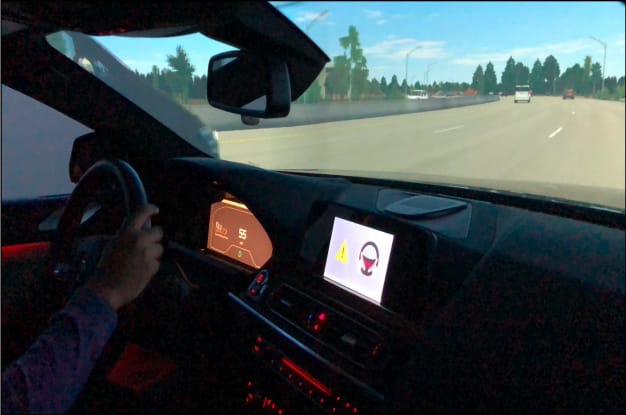
Each driver was placed in a car simulator capable of handling both human and autonomous driving.
Photo courtesy of MTI.
As autonomous vehicles become more commonplace and automakers invest millions into the development of such technologies, consumers and researchers alike are left to ponder the implications of such technology failing during operation.
The Mineta Transportation Institute published a new report, Analysis of Disengagements in Semi-Autonomous Vehicles: Drivers’ Takeover Performance and Operational Implications, which explores this case scenario.
The study looks at how humans interact with AV’s if it loses control while on the road. It measured how quickly and deliberately the car alerted drivers and how efficiently the driver could effectively react and take control.
The study tested 40 individuals starting at 18 years old to 55 years plus. Each driver was placed in a car simulator capable of handling both human and autonomous driving. The test measured response times and vehicle drift from a centerline under several different scenarios.
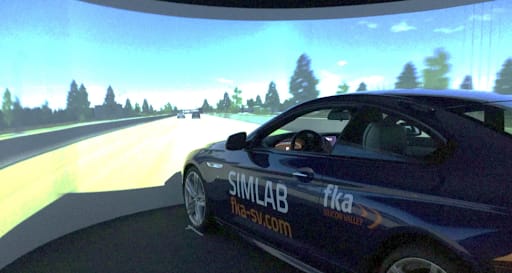
Photo courtesy of MTI.
Key results showed that between two different speed settings (high speed of 65 mph and a low speed of 55 mph), the lower speed yielded better performance. Out of all the three different age groups tested, the older participants performed better in overall driving and driving after autonomous technology failure.
Researchers also found that individuals tended to increase their speed and steer after taking control of the vehicles, as opposed to braking. About half of the drivers also reported not seeing the visual warning on the central console but did hear the auditory warnings.
The report takes into consideration how AVs can affect roadways and drivers. It gives suggestions on what mobility and infrastructure changes may need to be implemented to ensure safety while operating autonomous technologies.
More Fleet Forward

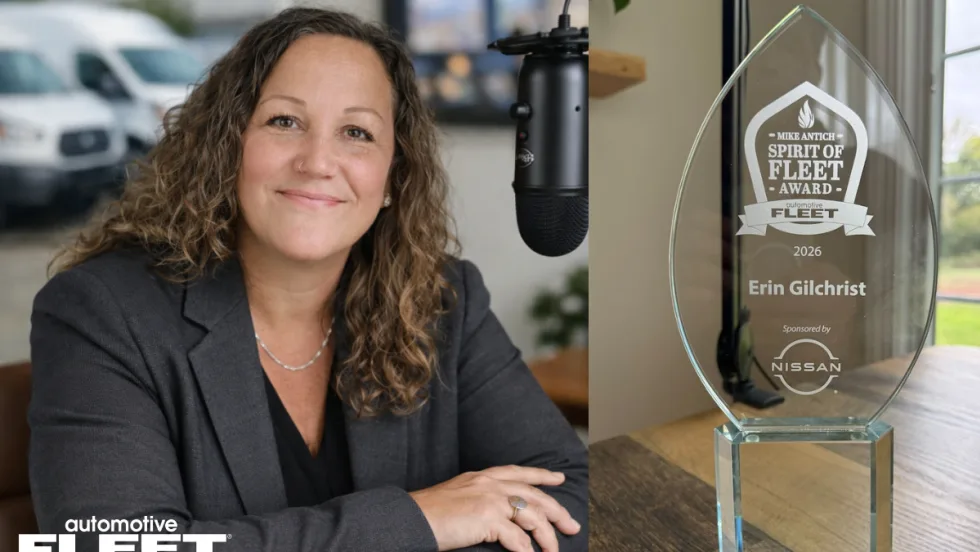
Erin Gilchrist Receives Mike Antich Spirit of Fleet Award
Last week at AFLA in Vegas, Erin Gilchrist received the inaugural, brand-new Spirit of Fleet Award.
Read More →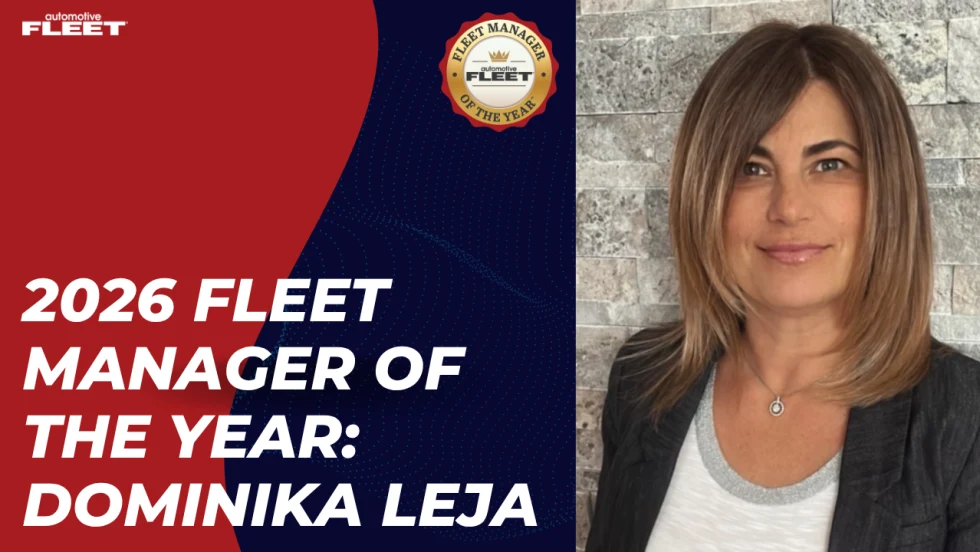
Dominika Leja Named the 2026 Fleet Manager of the Year
The AstraZeneca associate director of fleet was recognized for her leadership in fleet electrification, cost savings, and operational transformation.
Read More →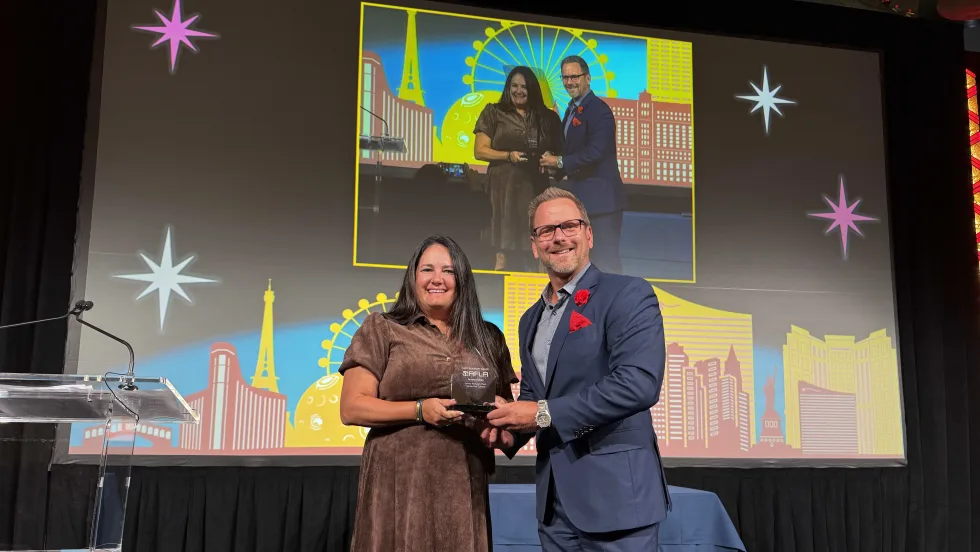
Jamie McKay Named the 2026 Fleet Visionary Award Winner
The Aptive Pest Control fleet manager was recognized for her approach to operations, data, lifecycle management, and driver needs.
Read More →
Fleet Forward Conference Introduces One-Day Passes for 2026
New one-day registration gives fleet professionals the flexibility to attend Tuesday, Wednesday, or Thursday, with passes available for $199 through Sept. 18.
Read More →
Vibe Coding: When Fleet Managers Become Software Builders
Five fleet professionals — none with programming skills — discuss how they’re using AI to build fleet solutions in-house and in a fraction of the time.
Read More →
Fleet Forward Conference Tackles Fleet Industry’s Growing Leadership Gap
This session will examine succession planning, knowledge transfer, and the skills the next generation of fleet leaders will need as veteran professionals leave the industry.
Read More →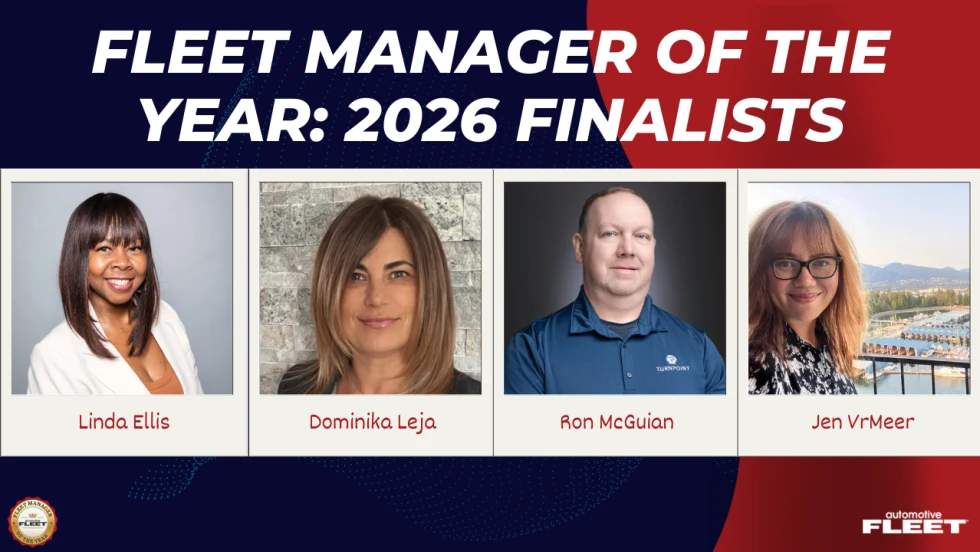
2026 Fleet Manager of the Year Finalists Announced
Who are the 2026 Fleet Manager of the Year finalists?
Read More →
John Rossant to Deliver Opening Keynote at 2026 Fleet Forward Conference
The CoMotion founder will draw on developments across Europe, China, the Middle East, and other international markets to identify trends that could influence how U.S. fleets plan for the coming decade.
Read More →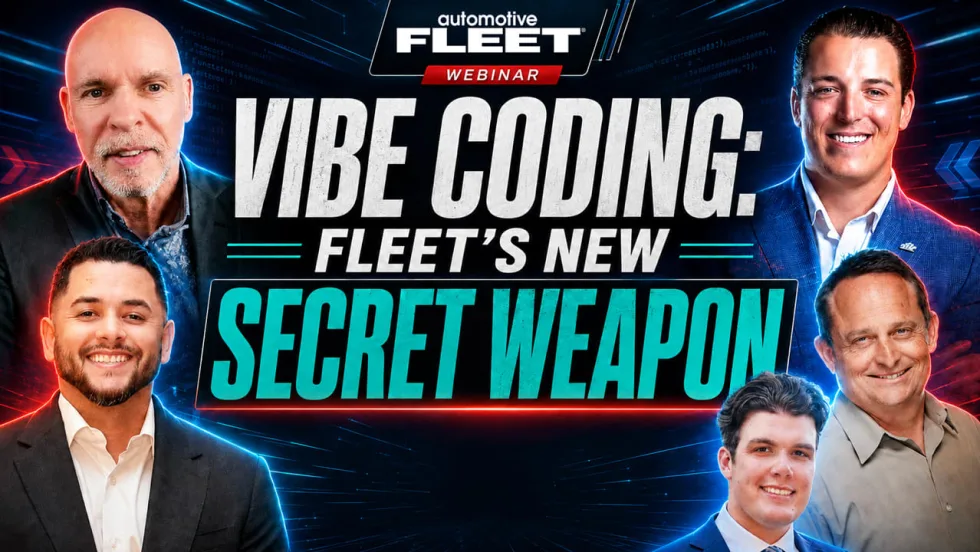
How to Build Custom Fleet Tools With AI and Vibe Coding [Webinar]
A new Automotive Fleet webinar explores how fleet managers are using AI and vibe coding to automate routine work and create simple operational tools without traditional programming skills.
Read More →