




West Virginia Challenges Use of Salvage Parts in Collision Repair of Newer Vehicles
CHARLESTON, WV – West Virginia Attorney General Darrell McGraw announced April 12 that Liberty Mutual Insurance Co. and a St. Albans body shop will halt their use of so-called "junkyard parts" in repairs of newer vehicles, the West Virginia Record reported.
CHARLESTON, WV – West Virginia Attorney General Darrell McGraw announced April 12 that Liberty Mutual Insurance Co. and a St. Albans body shop will halt their use of so-called "junkyard parts" in repairs of newer vehicles, the West Virginia Record reported.
McGraw’s office issued a preliminary injunction order directing Liberty Mutual Insurance and Greg Chandler’s Frame and Body LLC to immediately cease repairing vehicles that are three years old or less with salvaged parts until all issues raised in the complaint are fully resolved. The body shop operates under Liberty Mutual Insurance Co.’s direct repair program.
McGraw said that Liberty Mutual also agreed to provide state officials with a list of all West Virginia customers whose vehicles were repaired illegally within the last three years using salvaged parts.
According to the Attorney General’s Office, state law requires insurance companies and body shops to secure a customer’s written authorization before repairing a new vehicle with salvaged parts.
Back in December, McGraw’s office filed a lawsuit against Liberty Mutual and Greg Chandler’s Frame and Body LLC for allegedly repairing damaged vehicles using reconditioned, remanufactured and used parts in violation of state law. McGraw also alleged that the insurance company failed to provide its customers with notices and written statements explaining the use of such parts.
In response to the lawsuit, Liberty Mutual and the body shop initially challenged the state’s authority in the matter, citing the Magnuson-Moss Warranty Act. But a federal judge found that the West Virginia Crash Parts Act was in no way in conflict with the federal Magnuson-Moss Warranty Act, and the case was sent back to state court in Kanawha County, W.V., to address the request for an injunction.
In public statements, McGraw accused the insurer and body shop of using “junkyard parts” – a derisive term whose use drew sharp criticism from the Automotive Recyclers Association. The group sent a formal complaint letter to McGraw in January, calling the term “derogatory and misleading.”
The debate over semantics reflects the broader debate over the use of salvage parts in collision repair. Safety advocates and representatives of the insurance, collision repair, auto parts and auto manufacturing industries look at the issue from very different perspectives -- and that's not likely to change anytime soon.
More Safety

How Camera Data Can Strengthen a Fleet’s Insurance Renewal
Insights from a commercial insurance carrier and a broker show how fleets can turn video telematic data, driver coaching, and improved claims results into a stronger case at insurance renewal.
Read More →
The Safest Fleets Aren’t the Ones with the Most Technology
You’ve made the telematics investment. Here’s how to capture the other half of its value and build the safest fleet on the road.
Read More →
Hidden in Plain Sight: Fleet Compliance Risks
Fleet compliance isn't just about having policies — it's about consistently enforcing them. This practical guide reveals six hidden compliance risks common in public sector and shared fleet operations and outlines proven strategies to improve visibility, accountability, and audit readiness
Read More →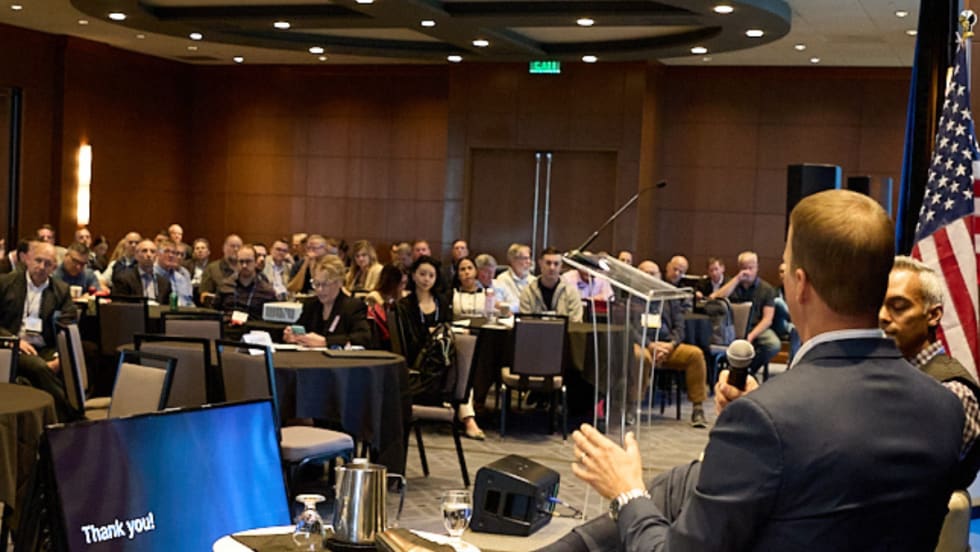
NETS Sets 2026 Fleet Safety Benchmark Conference for Indianapolis
The Sept. 15–17 program will feature fleet benchmarking data, case studies, emerging technologies, and implementation strategies while running alongside the NSC Safety Congress & Expo.
Read More →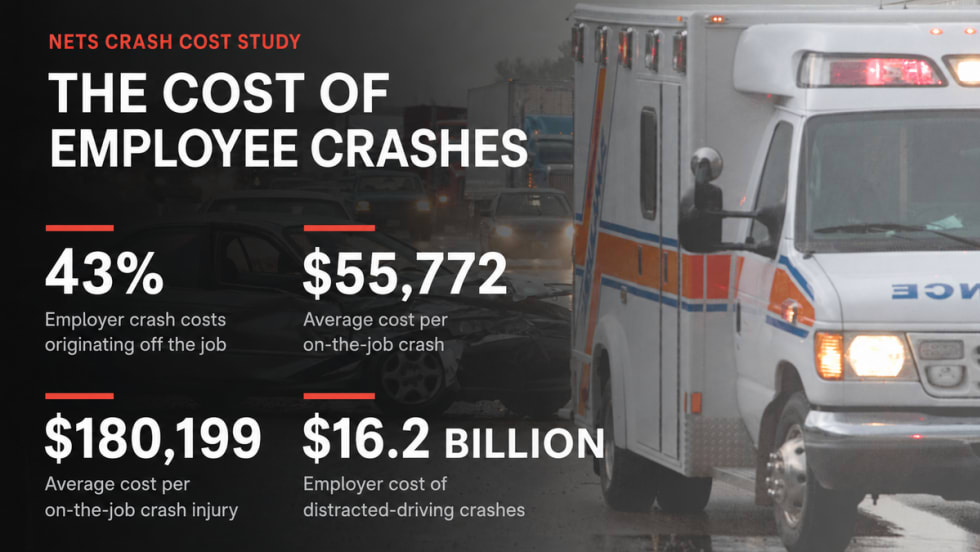
Off-the-Job Crashes Account for 43% of Employers’ $61.7 Billion Crash Burden
NETS quantifies costs dispersed across fleet, risk, HR, and other departments while providing new per-crash benchmarks for employers.
Read More →
Ram Recalls More Than 1.27 Million 1500 Pickups for Seat Belt Anchor Issue
The recall affects certain 2019-2026 Ram 1500 pickups that may have improperly attached second-row seat belt buckle anchors.
Read More →
How Better Visibility Cut Speeding Violations by 48%
Fleet leaders don't need more data, they need clearer visibility into what the data is saying. This case study explores how one utility replaced speeding-event counts with a single metric — miles driven in violation — to strengthen safety and significantly reduce speeding violations.
Read More →
Operation Safe Driver Week: Why the Industry's Oldest Safety Campaign Still Matters to Fleets
A look at how a 2007 enforcement initiative became one of the most consequential weeks on the fleet safety calendar, and what it means for your drivers in 2026.
Read More →
Nexar-Nauto Merger Aims to Give Fleets Better Safety Intelligence Through Larger Driving Dataset
Stefan Heck tells Automotive Fleet that combining more than 10 billion miles of driving history with Nexar's AI models will give fleets deeper insights into driver risk and roadway conditions than either company could provide independently.
Read More →
From Silos to Solutions: Relationship Management for Safer Fleets
From telematics adoption and driver accountability to policy consistency and risk mitigation, this episode breaks down what it really takes to build a safer fleet culture without slowing business down.
Read More →