




Washington Allows Mobile Fueling During Coronavirus Crisis
Demand for mobile fueling has shot up across the country as consumers observe shelter-in-place guidelines in response to the coronavirus crisis.
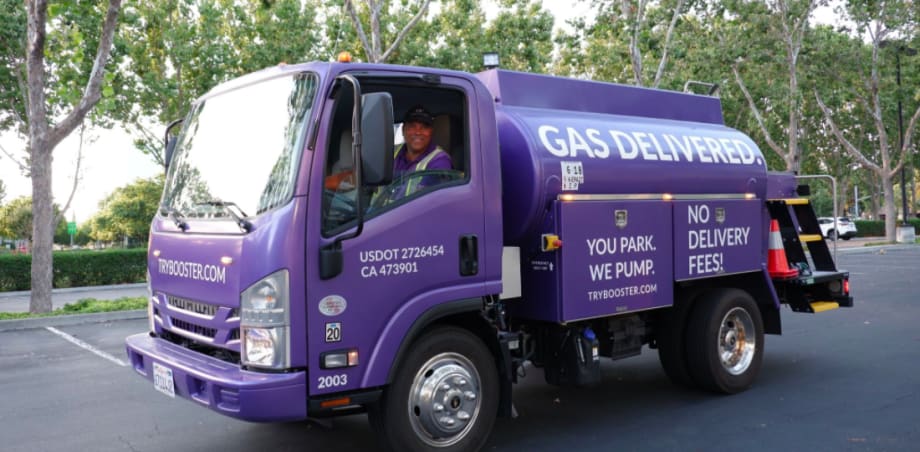
Booster delivers fuel in its signature purple mini-tankers directly into both fleet and consumer vehicles.
Screenshot via Booster.
Washington State has passed House Bill 2783, which will enable operations for the mobile fuel on-demand (MFOD) industry.
The bill, sponsored by Rep. Dan Griffey, provides for an expedited permitting process for MFOD services to operate in jurisdictions across the state while protecting industry safety standards. The bill results in a regulatory environment that reduces duplication for regulators, serves communities more efficiently, and upholds rigorous International Fire Code (IFC) safety requirements. The legislation affords industry operators the ability to respond quickly to urgent fueling needs related to the coronavirus response.
"I applaud Governor Inslee for the passage and Rep. Griffey for championing this legislation, an important step in providing on demand mobile fuel delivery across the state," Frank Mycroft, Booster Fuels CEO, said in a statement. "This is a rare example of industry and regulators working together towards a common-sense approach, and comes just in time to respond to a public health crisis.”
A clean, contactless gas station on wheels, Booster can provide its service at a time of increased need related to the coronavirus response.
Demand for mobile fueling has shot up across the country as consumers observe shelter-in-place guidelines in response to the coronavirus crisis. Considered an essential business service which helps companies continue to stay up and running, Booster services commercial fleet and retail customers.
“We support industry operators whose business models provide much-needed innovation while upholding important safety standards in our communities,” Jon Napier, state code director, for WA State Association of Fire Marshals, said in a statement. “Booster Fuels’ approach to on demand mobile fuel delivery does exactly that, especially in this time of critical need.”
This legislation follows four months after Booster launched its service, fully permitted, in Seattle. Booster delivers fuel in its signature purple mini-tankers directly into both fleet and consumer vehicles. With a flexible supply chain, Booster is able to respond to the ever-changing demands of today's Washington businesses while better serving the needs of disabled communities, who sometimes find it difficult to get fuel at traditional gas stations.
Booster has helped communities and first responders at critical times. During Hurricane Harvey, Booster helped fuel FEMA trucks and during the rolling blackouts last summer in Northern California, Booster filled generators at one of the large national science labs so years of research wouldn’t disappear.
Currently, purple mini-tankers are in Nashville delivering fuel to generators that power neighborhoods that still don’t have electricity after being destroyed from last month’s tornados.
Since launching in 2015, Booster’s proprietary purple mini-tanker has delivered more than 20 million gallons of fuel and works with more than 350 fleet customers in 20 cities across California, Texas, and Washington.
More Fleet Forward
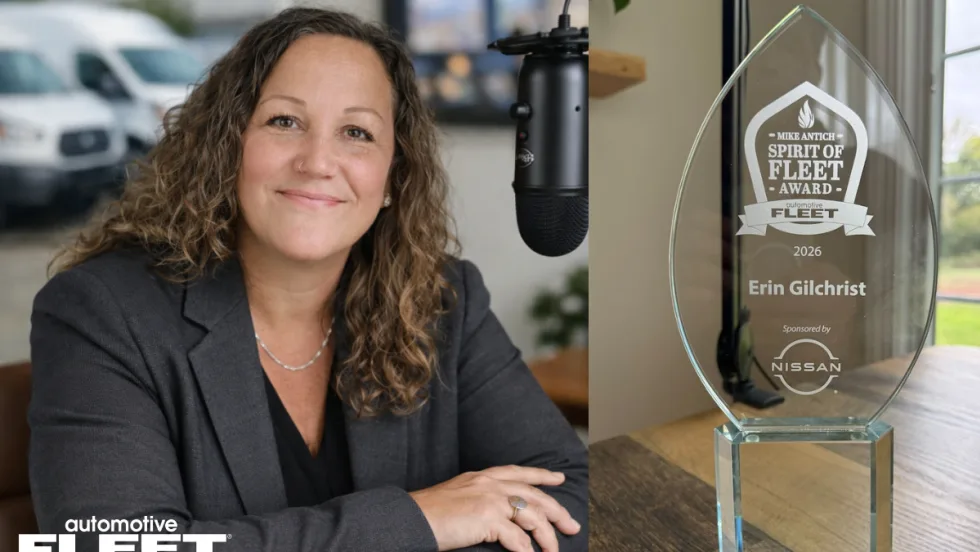
Erin Gilchrist Receives Mike Antich Spirit of Fleet Award
Last week at AFLA in Vegas, Erin Gilchrist received the inaugural, brand-new Spirit of Fleet Award.
Read More →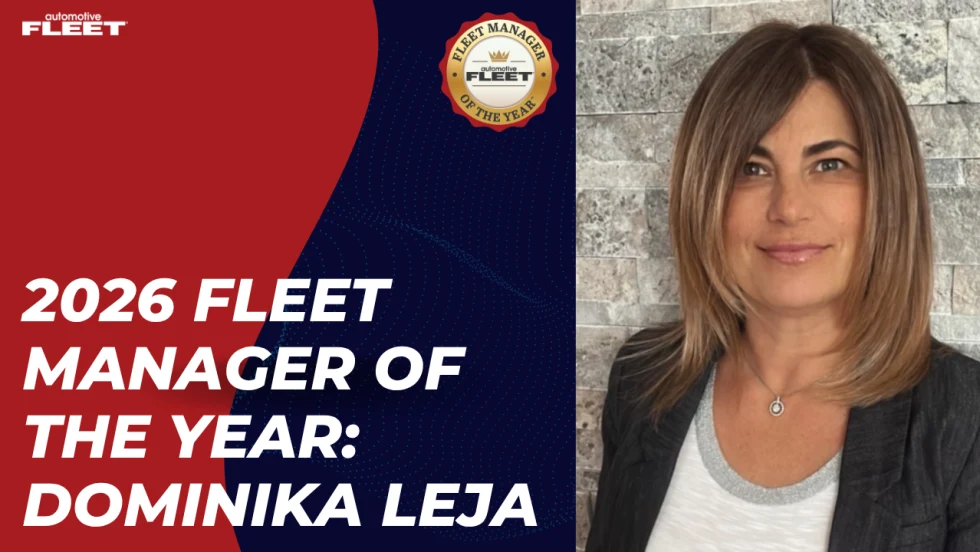
Dominika Leja Named the 2026 Fleet Manager of the Year
The AstraZeneca associate director of fleet was recognized for her leadership in fleet electrification, cost savings, and operational transformation.
Read More →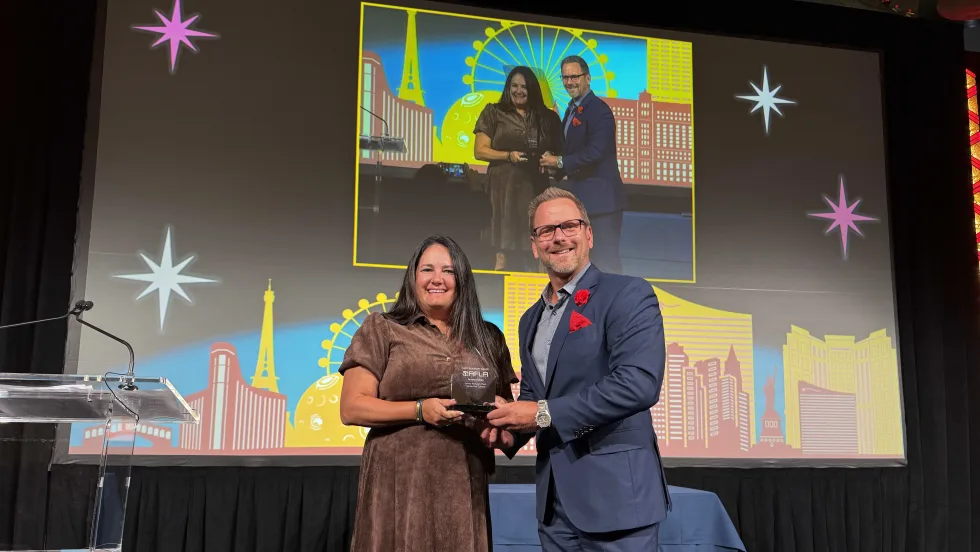
Jamie McKay Named the 2026 Fleet Visionary Award Winner
The Aptive Pest Control fleet manager was recognized for her approach to operations, data, lifecycle management, and driver needs.
Read More →
Fleet Forward Conference Introduces One-Day Passes for 2026
New one-day registration gives fleet professionals the flexibility to attend Tuesday, Wednesday, or Thursday, with passes available for $199 through Sept. 18.
Read More →
Vibe Coding: When Fleet Managers Become Software Builders
Five fleet professionals — none with programming skills — discuss how they’re using AI to build fleet solutions in-house and in a fraction of the time.
Read More →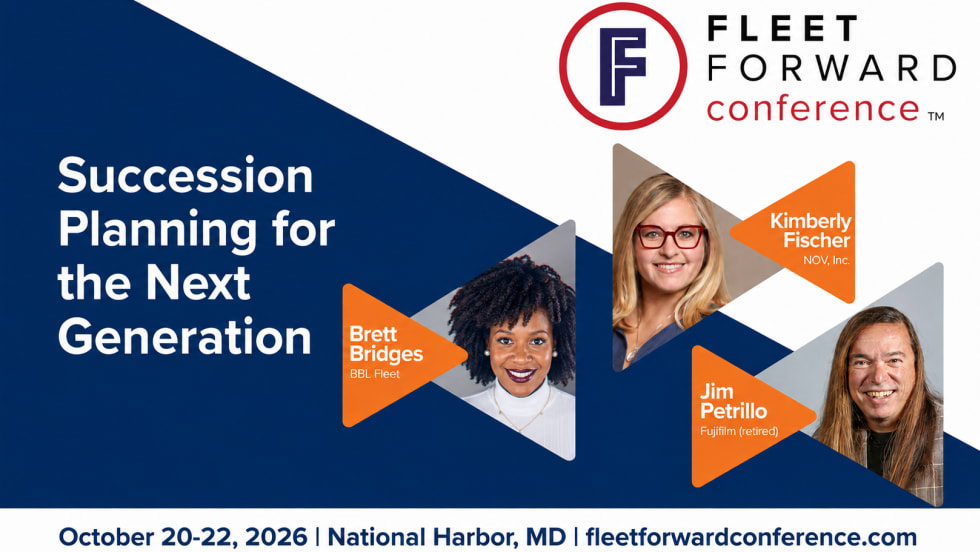
Fleet Forward Conference Tackles Fleet Industry’s Growing Leadership Gap
This session will examine succession planning, knowledge transfer, and the skills the next generation of fleet leaders will need as veteran professionals leave the industry.
Read More →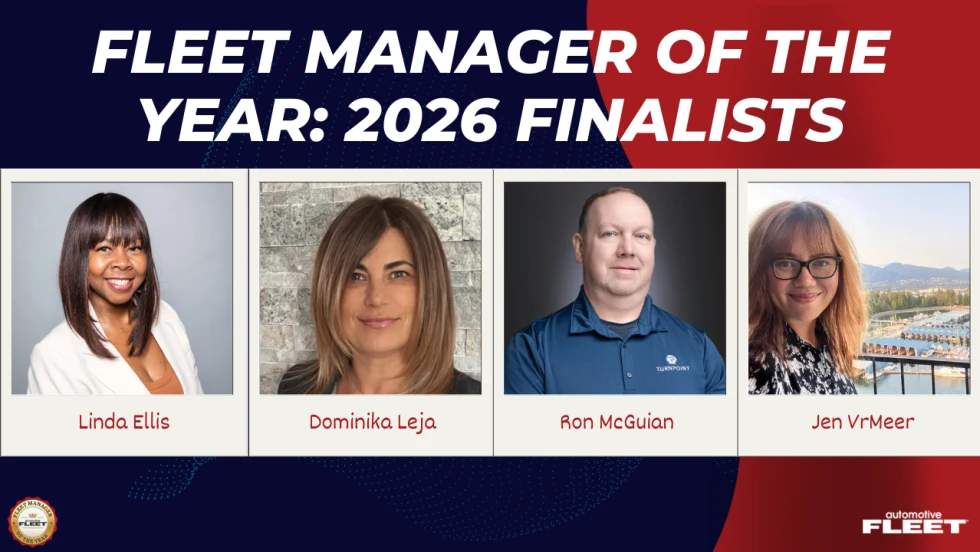
2026 Fleet Manager of the Year Finalists Announced
Who are the 2026 Fleet Manager of the Year finalists?
Read More →
John Rossant to Deliver Opening Keynote at 2026 Fleet Forward Conference
The CoMotion founder will draw on developments across Europe, China, the Middle East, and other international markets to identify trends that could influence how U.S. fleets plan for the coming decade.
Read More →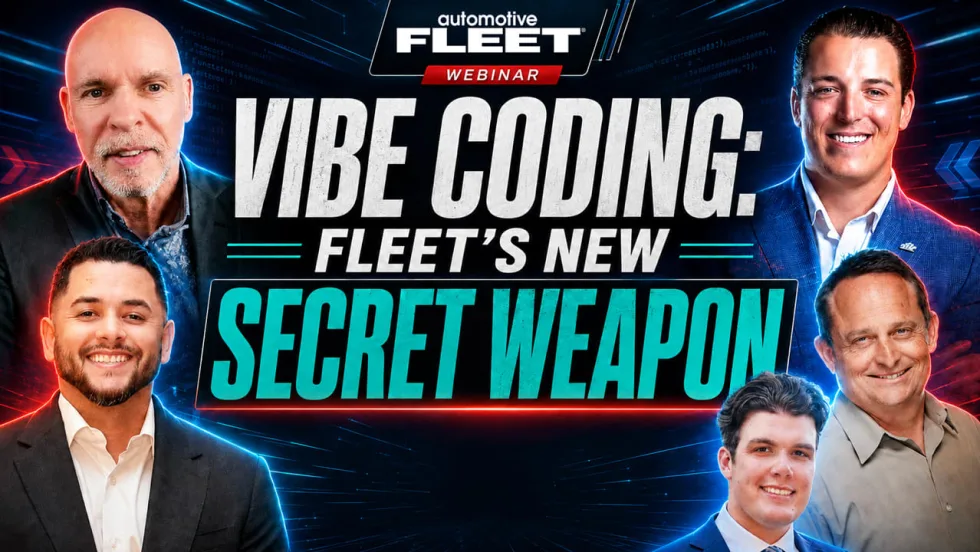
How to Build Custom Fleet Tools With AI and Vibe Coding [Webinar]
A new Automotive Fleet webinar explores how fleet managers are using AI and vibe coding to automate routine work and create simple operational tools without traditional programming skills.
Read More →