





Similar News: Arizona, New Mexico Get Best Grades on Ignition Interlock Laws
Voters Weigh in on Ignition Interlock Laws
A new survey from Sober Driving Solutions finds that 69% of American voters support laws requiring drunk drivers to install ignition interlock devices.
October 29, 2022
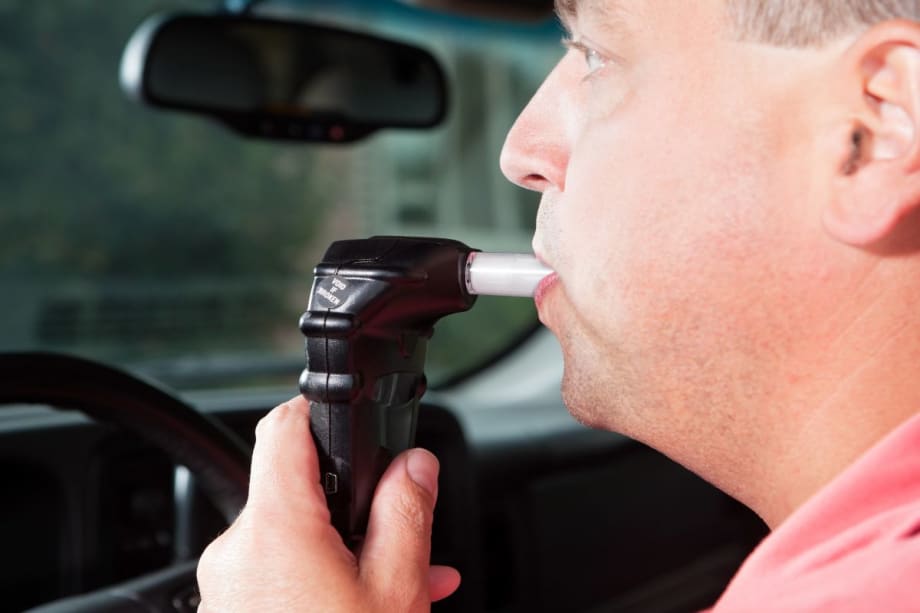
Every day, approximately 32 people in the U.S. die in drunk driving collisions. Safety advocates — and a majority of the public — support the use of ignition interlocks to keep drunk drivers off the streets.
Photo: Canva
2 min to read
A whopping 93% of American voters consider drunk driving a serious problem and 69% support laws requiring drunk drivers to install ignition interlock devices (IIDs), according to new survey findings from Sober Driving Solutions.
Moreover, 73% of voters said they would feel safer if drunk drivers were required to install an ignition interlock.
The broad public support for ignition interlocks comes at a time when the country has experienced a 14% increase in annual drunk driving deaths, notes the traffic safety coalition behind the survey. IIDs test a driver’s breath alcohol concentration before their vehicle starts. If the device detects an alcohol level greater than the legal limit, the engine will not start.
While all 50 states have an ignition interlock law in place, each state’s mandates are unique, and every case is different.
For example, several states require only certain drivers convicted of a second or repeat drunk driving charge to install an ignition interlock device. Other states require those with a first-time drunk driving conviction to get an ignition interlock if they had a certain blood alcohol concentration (BAC) level when they were arrested (typically over .10 or .15). Still other states require a period where an offender cannot drive at all.
These variations mean there is ample room for state and federal policymakers to expand the use of IIDs — a proven, effective, and available technology to combat impaired driving. Indeed, many safety advocates would like to see every state implement “all-offender laws” that require all first-time and subsequent offenders to install an interlock before they are allowed to get behind the wheel again after an impaired driving conviction.
This latest survey indicates that a large majority of the voting public agrees. The survey polled 1,825 registered voters nationwide. According to the findings, support for IID requirements for drunk driving offenders is demographically widespread, with overwhelming support coming from men and women, Republicans and Democrats, and all ethnicities and age groups.
Every day, approximately 32 people in the U.S. die in drunk driving collision. That translates to one person every 45 minutes, according the National Highway Traffic Safety Administration. In 2020 alone, 11,654 people lost their lives in alcohol-impaired traffic crashes — a 14% increase over 2019.
More Safety

What’s Next for Fleet? Safety, AI & Industry Recognition | AF News Recap
Could your company's culture be encouraging distracted driving? This week, we're exploring how workplace expectations affect driver safety, what AI, EVs, and autonomous vehicles could mean for the future of fleet management, and how fleet professionals can strengthen their award nominations.
Read More →
Does Your Fleet's Culture Encourage Distracted Driving?
What happens when the people responsible for enforcing safety rules are the ones setting the wrong example? The answer may reveal why some of the biggest risks to fleet drivers have little to do with what's written in the employee handbook.
Read More →
Sponsored•October 1, 2026
Fleet Manager’s Ultimate Playbook: Navigating the New Standard in OEM Connectivity
Rising operating costs, driver safety concerns, and unplanned downtime are putting unprecedented pressure on modern fleets. Discover how fleet managers use embedded OEM connectivity and real-time vehicle data to cut TCO, prevent downtime, and protect drivers without aftermarket telematics hardware.
Read More →
From Driver Well-Being to EV Charging | AF News Recap
Mental health belongs in the fleet safety conversation. This week, we’re looking at five ways fleets can support employee well-being before a crisis, plus Holman’s expansion in Mexico, new one-day Fleet Forward passes, and why EV charging demand is outpacing infrastructure growth.
Read More →
Nexar-Nauto Merger Aims to Give Fleets Better Safety Intelligence Through Larger Driving Dataset
Stefan Heck tells Automotive Fleet that combining more than 10 billion miles of driving history with Nexar's AI models will give fleets deeper insights into driver risk and roadway conditions than either company could provide independently.
Read More →
Don't Wait for a Crisis: 5 Ways to Build Mental Health Into Your Fleet Safety Program
For Suicide Prevention Month, fleet and safety leaders have an opportunity to put mental health where it belongs: at the center of workplace safety.
Read More →
How Camera Data Can Strengthen a Fleet’s Insurance Renewal
Insights from a commercial insurance carrier and a broker show how fleets can turn video telematic data, driver coaching, and improved claims results into a stronger case at insurance renewal.
Read More →
The Safest Fleets Aren’t the Ones with the Most Technology
You’ve made the telematics investment. Here’s how to capture the other half of its value and build the safest fleet on the road.
Read More →
Sponsored•August 7, 2026
Hidden in Plain Sight: Fleet Compliance Risks
Fleet compliance isn't just about having policies — it's about consistently enforcing them. This practical guide reveals six hidden compliance risks common in public sector and shared fleet operations and outlines proven strategies to improve visibility, accountability, and audit readiness
Read More →
NETS Sets 2026 Fleet Safety Benchmark Conference for Indianapolis
The Sept. 15–17 program will feature fleet benchmarking data, case studies, emerging technologies, and implementation strategies while running alongside the NSC Safety Congress & Expo.
Read More →