




Volvo Previews its Concept Coupe
Volvo recently previewed its Concept Coupe, which the automaker described as its first expressive interpretation of a new brand direction where design has an elevated strategic importance to deliver more emotion into the Volvo brand.
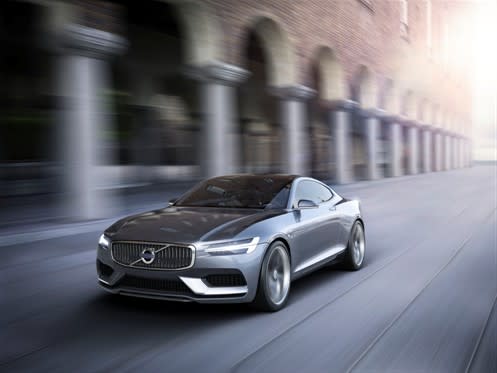
Volvo Concept Coupe
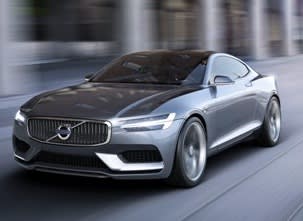
Volvo Concept Coupe
Volvo recently previewed its Concept Coupé, which the automaker described as its first expressive interpretation of a new brand direction where design has an elevated strategic importance to deliver more emotion into the Volvo brand.
“Our transformation plan includes a commitment to create a more premium vision of Volvo Cars. Releasing the emotional power of our human-centric design heritage is one of the key elements in this strategy,” said Alain Visser, senior vice president Marketing, Sales and Customer Service at Volvo Car Group. “A more premium image is vital to gain momentum in our journey towards an annual sales volume of 800,000 cars. It also supports our price position versus our main competitors in the premium segments.”
The introduction of the Volvo V40 in 2012 was the first step in this direction, Volvo said. The positive media and customer feedback emphasizes that Volvo Cars is running with the best in several important areas, including design. The upcoming introduction of the new scalable architecture enables the company to accelerate the transformation.
The Volvo Concept Coupé is the first of a series of three concept cars that demonstrate the design possibilities created by the new Scalable Product Architecture (SPA), according to automaker. They pave the way for the introduction of the all-new Volvo XC90 in 2014.
According to the automaker, the emotional aspect is also important when shaping the future of properties that are established Volvo territory among consumers:
Focus on safety has moved from offering protection in worst-case scenarios to creating features that support the driver and enhance the user experience.
Modern environmental care is able to combine low emissions and reduced fuel consumption with an enhanced driving experience – for instance though ingenious plug-in hybrid technology.
The classic functionality has moved beyond being practical. Volvo Cars’ approach is to create human-centric features that actually make today’s hectic life easier for the user.
More Operations

Why Reactive Fleet Management Is Becoming Too Expensive to Sustain
Research highlights a growing need for proactive management strategies to address rising costs in fleet operations effectively.
Read More →
What Your Fleet KPIs Aren’t Telling You
Tracking fleet metrics is only useful when the data leads to better decisions. This guide helps fleet leaders assess cost, utilization, and downtime more accurately, identify performance gaps, and prioritize the actions that can improve operational results.
Read More →
Hidden in Plain Sight: Fleet Compliance Risks
Fleet compliance isn't just about having policies — it's about consistently enforcing them. This practical guide reveals six hidden compliance risks common in public sector and shared fleet operations and outlines proven strategies to improve visibility, accountability, and audit readiness
Read More →


Turning Fleet Payment Data into Executive Insights
Does data alone drive results in operations?
Read More →
Automotive Fleet Opens 2026 Personal Use Survey for Commercial Fleet Managers
Commercial and corporate fleet managers are invited to share how their organizations handle company vehicle personal-use policies, charges, and driver eligibility.
Read More →
Gary Van Orden Retires After Nearly Four Decades in Commercial Fleet
From answering customer calls at Ford Motor Company to leading fleet sales across multiple OEMs and a fleet management company, Gary Van Orden's career reflects nearly four decades of leadership in commercial fleet.
Read More →
How Stellantis Plans to Get Ahead of Fleet Downtime
Vehicle acquisition may grab the headlines, but fleet uptime increasingly determines operating success. Darren Bradshaw of Mopar North America gives the details.
Read More →
Hyundai Releases 2027 Commercial Program Incentives
The 2027 Model Year "Fleet Street Incentives" are available to commercial and government fleets.
Read More →
It's All Downhill from Here! Fleet Industry Raises $22,000 for Skilled Trades Scholarships
Work Truck’s Lauren Fletcher and Automotive Fleet’s Chris Brown turned a friendly racing rivalry into $22,000 for automotive technology and skilled trades scholarships.
Read More →
The Top 300 Commercial Fleets
The Top 300 Commercial Fleets: See the List
Read More →