





Read More: Rural Road Fatalities Surpass 85,000 in Five-Year Period
U.S. Fatalities Skyrocket While Other Nations See Big Declines
In the last 30 years, the U.S. has not kept pace with declining traffic death rates in Europe, East Asia, and Canada. Find out why.
November 7, 2022
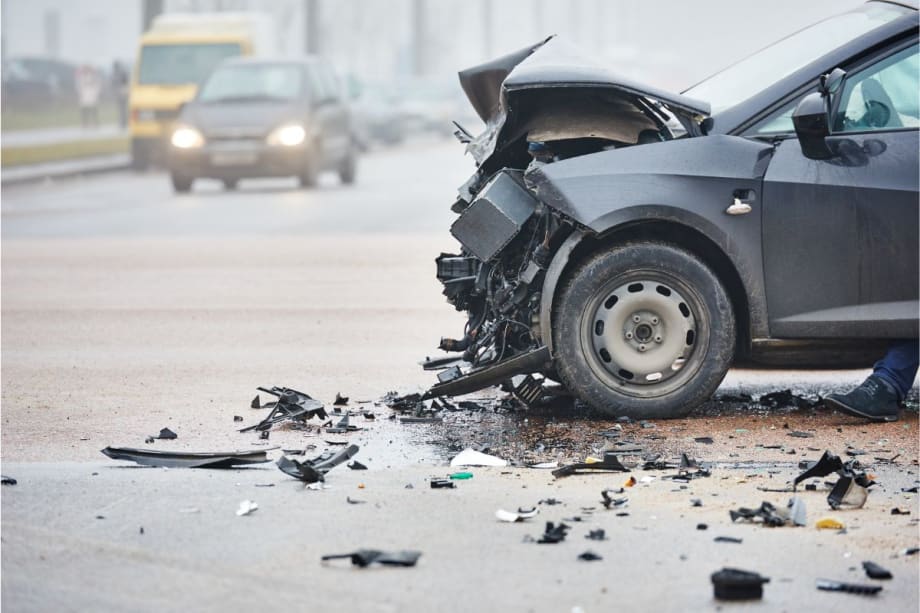
In 2021, the U.S. reached a 16-year high for roadway fatalities, while Japan and Norway posted the lowest number of road deaths since the 1940s.
Photo: Canva
3 min to read
The likelihood of dying in a motor vehicle crash in Canada is 60% lower than the same scenario in the United States, Bloomberg reports.
The report argues that the current U.S. traffic safety crisis is not a reflection of geography or culture, but rather due to the policy decisions that elevated fast car travel and automaker profits over roadway safety. Other countries made different choices and have far lower fatality rates.
History shows that we started out as safe as other modern countries. In the 1970s and 1980s, roadways across America and Western Europe got safer due to the adoption of seatbelts, airbags, and better vehicle design.
But in the last 30 years, the U.S. has not kept pace with declining traffic death rates in Europe, East Asia, and Canada. In 2021, as the U.S. reached a 16-year high for roadway fatalities, Japan and Norway posted the lowest number of road deaths since the 1940s, notes Bloomberg.
When it comes to protecting vulnerable road users — pedestrians, cyclists, scooters, and more — the U.S. is an abject failure. From 2010-2018, for example, pedestrian deaths in the U.S. rose over 40%. That’s more than twice the pace of any other member country — most of which saw a decline.
The Bloomberg report explores several trends that account for why the U.S. is a safety laggard.
Infrastructure and urban planning make a difference. For example, Europe has created many more car-free and car-light urban neighborhoods than the U.S. Since motor vehicles play a role in virtually all roadway deaths, their removal from the urban core is a big boost for safety.
In addition, safe infrastructure enhancements like roundabouts and road diets have been adopted more readily abroad.
Technology plays a role, too. Canada and France have embraced automatic traffic cameras to deter speeding and red light running. But these devices are banned in many U.S. states.
Car regulations vary as well. Regulations have grown stricter in the European Union, for example, where pedestrian safety tests were added to NCAP crash ratings over two decades ago, notes the report. Today, Japan, China, and Australia conduct them as well.
Then there is the matter of the actual vehicles you’ll encounter on any given road. In the U.S. larger SUVs and pickups dominate the domestic car market. While the profitability of this trend has delighted automakers, says the Bloomberg report, the weight and height of these vehicles places other road users in greater danger. Moreover, research links the uptick in SUVs to the surge in pedestrian deaths in the U.S.
The bottom line of these concurrent trends is that U.S. citizens are now at a much higher risk of dying in a collision than people in other rich nations.
So what lessons can be learned from other countries that have a better track record at saving lives on their roadways?
In Helsinki, where crash fatalities have plummeted dramatically, the city credits simply focusing on slowing cars down. France has restricted vehicles from many urban areas over the last 30 years and this has made a difference. And Japan bans overnight street parking so that pedestrians and cyclists are more visible to drivers.
Many of the best solutions appear to be quite simple, reports Bloomberg. Build slower streets. Be sure and swift when it comes to penalizing reckless drivers. Use regulations and taxes — on vehicle weight as well as fuel — to nudge the car industry toward smaller, safer models.
In the U.S., an estimated 42,915 people died in motor vehicle traffic crashes in 2021, a 10.5% increase from the 38,824 fatalities in 2020, according to the National Highway Traffic Safety Administration.
More Safety

What’s Next for Fleet? Safety, AI & Industry Recognition | AF News Recap
Could your company's culture be encouraging distracted driving? This week, we're exploring how workplace expectations affect driver safety, what AI, EVs, and autonomous vehicles could mean for the future of fleet management, and how fleet professionals can strengthen their award nominations.
Read More →
Does Your Fleet's Culture Encourage Distracted Driving?
What happens when the people responsible for enforcing safety rules are the ones setting the wrong example? The answer may reveal why some of the biggest risks to fleet drivers have little to do with what's written in the employee handbook.
Read More →
Sponsored•October 1, 2026
Fleet Manager’s Ultimate Playbook: Navigating the New Standard in OEM Connectivity
Rising operating costs, driver safety concerns, and unplanned downtime are putting unprecedented pressure on modern fleets. Discover how fleet managers use embedded OEM connectivity and real-time vehicle data to cut TCO, prevent downtime, and protect drivers without aftermarket telematics hardware.
Read More →
From Driver Well-Being to EV Charging | AF News Recap
Mental health belongs in the fleet safety conversation. This week, we’re looking at five ways fleets can support employee well-being before a crisis, plus Holman’s expansion in Mexico, new one-day Fleet Forward passes, and why EV charging demand is outpacing infrastructure growth.
Read More →
Nexar-Nauto Merger Aims to Give Fleets Better Safety Intelligence Through Larger Driving Dataset
Stefan Heck tells Automotive Fleet that combining more than 10 billion miles of driving history with Nexar's AI models will give fleets deeper insights into driver risk and roadway conditions than either company could provide independently.
Read More →
Don't Wait for a Crisis: 5 Ways to Build Mental Health Into Your Fleet Safety Program
For Suicide Prevention Month, fleet and safety leaders have an opportunity to put mental health where it belongs: at the center of workplace safety.
Read More →
How Camera Data Can Strengthen a Fleet’s Insurance Renewal
Insights from a commercial insurance carrier and a broker show how fleets can turn video telematic data, driver coaching, and improved claims results into a stronger case at insurance renewal.
Read More →
The Safest Fleets Aren’t the Ones with the Most Technology
You’ve made the telematics investment. Here’s how to capture the other half of its value and build the safest fleet on the road.
Read More →
Sponsored•August 7, 2026
Hidden in Plain Sight: Fleet Compliance Risks
Fleet compliance isn't just about having policies — it's about consistently enforcing them. This practical guide reveals six hidden compliance risks common in public sector and shared fleet operations and outlines proven strategies to improve visibility, accountability, and audit readiness
Read More →
NETS Sets 2026 Fleet Safety Benchmark Conference for Indianapolis
The Sept. 15–17 program will feature fleet benchmarking data, case studies, emerging technologies, and implementation strategies while running alongside the NSC Safety Congress & Expo.
Read More →