




WASHINGTON, D.C. --- U.S. Transportation Secretary Mary E. Peters announced plans to make electronic stability control (ESC)standard equipment on every new passenger vehicle sold in America by 2012. Peters and National Highway Traffic Safety Administrator Nicole R. Nason announced the final rule to require ESC on all new passenger vehicles during a tour with automakers at the New York International Auto Show. ESC uses automatic computer-controlled braking to keep drivers from losing control on slippery roads or in emergency maneuvers. In many cases, ESC can prevent deadly rollovers from occurring. "This technology will save thousands of lives. Like airbags and seat belts, 10 years down the road we will look back at the new ESC technology and wonder how we ever drove a car without it," Peters said. "ESC technology will put the brakes on crashes and help drivers keep control of their cars in critical situations," added Nason. "ESC works, it will save lives, and it can give American drivers and passengers the peace of mind that comes from knowing their vehicles have some of the most technologically advanced safety equipment available." The final rule will require all manufacturers to begin equipping passenger vehicles with ESC starting with model year 2009, and to have the feature available as standard equipment on all new passenger vehicles by the 2012 model year (September 2011). The agency estimates ESC will save between 5,300 and 9,600 lives annually and prevent between 168,000 and 238,000 injuries. The estimated average cost of ESC is approximately $111 per vehicle, assuming the model already features ABS brakes. A copy of the final regulation and the accompanying regulatory analysis can obtained at http://www.safercar.gov/esc/Rule.pdf.
Transportation Secretary Promotes Electronic Stability Control Technology
WASHINGTON, D.C. --- U.S. Transportation Secretary Mary E. Peters announced plans to make electronic stability control (ESC)standard equipment on every new passenger vehicle sold in America by 2012.
More Safety
How Coca-Cola United Protects Its Fleet from Growing Legal Risk
As litigation risk rises, vehicles are increasingly targeted. This Coca-Cola bottler shares how it’s reducing exposure through driver training, technology, and a proactive risk management approach.
Read More →
How to Speak the Same Language on Fleet Safety
Drivers, supervisors, and data often speak different safety “languages.” Getting on the same page will drive better results.
Read More →
Fleet Cybersecurity 101: What You Need from Your Technology Vendors
From identity management to third-party certifications, the right technology partner should make security easier to manage. Here are the three building blocks that fleet managers need to stay in control as connected systems scale.
Read More →
Reducing Risk by Eliminating Phone Use Behind the Wheel
Distracted driving remains one of the most persistent risks in fleet operations. New approaches focus on removing mobile device use entirely while adding real-time safety support.
Read More →
Distracted Driving in the Age of Smart Tech – Part 2
As distraction risks evolve, fleets are turning to smarter, more connected technologies to better understand what’s happening behind the wheel. Part 2 explores how these tools are helping identify risky behaviors and improve visibility across operations.
Read More →
Data Rights, Risks, and Responsibilities After a Crash
What fleets capture to improve safety can also expose them in litigation, forcing leaders to rethink how data is managed, stored, and shared.
Read More →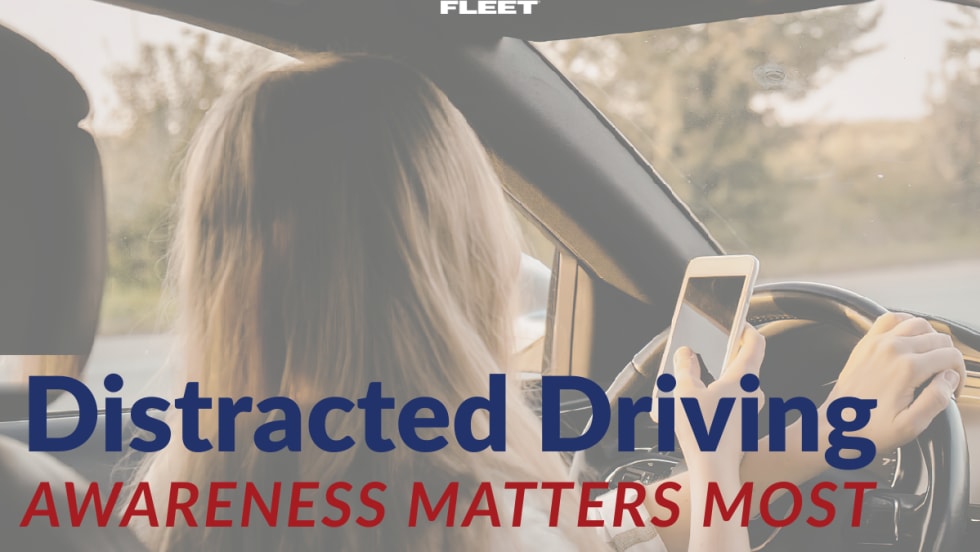
From Distraction to Detection: Strengthening Awareness in Fleet Drivers
Distracted driving is often measured by what we can see—phones in hand, eyes off the road. But what about the distractions we can’t? A recent incident raises a bigger question about awareness, attention, and why subtle risks so often go unnoticed.
Read More →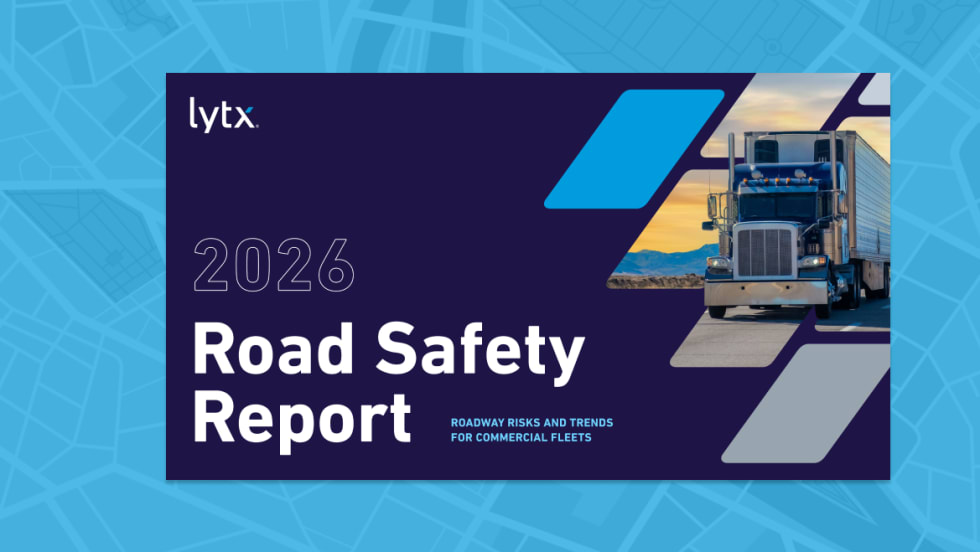
Lytx 2026 Road Safety Report
While serious crashes are declining, a rise in minor incidents and ongoing risk hotspots underscore the need for continued fleet safety investment.
Read More →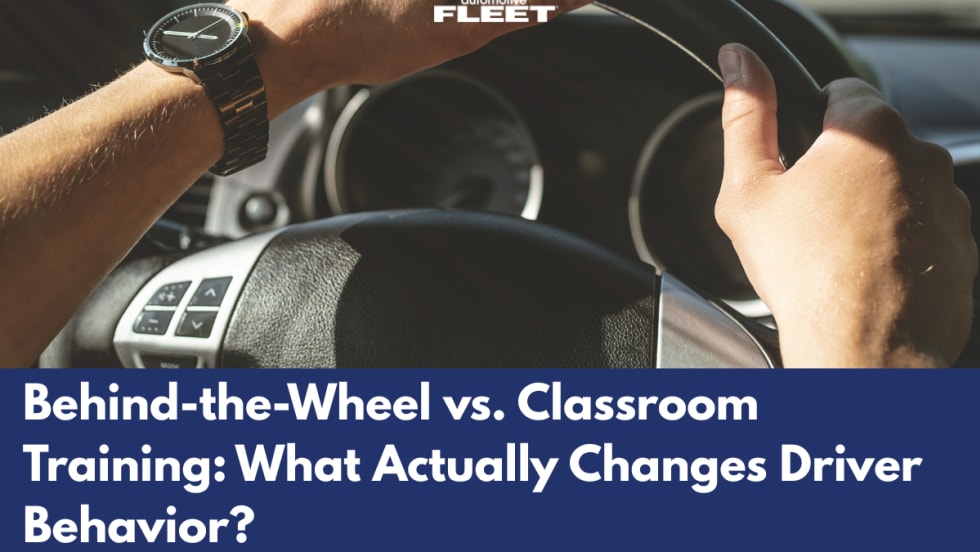
Behind-the-Wheel vs. Classroom Training: What Actually Changes Driver Behavior?
Fleets have more driver data than ever, so why isn't behavior changing? Training requires more than reports and coaching — it requires real-world practice.
Read More →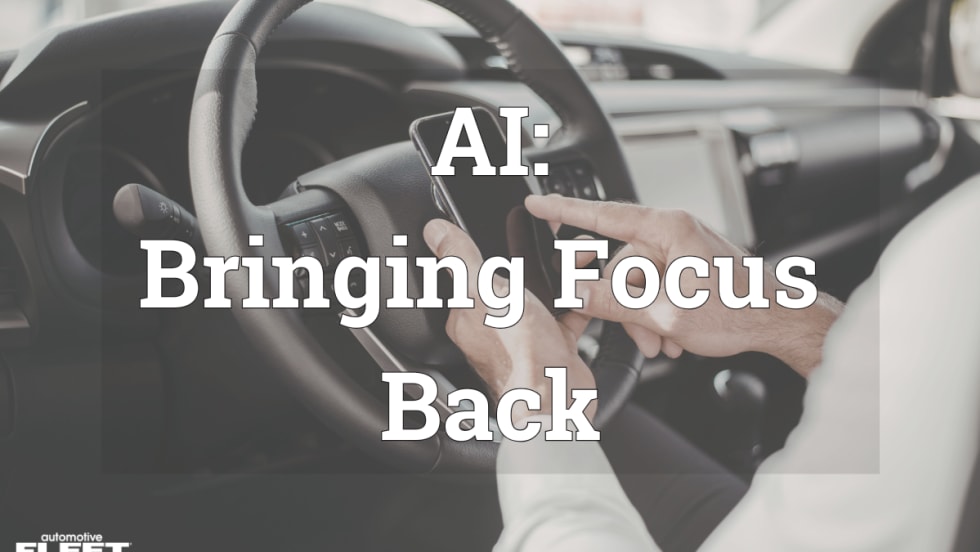
Distracted Driving in the Age of Smart Tech – Part 1
A two-part conversation with Stefan Heck on how AI is transforming the fight against distracted driving. As fleets adopt smarter tools, the focus shifts from reacting to preventing risk. In Part 1, we look at where AI is making an impact for fleets today.
Read More →